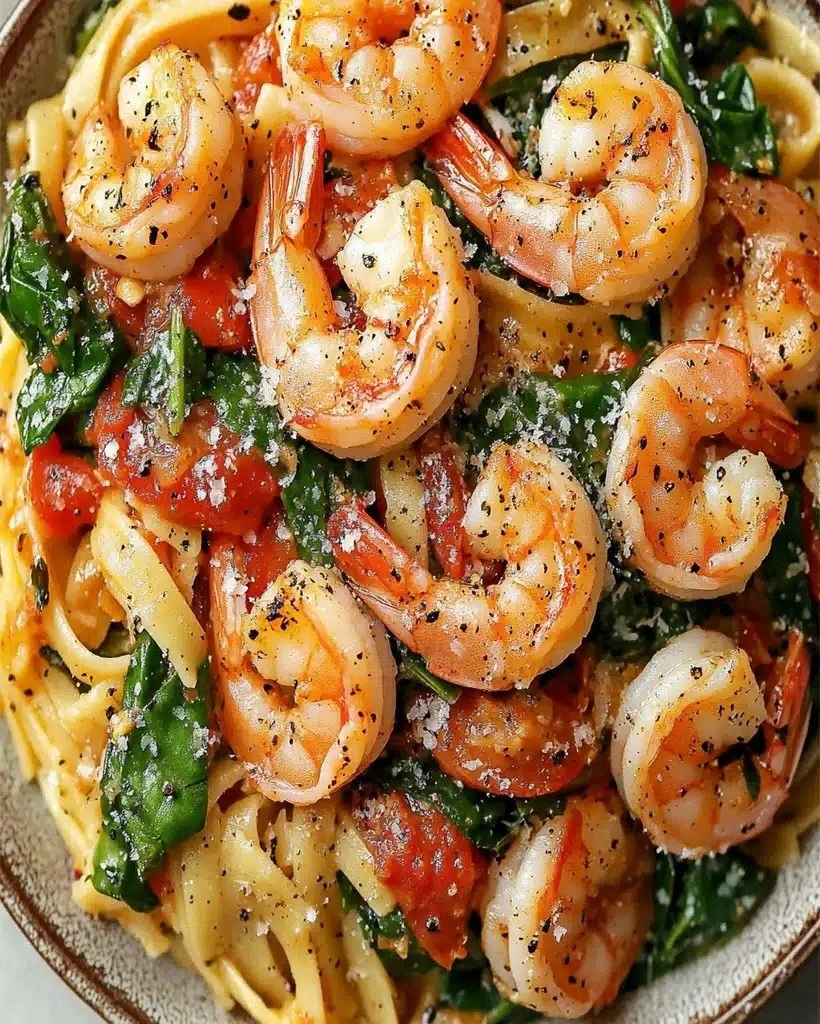
Picture this: It's 7:43 p.m., your stomach's staging a protest worthy of a Broadway musical, and the only thing in your fridge is a half-empty jar of marinara and some wilting spinach that looks like it gave up on life three days ago. Most people would surrender to takeout. I turned that culinary tragedy into the pasta equivalent of finding a twenty in old jeans — a tomato spinach shrimp situation so ridiculously good that my neighbor banged on the wall to ask what smelled like Heaven's cafeteria. This isn't just another weeknight pasta; it's the dish that made my pasta-snob Italian grandmother request the recipe, and she hasn't asked for a recipe since 1987.
The magic starts when you realize that shrimp, those little pink rockets of the sea, can go from rubbery disappointment to tender perfection in the time it takes your pasta water to boil. Most recipes murder them into submission, but we're going to treat them like the delicate treasures they are. The tomatoes aren't just there for color — they're going to create this glossy, ruby sauce that clings to every noodle like it's auditioning for a cooking show. And that spinach? It's not a sad afterthought; it's the green that brings everything together, wilting just enough to become silk without turning into that gray mush your cafeteria used to serve.
I discovered this combination during what I call "The Great Pantry Challenge of 2020," when grocery shopping felt like planning a moon mission. What started as desperation became obsession — I've made this dish forty-seven times since then, tweaking and perfecting until I could do it blindfolded with one hand while arguing about whether pineapple belongs on pizza (it does, fight me). The first time I served it to friends, they literally scraped the pot clean with bread, and I caught my best friend sneaking seconds at 2 a.m. like a pasta-hungry raccoon.
Here's what makes this version different: we're building flavors like we're constructing a flavor skyscraper, layer by layer, until you get this incredible depth that tastes like you've been simmering for hours when it's really been twenty minutes. The shrimp get this perfect sear that creates these caramelized edges that shatter like thin ice, while staying buttery inside. The sauce reduces until it coats your spoon like velvet, and the spinach adds this fresh, almost sweet note that makes the whole thing taste like spring decided to throw a party in your mouth. Let me walk you through every single step — by the end, you'll wonder how you ever made it any other way.
What Makes This Version Stand Out
Lightning-Fast: From fridge to face in twenty-five minutes flat. While your pasta boils, everything else happens in one pan. This isn't one of those recipes that claims to be quick but secretly requires a culinary degree and three hours of prep. We're talking actual, real-world speed here — the kind of fast that makes weeknight cooking feel like a superpower.
One-Pan Wonder: Everything except the pasta happens in a single skillet. That means fewer dishes than a takeout container collection, and cleanup so easy you'll actually volunteer to do it. The shrimp cook first, then the sauce builds in the same pan, picking up all those gorgeous brown bits that chefs call "fond" but I call "flavor gold."
Restaurant-Quality Sauce: We're creating an emulsion that would make a French chef weep with joy. The starchy pasta water meets the tomato base and transforms into this glossy coating that makes every noodle shine like it's been professionally photographed. It's the difference between watery disappointment and sauce that actually sticks around for the whole meal.
Shrimp Perfection: Most home cooks murder shrimp into rubbery submission. We're using a technique that keeps them plump and tender, with crispy edges that add texture without turning them into seafood chewing gum. The secret is all in the timing — pull them early, let them finish in the sauce.
Healthy Without Trying: This dish clocks in under 400 calories per serving while tasting like something that should be illegal on most diets. The spinach adds nutrients without tasting like lawn clippings, the tomatoes bring antioxidants, and the shrimp deliver lean protein that keeps you full until breakfast.
Crowd-Pleasing Magic: Kids think it's fancy restaurant food, adults appreciate the sophisticated flavors, and even that friend who claims to hate vegetables inhales the spinach without complaint. It's the culinary equivalent of a hit song — everyone loves it, nobody knows why, nobody cares.
Make-Ahead Friendly: The sauce actually improves overnight, and you can prep everything on Sunday for lightning-fast assembly during the week. The flavors meld and deepen, making leftovers something you'll actually look forward to rather than tolerate.
Inside the Ingredient List
The Flavor Foundation
Extra-virgin olive oil is your first building block, and don't you dare reach for that three-year-old bottle hiding behind the vinegar. Fresh, peppery olive oil makes the difference between "meh" and "whoa," creating a flavor base that carries through the entire dish. You want something that makes your throat tingle slightly when you taste it — that's the sign of quality. Heat it until it shimmers but doesn't smoke; we're flavor-building here, not setting off fire alarms.
Garlic is the aromatic backbone that makes everything taste like you know what you're doing. Use fresh cloves, not that pre-minced stuff floating in oil that tastes like disappointment. Smash them with the flat of your knife first — it releases the oils and makes them easier to peel. Watch them like a hawk once they hit the pan; garlic goes from fragrant to bitter faster than a celebrity's reputation.
The Protein Powerhouse
Raw, peeled, deveined shrimp are your ticket to protein paradise. Size 31-40 per pound hits the sweet spot — big enough to stay juicy, small enough to cook quickly. They should smell like the ocean on a good day, not like low tide at a fish market. Pat them absolutely dry with paper towels before cooking; moisture is the enemy of that gorgeous sear we're after.
If you're working with frozen shrimp, let them thaw in the fridge overnight or under cold running water for 15 minutes. Never use warm water — it starts cooking them unevenly and creates that weird rubbery texture that gives shrimp a bad reputation. Once they're thawed, treat them like fresh and never refreeze.
The Vegetable Virtuosos
Cherry tomatoes burst with sweetness when they hit hot oil, creating little pockets of sunshine in your sauce. Look for ones that still have their green stems attached — it's a sign they're fresh enough to actually taste like tomatoes instead of red water balloons. If you can only find sad winter tomatoes, grab a can of good San Marzano tomatoes instead; they're picked ripe and taste like summer in February.
Baby spinach wilts down to almost nothing, adding nutrients without bulk. Buy it fresh, not that pre-washed stuff that's been sitting in a plastic coffin for weeks. It should smell green and earthy, not like plastic. Don't worry about removing stems — they're tender and add texture. The key is adding it at the very end so it stays vibrant instead of turning army-green and sad.
The Pasta Partners
Linguine or fettuccine are your best bets here — wide enough to grab the sauce, but not so thick they overwhelm the delicate shrimp. Don't break your pasta in half; that's against Italian law and also makes it impossible to twirl properly. Salt your water until it tastes like the Mediterranean Sea; under-salted pasta water is the silent killer of good pasta dishes everywhere.
Parmesan cheese adds that umami depth that makes people ask "what's in this?" Use the real stuff from Italy, not the powder in a green can that tastes like salty sawdust. A microplane grater turns it into snow that melts instantly into the sauce, creating creaminess without actual cream. Save the rind in your freezer for soup — it's pure gold.
The Method — Step by Step
- Start your pasta water first — always. Fill your biggest pot with water, add enough salt to make it taste like the ocean, and bring it to a rolling boil. While you're waiting, pat those shrimp absolutely dry with paper towels. I mean bone-dry. Any moisture will steam them instead of searing, and we'll end up with sad, rubbery seafood instead of crispy-edged perfection. Season them simply with salt and pepper — this isn't the time for a spice parade.
- Heat a large skillet over medium-high heat until a drop of water dances across the surface. Add two tablespoons of olive oil and swirl to coat. When the oil shimmers like a mirage, lay your shrimp in a single layer and don't touch them for 90 seconds. I know it's tempting, but step away from the spatula. That sizzle when they hit the pan? Absolute perfection. You're creating a golden crust that adds incredible flavor.
- After 90 seconds, flip each shrimp — they should release easily from the pan. If they're sticking, they're not ready. Cook another 60-90 seconds on the second side until they're just pink and curled into gentle C-shapes. Overcooked shrimp curl into tight O-shapes and bounce like rubber balls. Remove them to a plate immediately; they'll finish cooking later in the sauce.
- Don't you dare wash that pan — those brown bits are flavor gold. Reduce heat to medium and add another tablespoon of oil. Toss in your minced garlic and let it dance for 30 seconds until fragrant but not brown. Add your cherry tomatoes and let them cook undisturbed for 2 minutes. They'll start to blister and burst, releasing their sweet juices. Give them a gentle stir and cook another 3-4 minutes until they create a chunky sauce.
- Your pasta should be cooking now — follow package directions for al dente, but start tasting 2 minutes before the suggested time. Before draining, ladle out a cup of that starchy pasta water. It's going to transform your sauce from thin and watery to glossy and restaurant-worthy. The starch helps the sauce cling to every noodle like it has abandonment issues.
- Add half your pasta water to the tomato mixture and let it simmer. The sauce should start looking glossy and slightly thickened. Add your cooked pasta directly from the pot to the sauce using tongs — don't drain it first. The pasta brings enough water to loosen the sauce without making it soupy. Toss everything together for 30 seconds, adding more pasta water if it looks dry.
- Add your spinach by the handful, tossing after each addition. It wilts almost instantly, turning bright green and silky. Don't overcook it — you want it vibrant, not army-green and sad. Return your shrimp to the pan along with any juices from the plate. Toss everything together for 30 seconds to rewarm the shrimp without overcooking them.
- Remove from heat and add your grated Parmesan, tossing until it melts into the sauce. Taste and adjust with salt and pepper — remember the pasta water and cheese add saltiness, so taste before adding more. Serve immediately in warm bowls, topped with extra Parmesan and a drizzle of good olive oil. The whole process takes about 25 minutes, and I dare you to taste this and not go back for seconds.
That's it — you did it. But hold on, I've got a few more tricks that'll take this to another level...
Insider Tricks for Flawless Results
The Temperature Rule Nobody Follows
Your pan needs to be hot enough to sear but not so hot it burns the garlic. Think medium-high, not surface-of-the-sun hot. If your oil smokes immediately, it's too hot — remove from heat and let it cool for 30 seconds. The shrimp should sizzle when they hit the pan but not spatter oil everywhere. Getting this right is the difference between golden-brown perfection and blackened disappointment that sets off every smoke detector in your apartment building.
Why Your Nose Knows Best
Garlic tells you when it's ready — it'll smell fragrant and slightly sweet, not sharp and acrid. If it starts to brown, you've gone too far and it will taste bitter. Tomatoes are ready when they start to burst and release their juices, creating a sauce that smells like summer in Italy. Trust your senses more than the clock — every stove and pan is different, but your nose and eyes work the same everywhere.
The 5-Minute Rest That Changes Everything
After you finish cooking, let the pasta rest off heat for 5 minutes before serving. This allows the sauce to thicken slightly and the flavors to meld. The pasta absorbs just enough sauce to become perfectly coated without being dry. It's like letting a steak rest — patience pays off in better texture and deeper flavor. Use this time to set the table, pour wine, or just breathe in the incredible smell you've created.
The Pasta Water Sweet Spot
Start with half the pasta water you think you need — you can always add more but you can't take it out. The sauce should coat the back of a spoon but still be loose enough to pool slightly. If it looks too thick, add water a tablespoon at a time. Too thin? Let it simmer for 30 seconds. The sauce will continue to thicken slightly as it cools, so err on the looser side.
Creative Twists and Variations
This recipe is a playground. Here are some of my favorite ways to switch things up:
The Spicy Sensation
Add a pinch of red pepper flakes with the garlic for gentle heat, or go wild with Calabrian chili paste for serious spice. The sweetness of the tomatoes balances the heat perfectly, creating that sweet-spicy dance that keeps you coming back for more. My spice-loving friend adds so much heat her version could double as a sinus cleanser, but she swears it's worth the tears.
The Coastal Upgrade
Toss in some clams or mussels during the tomato cooking stage for a seafood medley that tastes like vacation. Add them after the tomatoes start bursting, cover the pan, and let them steam open — discard any that don't open. The briny juices add incredible depth, and suddenly you're eating like you're on the Amalfi Coast instead of in your tiny kitchen.
The Creamy Dream
Stir in a splash of heavy cream at the end for a rosé-style sauce that tastes incredibly indulgent. Just two tablespoons transform the whole dish into something that feels restaurant-fancy. The cream tempers the acidity of the tomatoes and creates this gorgeous pink color that makes everyone ask for your secret. Pro tip: use room-temperature cream to prevent curdling.
The Veggie Powerhouse
Add zucchini ribbons or mushrooms with the tomatoes for extra vegetables that don't taste like punishment. The zucchini cooks quickly and adds a delicate flavor, while mushrooms bring earthiness that plays beautifully with the sweet tomatoes. My health-nut cousin adds so many vegetables it barely counts as pasta, but somehow it still works.
The Protein Swap
Replace shrimp with scallops for an even more luxurious version, or use chicken breast cut into bite-sized pieces if seafood isn't your thing. Scallops need the same high-heat treatment for that gorgeous sear, while chicken needs a few extra minutes to cook through. Both absorb the sauce beautifully and create completely different but equally delicious results.
The Herb Garden
Fresh basil added at the end brings brightness, or try oregano for a more robust flavor. Parsley adds freshness without overwhelming, and a little fresh thyme with the tomatoes creates incredible depth. Mix and match based on what you have growing or what looks fresh at the store. Dried herbs work in a pinch but add them earlier so they can bloom in the oil.
Storing and Bringing It Back to Life
Fridge Storage
Store leftovers in an airtight container for up to 3 days, though honestly, it's never lasted that long in my house. The pasta will absorb more sauce as it sits, so it might look dry when you open the container. Don't panic — that's totally normal and easily fixed. Let it cool completely before refrigerating to prevent condensation that makes everything soggy and sad.
Freezer Friendly
This dish freezes surprisingly well for up to 2 months, though the texture of the shrimp changes slightly. Freeze in individual portions for easy reheating, and consider undercooking the pasta slightly if you plan to freeze. Thaw overnight in the fridge rather than using the microwave defrost setting, which can turn shrimp rubbery and make vegetables mushy.
Best Reheating Method
Reheat gently in a skillet with a splash of water or broth — never the microwave unless you enjoy rubber shrimp. Add a tablespoon of liquid per serving, cover, and heat over medium-low, stirring occasionally. The water creates steam that gently warms everything without overcooking. Add a fresh handful of spinach and a sprinkle of Parmesan to perk everything up and make it taste freshly made.