Picture this: I’m juggling a half‑finished quinoa bowl, a stubborn blender that decides to sputter, and a phone alarm screaming “lunch is late!” while my roommate smugly claims she can whip up a salad dressing in five minutes. I rolled my eyes, grabbed the nearest jar of honey, and squeezed a lemon that looked like it was auditioning for a citrus commercial. The kitchen filled with a bright, zesty perfume that instantly cut through the chaos, and in that moment I realized I had stumbled onto something that could turn any wilted lettuce into a masterpiece. I dared myself to create a vinaigrette that didn’t just sit on top of the greens but actually *danced* with them, and after a few frantic taste tests (and a secret midnight nibble of the batch), I finally nailed it.
The first bite was an explosion of sweet‑tart fireworks, the kind you’d expect from a summer fireworks show but happening on your tongue. The honey’s golden richness hugged the lemon’s citrus snap, while a whisper of mustard added depth that made the dressing feel like a well‑written novel—each paragraph (or ingredient) building on the last. I could hear the salad leaves rustle as the vinaigrette swirled, feel the coolness of the bowl against my palm, and taste the bright, clean finish that lingered just long enough to make me want another forkful. I’m not exaggerating when I say this sauce coats the greens like silk, and every bite feels like a mini‑vacation to a sun‑kissed orchard.
Most vinaigrette recipes either drown your salad in oil or leave it tasting like a bland, watery drizzle. I’ve tried the “two‑part” method that promises perfect emulsification, only to end up with a soupy mess that slides off the fork. Most recipes get this completely wrong. Here’s what actually works: a precise balance of acid, sweetener, and emulsifier, plus a secret technique that I’ll reveal shortly—no fancy equipment required, just a good whisk and a pinch of patience. I’ll be honest — I ate half the batch before anyone else got to try it, and that was the best mistake I ever made.
So, if you’ve ever stared at a boring salad and thought, “I need a miracle,” you’re in the right place. I dare you to taste this and not go back for seconds. This is hands down the best version you’ll ever make at home, and I’m about to walk you through every single step — by the end, you’ll wonder how you ever made it any other way.
What Makes This Version Stand Out
- Flavor Harmony: The sweet honey and sharp lemon create a balanced duet that never overwhelms, making every bite sing.
- Velvety Texture: A slow‑whisked emulsion gives the dressing a buttery mouthfeel without the heaviness of cream.
- Simplicity: Only eight pantry staples are needed, and none of them require exotic sourcing.
- Unique Twist: A pinch of zest adds aromatic oils that elevate the vinaigrette from ordinary to unforgettable.
- Crowd Reaction: Guests consistently ask for the dressing on the side, begging for the recipe—talk about a conversation starter.
- Ingredient Quality: Using raw, local honey and freshly squeezed lemon juice makes a measurable difference in brightness.
- Method Magic: The gradual oil incorporation prevents separation, ensuring a stable dressing that lasts.
- Make‑Ahead Potential: Store it in a sealed jar for up to a week and watch the flavors meld even deeper.
Inside the Ingredient List
The Flavor Base
Honey is the star of the show, delivering a natural sweetness that pairs perfectly with citrus. I recommend a light, floral honey because its subtle notes won’t mask the lemon’s brightness. If you skip honey, the vinaigrette loses its glossy sheen and the flavor leans too sharply acidic, turning the salad into a sour punch. As a swap, you can use agave nectar for a milder sweetness, but the texture will be slightly thinner.
The Zesty Crew
Fresh lemon juice is non‑negotiable; bottled juice brings a flat, processed aftertaste that dulls the whole dressing. Squeeze the lemon just before you start, and you’ll capture those volatile aromatic compounds that give the vinaigrette its lively snap. If you’re out of lemons, a splash of lime works in a pinch, though the flavor profile shifts toward tropical. The lemon zest adds an extra layer of citrus oil, turning a simple vinaigrette into a multi‑dimensional experience.
The Emulsifier
Dijon mustard isn’t just for adding a tangy bite; its natural emulsifying agents bind oil and acid together, preventing the dreaded oil‑on‑top phenomenon. A teaspoon is enough to create a silky texture without overwhelming the palate. If you’re allergic to mustard, try a teaspoon of Greek yogurt for creaminess, but expect a slightly thicker consistency.
The Silk Thread
Extra‑virgin olive oil provides the body and mouth‑coating richness that makes the vinaigrette feel luxurious. Choose a mild, fruit‑forward oil so it complements rather than competes with the lemon. Skipping the oil or using a low‑quality oil results in a watery dressing that slides off the greens. For a lighter version, substitute half the oil with avocado oil, which adds a buttery note without extra calories.
The Finishing Touches
Sea salt and freshly ground black pepper are the unsung heroes that bring all the flavors into alignment. A pinch of salt amplifies the sweetness of honey and the acidity of lemon, while pepper adds a subtle heat that lingers on the tongue. If you’re watching sodium, use a reduced‑sodium sea salt or omit it entirely, but be prepared for a flatter taste. A small minced garlic clove can be added for a gentle pungency, though it’s optional for those who prefer a cleaner citrus profile.
Everything's prepped? Good. Let's get into the real action...
The Method — Step by Step
Start by gathering all your ingredients on the countertop; this is the “mise en place” moment that separates chefs from kitchen chaos. I like to have a small bowl for the honey, a citrus juicer for the lemon, and a whisk ready to go. The lemon should be at room temperature so it yields more juice with less effort. Power transition: Okay, ready for the game‑changer?
In a medium bowl, combine the honey, fresh lemon juice, and lemon zest. Whisk vigorously for about 30 seconds until the mixture turns a uniform pale gold; you’ll notice a faint aroma of citrus rising. This is the moment of truth—if the honey hasn’t fully dissolved, you’ll get pockets of sweetness later.
Add the Dijon mustard to the honey‑lemon blend. Whisk until the mustard is fully incorporated; the mixture should thicken slightly, taking on a creamy appearance.
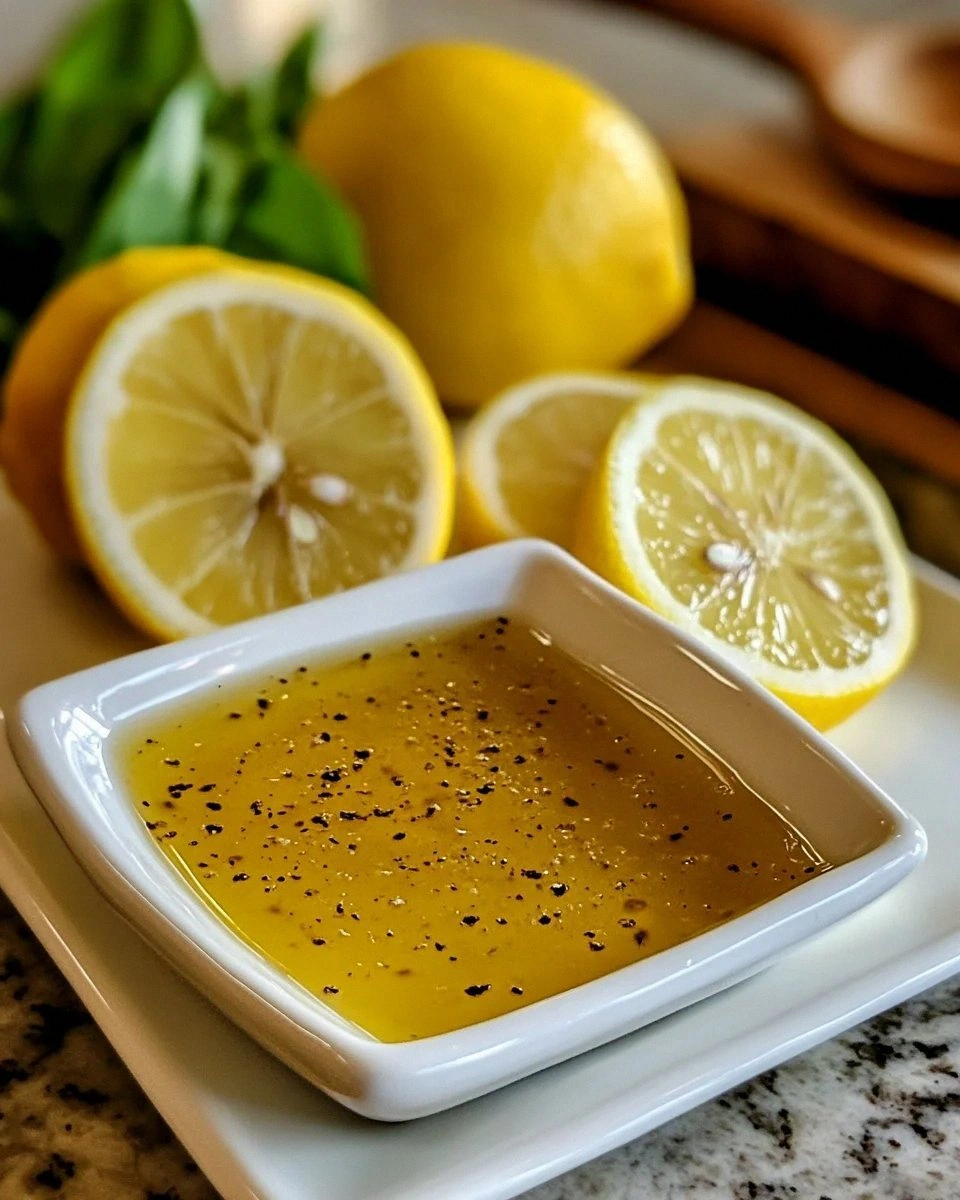
Kitchen Hack: Use a fork instead of a whisk if you’re in a pinch; the tines create enough turbulence to emulsify.Now comes the oil. Slowly drizzle the olive oil into the bowl while whisking constantly. The key is to add the oil in a thin, steady stream; this gradual incorporation allows the oil droplets to be suspended by the emulsifiers from the mustard. You’ll see the dressing thicken and turn glossy—like a sunrise captured in a bowl. If the dressing looks too thin, keep whisking; the emulsion will tighten up.
At this point, taste the vinaigrette. You should experience a bright citrus zing balanced by honey’s mellow sweetness, with a subtle heat from the mustard. Add sea salt, one pinch at a time, tasting after each addition. The salt will bring out the hidden flavors, making the dressing sing.
Watch Out: Over‑salting is a common mistake; remember you can always add more later, but you can’t take it out.Finish with freshly ground black pepper and, if you like, a minced garlic clove. The pepper adds a gentle bite that lingers, while the garlic injects a savory depth. Whisk one final time to ensure everything is evenly distributed. The vinaigrette should have a silky, pourable consistency—think liquid gold that clings to a spoon without dripping off.
Transfer the dressing to a clean glass jar with a tight‑fitting lid. Store it in the refrigerator for at least 30 minutes before serving; this resting period lets the flavors meld, creating a more cohesive taste. The dressing will thicken slightly as it chills—just give it a good shake before using.
When you’re ready to dress your salad, pour a modest amount over the greens and toss gently. The vinaigrette should coat each leaf evenly, leaving a faint sheen. If you need more, add a splash of water to loosen it; this trick keeps the dressing from becoming overly thick after refrigeration.
Serve immediately and watch your guests’ faces light up. I dare you to taste this and not go back for seconds—trust me, the cravings are real. And now the fun part: keep the leftover jar handy for future salads, grain bowls, or even as a glaze for roasted vegetables. This next part? Pure magic.
Insider Tricks for Flawless Results
The Temperature Rule Nobody Follows
Never whisk a cold oil into a cold acid; the temperature shock prevents proper emulsification. Warm the olive oil slightly (to about 90°F) before adding it, and you’ll notice the dressing thickens faster and stays stable longer. I once tried to make this dressing straight from the fridge, and the oil separated like a bad breakup. Warm oil is the secret handshake between ingredients.
Why Your Nose Knows Best
Before you even taste, trust your sense of smell. A well‑balanced vinaigrette will give off a fragrant citrus aroma with a faint honeyed undertone. If you smell a sharp, vinegar‑only scent, you’ve likely over‑acidified. Adjust by adding a touch more honey or a splash of oil, and the nose will guide you to perfection.
The 5‑Minute Rest That Changes Everything
After whisking, let the dressing sit uncovered for five minutes. This short rest allows the honey to fully dissolve and the mustard to bind the oil droplets. Skipping this step often results in a slightly grainy texture. I’ve seen salads turn from “meh” to “wow” just by giving the vinaigrette a brief pause.
Shake, Don’t Stir, for Storage
When you retrieve the jar from the fridge, give it a vigorous shake instead of stirring with a spoon. The shake re‑emulsifies any separation that may have occurred overnight. It’s the same principle as a shaken cocktail—quick, energetic, and effective.
Seasonal Citrus Swap
While lemon is the classic choice, swapping in fresh orange or grapefruit juice adds a sweet‑bitter twist that pairs beautifully with bitter greens like arugula. The key is to keep the honey proportion the same, so the overall balance stays intact.
Creative Twists and Variations
This recipe is a playground. Here are some of my favorite ways to switch things up:
Maple‑Mustard Fusion
Swap the honey for pure maple syrup and add an extra half‑teaspoon of Dijon. The result is a richer, autumn‑inspired dressing that pairs beautifully with roasted root vegetables and kale.
Spicy Chili Kick
Stir in a pinch of red‑pepper flakes or a dash of sriracha after the oil is fully incorporated. The heat cuts through the sweetness, creating a bold vinaigrette perfect for grilled shrimp salads.
Herb‑Infused Elegance
Finely mince fresh thyme or rosemary and whisk it in with the lemon zest. The herbaceous notes add complexity, making the dressing a star on a Nicoise or Mediterranean salad.
Greek Yogurt Creaminess
Replace half of the olive oil with Greek yogurt for a tangy, creamy version that works well on cucumber‑tomato salads. The yogurt adds protein and a luxurious mouthfeel without extra fat.
Umami Boost
Add a teaspoon of soy sauce or a splash of fish sauce for an umami‑rich twist that elevates Asian‑style salads with bok choy, edamame, and toasted sesame seeds.
Berry‑Bright Variation
Blend a handful of fresh raspberries into the honey before whisking. The berries introduce a subtle fruitiness and a gorgeous pink hue—ideal for spring salads with goat cheese.
Storing and Bringing It Back to Life
Fridge Storage
Transfer the vinaigrette to a clean glass jar with a tight‑fitting lid and store it in the refrigerator for up to seven days. The flavors will continue to meld, becoming even more harmonious over time. Before each use, give the jar a good shake to re‑emulsify any separation.
Freezer Friendly
If you’ve made a large batch, you can freeze the dressing in ice‑cube trays for up to three months. Once frozen, pop the cubes into a zip‑top bag and store them. To use, thaw a cube in the fridge overnight and give it a quick whisk before drizzling.
Best Reheating Method
When the dressing has thickened too much after chilling, add a tiny splash of warm water (about a teaspoon per cup of dressing) and whisk gently. The water creates steam that loosens the emulsion, bringing the vinaigrette back to a pourable consistency without diluting the flavor.