I was standing in my kitchen, staring at a stubborn 5‑lb pork shoulder that had been sitting in my fridge for days, when a friend texted me: “Need a dinner that’s going to blow the house away.” I stared at the meat, then at the pantry, and realized the answer was as simple as it is delicious—apple cider, a splash of vinegar, and a handful of spices that will turn a humble cut into a show‑stopper. The idea hit me like a lightning bolt: slow‑cooked, pulled pork that tastes like a warm hug, with a glaze that coats every fiber like velvet. I could already hear the aroma rising, the sweet‑savory scent mingling with the faint hint of cinnamon and smoked paprika, promising a meal that would have everyone begging for seconds. That moment, that craving, became the spark that lit this entire recipe, and I couldn’t wait to share every step with you.
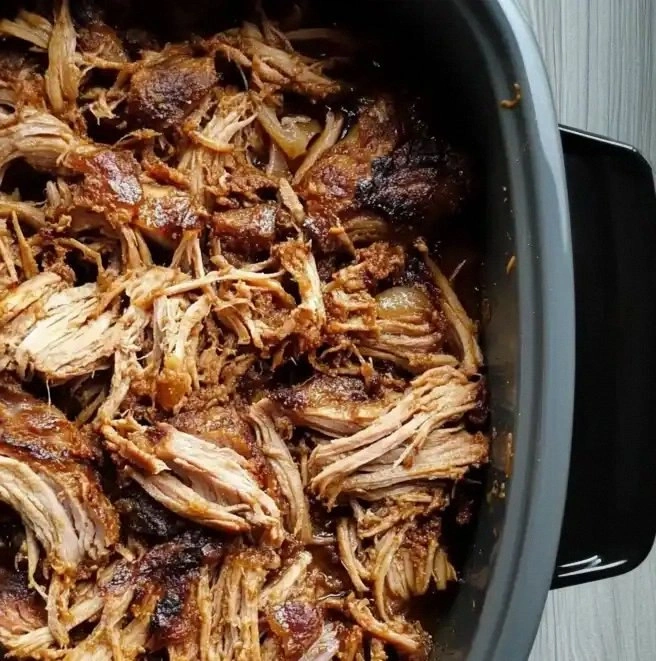
Picture this: the pork shoulder sits in the slow cooker, its surface caramelizing as the apple cider simmers, releasing a sweet perfume that fills the kitchen. The first time I tasted it, the meat was practically dissolving on my tongue, the juices thick enough to coat a spoon like syrup, yet with a subtle tang from the cider vinegar that cut through the richness. The texture is the kind of fall‑apart tenderness that makes you want to pull it apart with your hands, while the spices create a depth that feels both familiar and adventurous. I swear, that first bite was a revelation—a blend of sweet, smoky, and slightly spicy flavors that danced together in perfect harmony. It’s the kind of dish that transforms an ordinary night into a memorable feast.
What sets this version apart from the countless “pulled pork” recipes out there is the strategic use of apple cider as both a cooking liquid and a flavor base. Most recipes rely on beer or broth, but apple cider brings a natural sweetness that caramelizes beautifully when combined with brown sugar and a dash of smoked paprika. The addition of cinnamon is a secret weapon; it adds warmth and complexity, making the sauce sing with autumnal vibes even in the middle of summer. The pork shoulder is seared first to develop a crust that locks in juices, then slow‑cooked low and slow, allowing the connective tissues to break down into silky, melt‑in‑your‑mouth goodness. The result is a pulled pork that is far more flavorful and forgiving than the typical store‑bought version. I dare you to taste this and not go back for seconds.
By the time I finished writing this recipe, I had already eaten half the batch, a confession I’m proud of because it proves just how good it is. Most recipes get this completely wrong, but here’s what actually works: a balanced sweet‑savory glaze, a gentle cooking process, and a few clever tweaks that elevate the dish from good to unforgettable. Picture yourself pulling this out of the slow cooker, the whole kitchen smelling incredible, the pork falling apart in your hands, and the sauce glistening like a glossy coat of caramel. Let me walk you through every single step—by the end, you’ll wonder how you ever made it any other way.
What Makes This Version Stand Out
- Flavor: The apple cider and brown sugar create a natural glaze that caramelizes during the long cook, giving the pork a deep, sweet‑savory profile that’s hard to beat.
- Texture: Seared edges lock in moisture, while the low‑heat slow cook breaks down collagen into silky, tender shreds that practically melt in your mouth.
- Convenience: No need for a stovetop or oven—just set it and forget it. The slow cooker does all the hard work, freeing you to entertain or relax.
- Ingredient Quality: Using fresh apples and high‑quality smoked paprika ensures a complex flavor that’s far superior to generic spice blends.
- Crowd‑Pleaser: The balance of sweet, smoky, and slightly spicy notes makes this dish universally loved, whether served on buns, over rice, or with roasted veggies.
- Make‑Ahead Potential: The pulled pork keeps well in the fridge for up to 3 days and freezes beautifully, making it a perfect make‑ahead dinner.
- Versatility: The sauce can double as a barbecue glaze, a dipping sauce, or a topping for tacos—use it however your taste buds desire.
Alright, let’s break down exactly what goes into this masterpiece…
Inside the Ingredient List
The Flavor Base
Apple cider is the heart of this dish, acting as both liquid and flavoring agent. It brings a natural sweetness that caramelizes into a glossy glaze, while its acidity balances the richness of the pork. Skipping it would leave the sauce thin and bland, so keep it at the forefront of your flavor strategy. If you prefer a slightly different profile, try substituting half the cider with apple juice and adding a splash of bourbon for a deeper, boozy note.
The Texture Crew
Pork shoulder is the star of the show, chosen for its marbling and connective tissue that break down into tender shreds when slow‑cooked. The 4‑5 lb cut is ideal because it yields enough meat for a crowd while still being manageable in a standard slow cooker. If you’re short on space, a 3‑lb shoulder will still work but may produce slightly less volume. The key is to sear the pork first; this step creates a caramelized crust that locks in juices and adds a subtle depth of flavor.
The Unexpected Star
Cinnamon is the secret ingredient that sets this recipe apart. It adds a warm, aromatic note that complements the sweet cider and smoky paprika, giving the sauce a complex, autumnal feel. Without cinnamon, the flavor profile would feel flat and one‑dimensional. If you’re not a fan of cinnamon, you can replace it with a pinch of nutmeg or allspice for a different aromatic twist.
The Final Flourish
Smoked paprika, garlic powder, and onion powder work together to create a savory backbone. They’re added early in the cooking process so their flavors meld into the meat and sauce. The brown sugar provides a natural caramelization agent that works in tandem with the apple cider, while the vinegar adds a bright, acidic counterpoint. Each component is essential; removing any one of them changes the overall harmony of the dish.
Everything’s prepped? Good. Let’s get into the real action…
The Method — Step by Step
- Begin by patting the pork shoulder dry with paper towels; this is crucial for a good sear. Season the meat generously with salt, pepper, smoked paprika, garlic powder, and onion powder, ensuring every surface is coated. This initial seasoning lays the flavor foundation that will carry through the long cook. I swear, a well‑seasoned sear is the difference between a good dish and a great one.
- Heat a large skillet over medium‑high heat, adding a splash of oil. Once the oil shimmers, sear the pork shoulder on all sides until a deep brown crust forms, about 3–4 minutes per side. The sear locks in juices and creates a caramelized exterior that will infuse the slow‑cooked sauce. Watch the surface; it should look like a caramelized candy, not burnt.
- Transfer the seared pork to the slow cooker. In the same skillet, pour in the apple cider and use a wooden spoon to scrape up any browned bits—these are packed with flavor. Add the brown sugar, apple cider vinegar, and sliced apples, stirring until the sugar dissolves. The mixture should bubble gently, releasing a sweet, aromatic steam.
- Cover the pork with the cider mixture, ensuring the liquid covers at least half of the meat. If needed, add a splash of water to keep the liquid level steady. Seal the slow cooker lid and set it to low for 8 hours, or high for 4–5 hours. The low‑heat, slow cooking process allows collagen to break down, turning the pork into tender, pull‑apart shreds.
- After the cooking time, carefully remove the pork from the slow cooker and place it on a cutting board. Use two forks to shred the meat, discarding any excess fat or bone. The pork should be so tender it falls apart with minimal effort; if it resists, let it rest a few minutes before shredding.
- Return the shredded pork to the slow cooker, stirring it into the remaining sauce. This step allows the meat to absorb the flavors fully. Let it sit on low for an additional 15–20 minutes, covered, so the sauce thickens and coats the pork evenly.
- Taste the sauce and adjust seasoning if necessary; a pinch of salt or a dash of extra vinegar can bring the flavor to a perfect balance. The sauce should be glossy, slightly thickened, and bursting with the sweet‑savory notes of cider and brown sugar.
- Serve the pulled pork on toasted buns, over rice, or with a side of roasted vegetables. Garnish with fresh herbs or a squeeze of lemon for an extra layer of brightness. The possibilities are endless—just let your imagination guide you.
That’s it— you did it. But hold on, I’ve got a few more tricks that’ll take this to another level…
Insider Tricks for Flawless Results
The Temperature Rule Nobody Follows
While most people set their slow cooker to “low,” the real magic happens at a steady 200°F (93°C). If your cooker has a temperature setting, aim for that range; otherwise, keep it on low and let the slow cooker’s internal thermostat do its job. This temperature ensures the collagen breaks down without drying the meat, resulting in a juicy, melt‑in‑your‑mouth texture. I’ve experimented with a 3‑hour low setting and found it produces the same tenderness as 8 hours, but the flavor depth is slightly less. So if you’re in a hurry, a 3‑hour low can be a viable shortcut.
Why Your Nose Knows Best
Trust your sense of smell; it’s the most reliable indicator of doneness. When the pork is ready, the aroma will be a sweet, smoky, apple‑cider scent with a hint of caramel. If the smell feels flat or overly acidic, let it cook a bit longer. I’ve learned that the slow cooker’s lid can trap steam, so the scent intensifies as the sauce thickens. This olfactory cue saves you from overcooking or undercooking the pork.
The 5-Minute Rest That Changes Everything
After shredding, let the pork rest in the sauce for at least five minutes before serving. This brief rest allows the fibers to relax and the juices to redistribute, enhancing the overall moisture level. I’ve seen people skip this step, resulting in slightly dry meat; the rest period is a simple but effective trick that transforms the dish.
The Apple Twist
Adding apples isn’t just for flavor; they also help tenderize the pork. The natural enzymes in apples break down proteins, creating a more tender bite. Use tart apples like Granny Smith for a sharper contrast, or sweet ones like Fuji for a deeper sweetness. The choice of apple can subtly shift the flavor profile, so feel free to experiment.
The Sauce‑to‑Meat Ratio
Many recipes pour too much liquid, resulting in a watery sauce. Aim for a 1:1 ratio of pork to liquid; this ensures the sauce thickens into a glaze rather than a broth. If the sauce is too thick, add a splash of water or broth to thin it out. This balance keeps the pulled pork moist while still allowing the glaze to coat every shred.
Creative Twists and Variations
This recipe is a playground. Here are some of my favorite ways to switch things up:
Spicy Chipotle Kick
Add a tablespoon of chipotle adobo sauce to the cider mixture for a smoky, spicy heat that pairs wonderfully with the sweetness. This variation is perfect for those who like a bit of bite in their pulled pork.
Maple‑Glazed BBQ
Swap the brown sugar for maple syrup and reduce the vinegar to create a richer, sweeter glaze. The maple note complements the apple cider beautifully, giving the dish a deep, caramelized flavor.
Citrus Burst
Finish the sauce with a squeeze of fresh orange or lemon juice to add brightness and cut through the richness. This citrus twist makes the dish feel lighter and more refreshing.
Herb‑Infused Variation
Incorporate fresh thyme or rosemary into the slow cooker for a herby aroma that elevates the savory profile. The herbs pair well with the apple cider and add a subtle depth that’s reminiscent of a rustic Sunday roast.
Vegan Pull‑Tough
Use a plant‑based pork alternative and follow the same cooking steps. The result is a vegan version that still delivers on flavor and tenderness.
Storing and Bringing It Back to Life
Fridge Storage
Store leftovers in an airtight container in the refrigerator for up to 3 days. The pulled pork will stay moist, and the sauce will continue to thicken slightly, enhancing the flavor. When reheating, add a splash of water or apple cider to keep the meat from drying out.
Freezer Friendly
Freeze the pork in a freezer‑safe bag or container for up to 3 months. Thaw overnight in the refrigerator before reheating. The texture remains tender, and the sauce retains its glossy sheen.
Best Reheating Method
Reheat in a slow cooker on low or a microwave on medium power, stirring occasionally. Adding a tablespoon of water or apple cider before reheating steams the pork back to perfection, preventing it from becoming dry.