What Makes This Version Stand Out
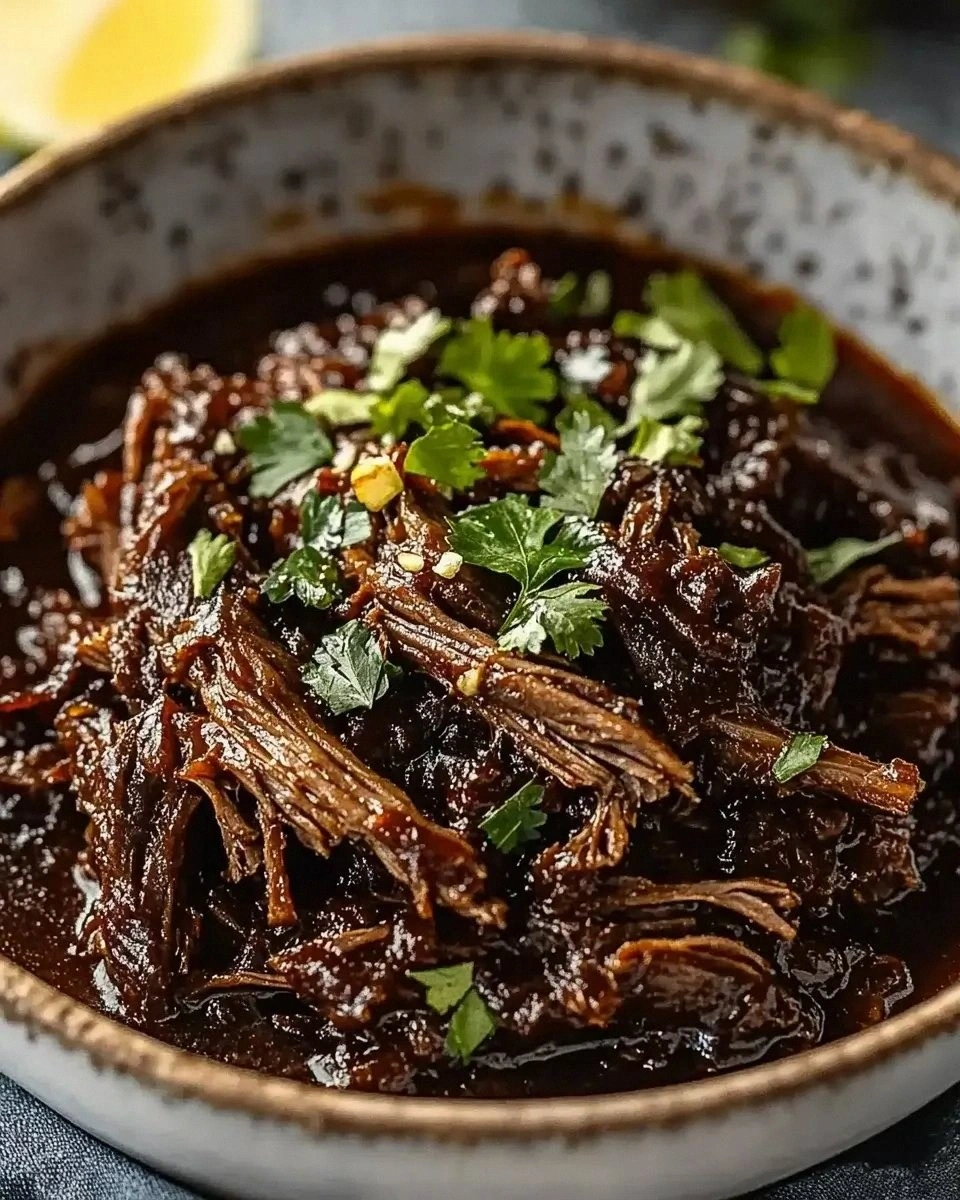
- Flavor: The deep caramelization of the beef paired with the sweet‑acid balance of balsamic vinegar creates a sauce that coats the meat like velvet, delivering a burst of richness with every bite.
- Texture: Slow cooking breaks down collagen into gelatin, giving the beef a melt‑in‑your‑mouth texture that feels luxurious and indulgent.
- Convenience: The entire dish comes together in a single pot—no extra pans, no fuss, just set it and forget it while you enjoy a quiet evening.
- Ingredient Quality: Using a good quality chuck roast and fresh rosemary ensures that each component shines without the need for artificial flavor enhancers.
- Make‑Ahead Potential: The dish tastes even better the next day, making it a perfect make‑ahead dinner for busy weeknights.
- Crowd‑Pleaser: The savory, slightly sweet sauce is a crowd‑pleaser that works for both casual family dinners and more formal gatherings.
Alright, let’s break down exactly what goes into this masterpiece…
Inside the Ingredient List
The Flavor Base
The 1/2 cup of balsamic vinegar is the heart of this dish. It provides a sweet, acidic backbone that cuts through the richness of the beef and balances the earthy tones of rosemary. If you’re not a fan of balsamic, you can swap it for a splash of red wine vinegar, but the sweetness will be noticeably reduced.
The Texture Crew
The 2 lbs of potatoes, 2 cups of carrots, and 2 cups of onions are more than just vegetables—they’re flavor vessels. Their starches and natural sugars help thicken the sauce, while their fibrous cores absorb the savory juices. If you prefer a lighter version, reduce the potatoes to 1.5 lbs or replace them with sweet potatoes for a touch of natural sweetness.
The Unexpected Star
Fresh rosemary is the secret weapon that elevates this dish. Its piney, slightly minty aroma adds a layer of complexity that keeps the sauce from feeling flat. If you’re out of rosemary, a few sprigs of thyme can offer a similar earthy note, though the flavor profile will shift slightly.
The Final Flourish
The 2 tbsp of cornstarch, mixed with a splash of water, is the final touch that gives the sauce that glossy, silky finish. It thickens the liquid just enough to cling to the meat and veggies without becoming gummy. If you’re avoiding starches, try a tablespoon of arrowroot powder for a similar thickening effect.
Everything’s prepped? Good. Let’s get into the real action…
The Method — Step by Step
- Heat a cast‑iron skillet over medium‑high heat. Pat the beef chuck roast dry with paper towels and season generously with 1 tbsp salt and 1 tbsp pepper. Sear each side of the roast until a golden crust forms, about 4–5 minutes per side. This step locks in juices and builds a flavor foundation that the slow cooker will amplify.
- Transfer the seared roast to the slow cooker. Surround it with the pre‑tossed vegetables. Add the minced garlic and fresh rosemary sprigs. Pour in the 1/2 cup balsamic vinegar, letting it swirl around the meat like a glossy curtain.
- Add 2 cups of beef broth to the slow cooker. The liquid should just barely cover the bottom of the pot—no need to submerge the roast entirely. Cover and set to low for 8–10 hours or high for 4–5 hours. The slow, low heat breaks down collagen into gelatin, giving the beef a silky, melt‑in‑your‑mouth texture.
- About 30 minutes before serving, remove the roast from the slow cooker and set it aside on a cutting board. Let it rest for 5 minutes; this allows the juices to redistribute and keeps the meat moist.
- Stir the remaining liquid in the slow cooker to combine all the flavors. Skim off any excess fat that has risen to the surface. This keeps the sauce from feeling greasy and maintains a clean, savory profile.
- In a small bowl, whisk together 2 tbsp cornstarch with a splash of cold water until smooth. Add this slurry to the slow cooker, stirring constantly. The sauce will begin to thicken and develop a glossy sheen. This is the moment of truth—watch the liquid transform.
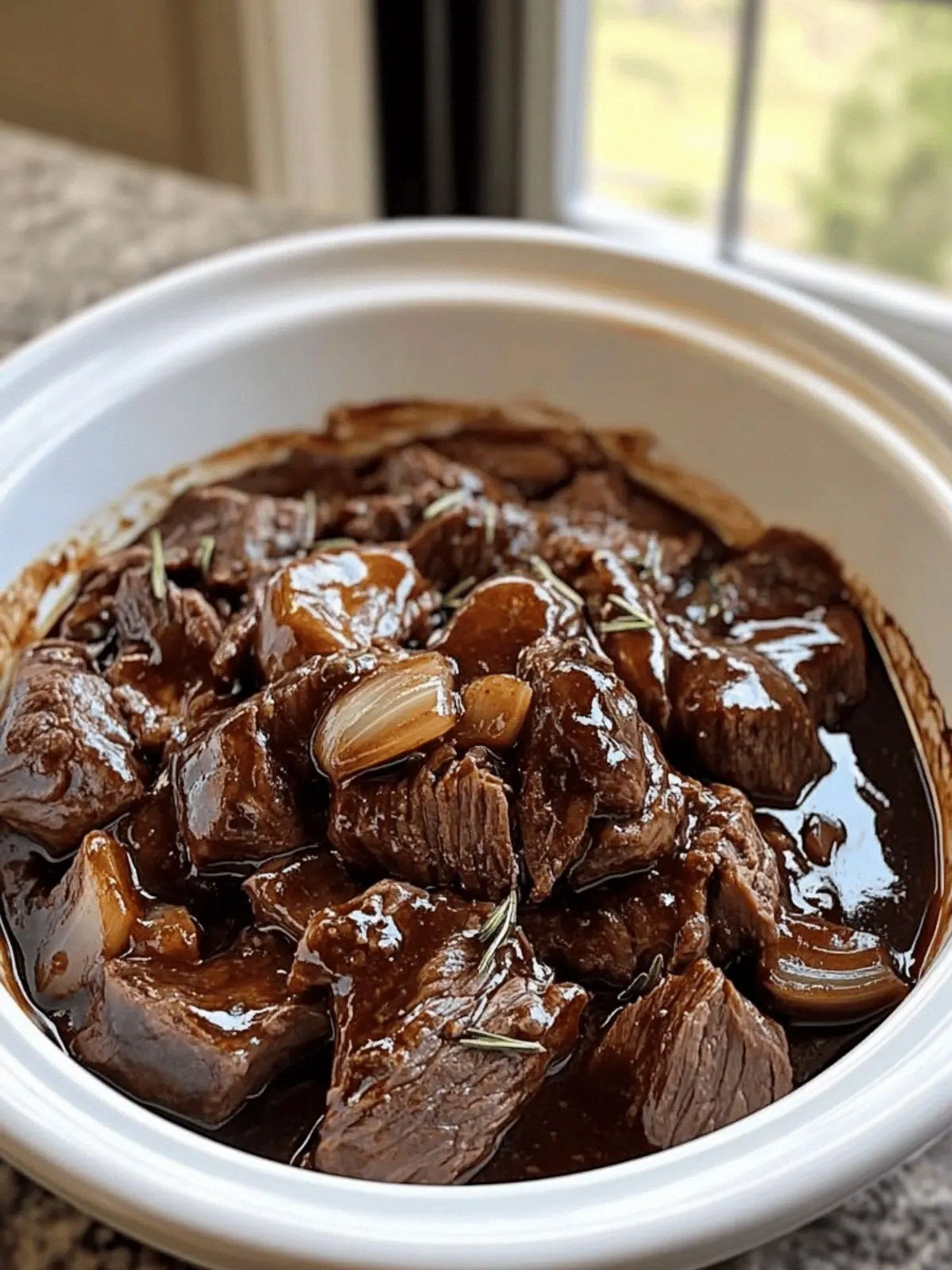
- Slice the rested roast into thin, bite‑size pieces. Arrange the sliced beef over the vegetables in the slow cooker. Spoon the thickened sauce over everything, ensuring every morsel is coated like velvet.
- Give the dish a final stir to distribute the sauce evenly. Let it rest for a minute to allow the flavors to meld before serving. Plate with a sprinkle of fresh rosemary for a pop of color and aroma.
- Serve hot with crusty bread or over a bed of creamy polenta. The combination of tender beef, caramelized vegetables, and glossy sauce creates a comforting, satisfying meal that feels like a warm hug.
That’s it — you did it. But hold on, I’ve got a few more tricks that’ll take this to another level…
Insider Tricks for Flawless Results
The Temperature Rule Nobody Follows
Cooking on low for 8–10 hours is the secret to tender beef. Many people switch to high, thinking it’ll save time, but the slow, steady heat breaks down collagen into gelatin, creating that silky texture. If you’re in a hurry, a 4–5 hour high setting works, but the result will be slightly firmer.
Why Your Nose Knows Best
Your nose is a reliable indicator of doneness. When the aroma of caramelized onions and roasted beef mingles with the sweet tang of balsamic, it’s a sign the dish is ready. Trust that scent, and you’ll avoid over‑cooking.
The 5-Minute Rest That Changes Everything
Letting the roast rest after slow cooking is crucial. It allows the juices to redistribute, preventing the meat from drying out when you slice. A short 5‑minute rest is all you need to lock in moisture.
The Final Splash of Balsamic
Adding the balsamic vinegar right at the end of cooking gives the sauce a bright, glossy finish. If you add it too early, the vinegar will reduce too much, losing its bright acidity.
The Secret to a Thick, Not Gummy Sauce
Whisk the cornstarch with cold water before adding it to the hot liquid. This prevents lumps and ensures a smooth, glossy sauce that clings to the meat and veggies without becoming gummy.
The Power of Fresh Herbs
Adding fresh rosemary at the end of cooking gives the dish a fresh, bright flavor. If you use dried rosemary, add it earlier to let the flavors meld, but fresh is always superior for this dish.
Creative Twists and Variations
This recipe is a playground. Here are some of my favorite ways to switch things up:
Smoky BBQ Edition
Swap the balsamic vinegar for a smoky BBQ sauce and add a splash of apple cider vinegar. The result is a sweet, smoky, tangy beef that pairs beautifully with grilled corn on the cob.
Mediterranean Twist
Replace the rosemary with oregano and add a handful of kalamata olives. The briny olives give a Mediterranean feel, while the oregano adds an herbal depth.
Spicy Kick
Add a pinch of red pepper flakes or a diced jalapeño to the slow cooker. The heat balances the sweetness of the balsamic and gives the dish an exciting layer of flavor.
Vegetarian Version
Use a hearty vegetable like portobello mushrooms or a block of firm tofu instead of beef. The balsamic and rosemary still shine, creating a savory, umami‑rich dish that satisfies without the meat.
Coconut Cream Finish
Stir in a splash of coconut milk at the end to add a creamy, tropical note. The coconut balances the acidity of the balsamic and gives the sauce a silky, velvety texture.
Herb‑Infused Butter Finish
Finish the sauce with a knob of herb‑infused butter—mix softened butter with chopped parsley, thyme, and a dash of lemon zest. This luxurious finishing touch adds depth and a buttery sheen.
Storing and Bringing It Back to Life
Fridge Storage
Cool the dish to room temperature before refrigerating in an airtight container. It will keep fresh for up to 4 days, making it perfect for meal prep. When reheating, add a splash of water or broth to restore moisture.
Freezer Friendly
Divide the dish into individual portions and freeze in freezer‑safe bags. It will stay good for up to 3 months. Thaw overnight in the fridge and reheat on the stove, adding a bit of water to keep the sauce from drying out.
Best Reheating Method
Reheat on low heat, stirring occasionally, until hot. If the sauce seems thick, stir in a tablespoon of beef broth or water to achieve the desired consistency. The dish will taste just as good as the first time, if not better.