Last Sunday, I tried to make a classic French toast for a lazy brunch, but the result was a soggy, flavor‑less pancake that could have doubled as a doorstop. I swear I could hear the collective sigh of disappointment from the whole house, and that was the moment I promised myself I would never settle for a mediocre breakfast again. I tossed a handful of pears into the pan, added a splash of vinegar, and before I knew it, a fragrant, glossy chutney was bubbling away, turning my kitchen into a tiny French bistro. That accidental discovery sparked a daring idea: what if I married the sweet, custardy embrace of French toast with a bright, tangy pear chutney and a dollop of silky mascarpone?
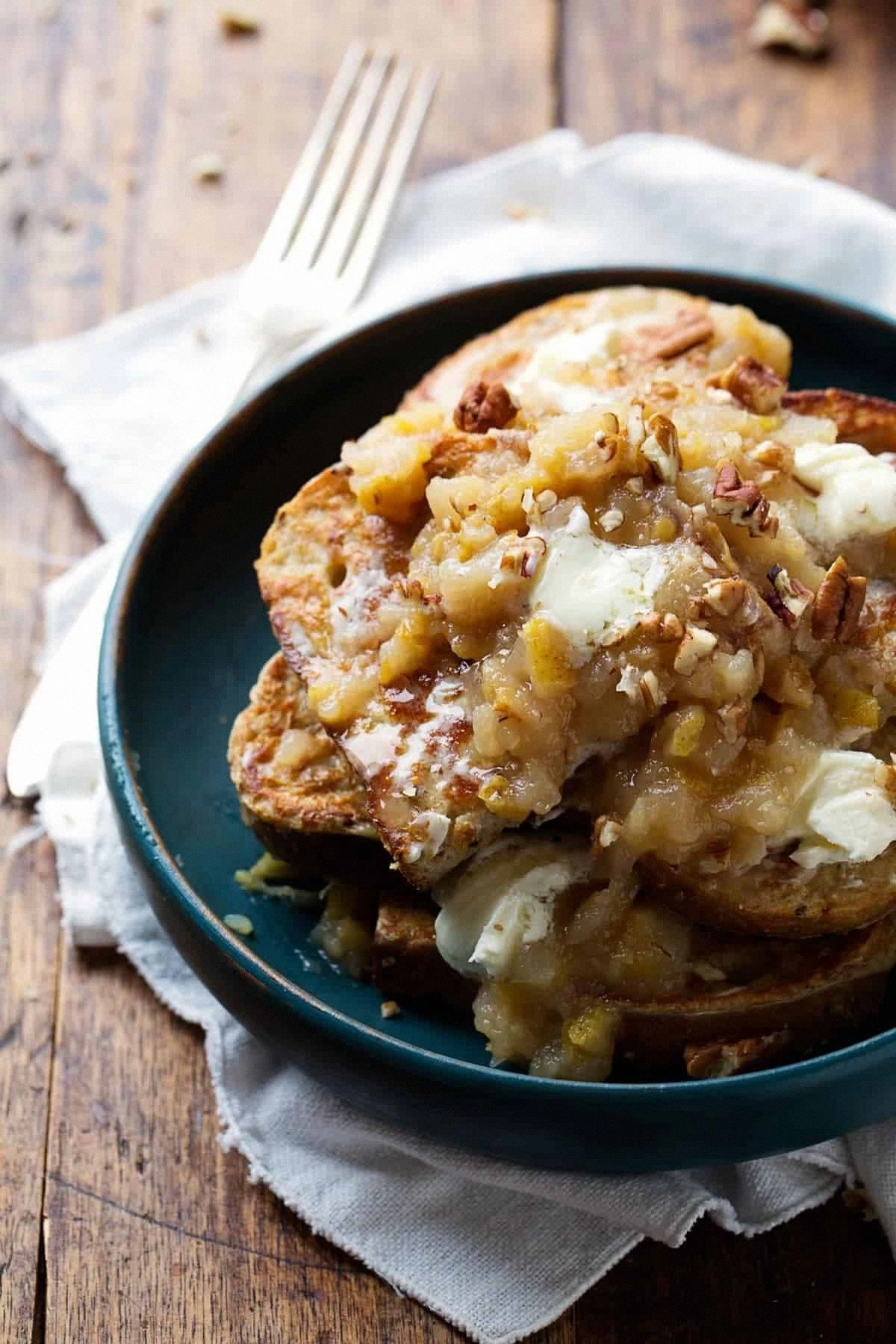
The moment the batter hit the pan, the kitchen filled with the kind of aroma that makes you pause mid‑step and just stare at the sizzling surface, inhaling deeply as if you could capture the scent in a jar. The edges of the bread began to crisp, turning a golden‑brown that reminded me of a sunrise over a city skyline, while the interior stayed plush and custardy, like a cloud that refuses to drift away. When the chutney finally joined the plate, its ruby‑red glaze glistened like a jewel, and with each bite, the sweet pears, warm spices, and a whisper of acidity danced together, creating a flavor orchestra that sang louder than any ordinary breakfast could. The mascarpone, lightly sweetened with honey and brightened by lemon zest, added a lush, velvety finish that made the whole dish feel like a celebration rather than a weekday routine.
Most recipes for French toast either drown the toast in syrup or ignore the power of a good compote. This version flips the script: the pear chutney brings a sophisticated, slightly savory zing that cuts through the sweetness, while the mascarpone adds a luxurious richness without overwhelming the palate. I’ve also tweaked the batter by adding a splash of heavy cream and a pinch of salt, which creates a custard that’s both fluffy and buttery, yet firm enough to hold its own against the tangy chutney. And here’s the kicker—this dish is completely make‑ahead friendly, so you can prep the chutney the night before, letting the flavors meld while you get a good night’s sleep.
Let me walk you through every single step — by the end, you’ll wonder how you ever made it any other way. Okay, ready for the game‑changer? I dare you to taste this and not go back for seconds. This is hands down the best version you’ll ever make at home, and I’m about to spill all the secrets.
What Makes This Version Stand Out
- Flavor Fusion: The sweet‑spicy pear chutney cuts through the buttery richness of the toast, creating a balanced bite that feels both comforting and exciting.
- Texture Harmony: Crispy, caramelized edges contrast with a pillowy interior, while the chutney adds a glossy, jam‑like coating that’s never soggy.
- Simplicity Meets Sophistication: Only a handful of pantry staples are required, yet the result feels like a dish you’d order at a boutique café.
- Ingredient Quality: Using ripe, fragrant pears and real butter makes the flavors sing louder than any artificial flavoring could.
- Crowd‑Pleaser: Even the pickiest eaters love the sweet‑and‑tangy combo; it’s perfect for brunches, holidays, or a lazy weekend treat.
- Make‑Ahead Potential: The chutney can be cooked up a day ahead, allowing the flavors to deepen while you focus on perfecting the toast.
- Versatile Finish: A light mascarpone‑honey spread adds a subtle richness that can be swapped for Greek yogurt or a vegan alternative.
- Visual Appeal: The bright amber of the chutney against the golden toast makes for an Instagram‑worthy plate without any extra effort.
Inside the Ingredient List
The Flavor Base
Eggs are the backbone of any custard, providing structure and a rich, velvety mouthfeel. Using four large eggs gives the batter enough protein to hold together without turning rubbery. If you skip the eggs, you’ll end up with a soggy mess that falls apart the moment you try to flip it. For a dairy‑free version, try substituting with a blend of silken tofu and a splash of soy milk, but expect a slightly different texture.
Whole milk adds moisture and a subtle sweetness, while the half‑cup of heavy cream ramps up the richness, ensuring each bite feels indulgent. Opt for a high‑fat milk (2% or whole) for the best result; low‑fat versions make the custard thin and watery. If you’re watching calories, you can replace the cream with an equal amount of oat milk, though the toast will be a shade less luxurious.
The Texture Crew
Thick‑cut brioche or challah is essential; its buttery crumb absorbs the custard without disintegrating, creating that perfect balance between crisp and soft. If you can’t find brioche, a day‑old sourdough works well, but expect a tangier flavor profile. When selecting bread, look for slices that are at least an inch thick—thin slices will become mushy the moment they hit the pan.
Unsalted butter in the pan not only prevents sticking but also adds a nutty, caramelized flavor as it browns. I always melt the butter over medium heat, waiting for it to foam before adding the bread; this ensures the butter doesn’t burn, which would leave a bitter aftertaste. A quick tip: add a pinch of salt to the butter as it melts to enhance the overall flavor.
The Unexpected Star
Pear chutney brings a bright, fruity acidity that cuts through the richness of the toast. The combination of brown sugar, apple cider vinegar, and warm spices creates a complex sweet‑sour profile that elevates the dish from ordinary to extraordinary. If you substitute the pears with apples, you’ll get a firmer chutney that leans more towards autumnal comfort.
Fresh ginger adds a zingy heat that pairs beautifully with the pears, while cinnamon, cloves, and allspice contribute depth and warmth. Don’t skimp on the spices; they’re the secret behind the chutney’s aromatic punch. For a vegan twist, swap honey in the mascarpone topping with maple syrup, and the flavors remain harmonious.
The Final Flourish
Mascarpone cheese adds a luxuriously smooth finish that melts gently over the warm toast, creating a creamy veil that ties the sweet and tangy elements together. Its high fat content ensures the topping stays silky rather than grainy. If you can’t find mascarpone, a blend of cream cheese and heavy cream (2:1 ratio) works as a suitable substitute.
Honey and lemon zest brighten the mascarpone, adding floral sweetness and a citrusy pop that keeps the palate from feeling heavy. A light drizzle of honey also adds a glossy sheen, making the plate look as polished as it tastes. For a dairy‑free version, use a thick coconut cream mixed with a dash of maple syrup and lime zest.
Everything's prepped? Good. Let’s get into the real action...
The Method — Step by Step
Start by whisking together the eggs, milk, heavy cream, sugar, vanilla, cinnamon, and a pinch of salt in a wide bowl. I like to use a fork for a light froth, but a handheld mixer works too; just don’t over‑beat or you’ll incorporate too much air, making the batter too light to cling to the bread. Let the mixture sit for five minutes—this rest allows the starches in the milk to hydrate, creating a smoother custard. The scent of vanilla will already be teasing your nostrils, promising something delicious.
Kitchen Hack: Warm the bowl slightly in a microwave for 10 seconds before whisking; this helps the sugar dissolve faster and yields a silkier batter.While the batter rests, begin the pear chutney. Toss the diced pears, brown sugar, apple cider vinegar, water, ginger, cinnamon, cloves, allspice, and a pinch of salt into a medium saucepan. Bring the mixture to a gentle boil over medium heat, then reduce to a simmer. Stir occasionally, watching as the liquid thickens and the pears soften, turning the mixture a deep amber. This should take about 15‑20 minutes; the chutney is ready when it coats the back of a spoon and the pears are tender but still hold shape.
Watch Out: If the heat is too high, the sugars will caramelize too quickly and burn, turning the chutney bitter. Keep the simmer gentle.Once the chutney is done, transfer it to a bowl, cover, and set it aside to cool while you finish the toast. The chutney will continue to thicken as it cools, so you’ll have a perfect jam‑like consistency ready to spread.
Heat a large non‑stick skillet or cast‑iron pan over medium‑low heat and add a tablespoon of butter, letting it melt and foam. When the butter begins to sizzle but hasn’t browned, dip each slice of bread into the custard, allowing it to soak for about 10 seconds per side. The bread should be fully coated but not dripping; too much batter will make the toast soggy.
Place the soaked bread into the hot pan, giving each slice enough room to breathe. Let it cook undisturbed for 3‑4 minutes, watching the edges turn a deep golden brown. You’ll hear a faint hissing sound—That sizzle when it hits the pan? Absolute perfection. Flip the slice once the underside is beautifully caramelized; the second side needs only 2‑3 minutes because the first side has already set the structure.
While the second side cooks, add another tablespoon of butter to the pan for extra richness. As the butter melts, tilt the pan slightly and spoon the melted butter over the top of the toast; this technique, called “basting,” ensures even browning and a glossy finish. The edges will start pulling away from the pan, a visual cue that they’re ready to be lifted.
When all slices are golden and crisp, transfer them to a warm serving platter. While still hot, dollop a generous spoonful of the pear chutney onto each slice, allowing it to melt slightly into the crevices. Then, spread a thin layer of mascarpone‑honey mixture over the top, letting it melt into a silky veil. Finish with a sprinkle of toasted almond slivers for a subtle crunch that adds texture contrast.
Kitchen Hack: Warm the mascarpone mixture slightly in the microwave (10‑15 seconds) before spreading; it becomes easier to drizzle and creates a glossy finish.Serve immediately, encouraging guests to cut through the crisp crust and experience the interplay of sweet, tangy, and buttery flavors. The dish is best enjoyed while the toast is still warm, the chutney still glossy, and the mascarpone still melting. Pair with a strong cup of coffee or a glass of chilled sparkling cider for an elevated brunch experience.
That’s it — you did it. But hold on, I’ve got a few more tricks that'll take this to another level, like a quick dusting of powdered sugar for visual flair or a dash of smoked paprika for an unexpected smoky note. Trust me, these little extras turn a great dish into a legendary one.
Insider Tricks for Flawless Results
The Temperature Rule Nobody Follows
Never start the pan on high heat. A medium‑low setting lets the butter melt slowly, preventing it from scorching and giving the bread time to develop that coveted caramelized crust. If you rush the heat, you’ll end up with burnt butter and a bitter aftertaste that overwhelms the delicate chutney. I always pre‑heat the pan for exactly one minute before adding butter, then adjust the heat based on the sound of the sizzle. This controlled approach yields a uniform golden hue without any burnt spots.
Why Your Nose Knows Best
Trust the aroma as a guide. When the toast begins to release a nutty, buttery scent, that’s your cue that the crust is forming. If you can smell the toasted notes before the edges turn golden, you’re probably cooking at the perfect temperature. Conversely, a burnt, acrid smell means you’ve gone too far. Use your sense of smell as a real‑time thermometer—it’s more reliable than any kitchen gadget for this recipe.
The 5‑Minute Rest That Changes Everything
After the chutney cools, let it sit uncovered for at least five minutes. This brief rest allows the flavors to meld and the sauce to thicken just enough to cling to the toast without sliding off. Skipping this step results in a runny topping that pools at the bottom of the plate, making the dish look sloppy. I’ve seen many brunches ruined by a soggy mess—don’t be that person.
Butter Basting for Extra Gloss
While the second side of the toast cooks, spoon the melted butter over the top repeatedly. This technique not only adds flavor but also creates a glossy finish that makes the dish look professionally plated. The butter also helps the edges stay crisp while the interior stays moist, striking the perfect textural balance. If you forget to baste, the toast may end up dry on the top side.
Mascarpone Mix‑In Magic
Blend the mascarpone with honey and lemon zest just before serving, not hours ahead. The citrus zest can lose its bright aroma over time, and the honey may crystallize if left too long. A quick 30‑second stir right before plating ensures the mixture is airy and luminous, spreading easily over the warm toast. This final touch turns the dish from good to unforgettable.
Creative Twists and Variations
This recipe is a playground. Here are some of my favorite ways to switch things up:
Apple‑Cinnamon Chutney
Swap the pears for tart Granny Smith apples and double the cinnamon. The result is a classic autumnal flavor that pairs beautifully with the buttery toast. Ideal for a cozy November brunch.
Spicy Jalapeño Pear Chutney
Add finely diced jalapeño (seeds removed) to the chutney for a subtle heat that cuts through the sweetness. It creates a sweet‑heat balance that will wow guests who love a little kick.
Vegan Coconut Mascarpone
Blend thick coconut cream with a splash of maple syrup and a pinch of sea salt to mimic the creamy tang of mascarpone. This dairy‑free version retains the luscious mouthfeel while keeping the dish entirely plant‑based.
Savory Herb Toast
Mix fresh rosemary and thyme into the egg batter and serve with a savory onion‑pear chutney (add caramelized onions). This transforms the dish into a brunch‑worthy savory entrée.
Chocolate‑Swirl Finish
Drizzle a thin line of dark chocolate ganache over the topped toast for an indulgent dessert‑style twist. The bitterness of the chocolate balances the sweet chutney, creating a sophisticated flavor combo.
Nut‑Infused Crunch
Replace almond slivers with toasted hazelnut pieces or crushed pistachios for a different nutty profile. Each nut adds its own distinctive aroma and texture, making each bite a surprise.
Storing and Bringing It Back to Life
Fridge Storage
Store leftover French toast in an airtight container in the refrigerator for up to three days. Place a sheet of parchment paper between layers to prevent sticking. When ready to eat, reheat gently in a skillet with a pat of butter; the exterior will regain its crispness while the interior stays soft.
Freezer Friendly
Both the toast and the chutney freeze beautifully. Wrap each slice of cooked toast tightly in foil, then place in a zip‑top bag; it will keep for up to two months. The chutney can be frozen in individual portions in silicone muffin trays. Thaw overnight in the fridge, then warm as described above.
Best Reheating Method
To revive the toast, preheat a non‑stick pan over medium heat, add a splash of water (just a teaspoon) and cover with a lid for 2‑3 minutes. The steam revives the interior, while the pan’s direct heat restores the crisp crust. Finish with a quick butter basting for that fresh‑out‑of‑the‑pan shine.