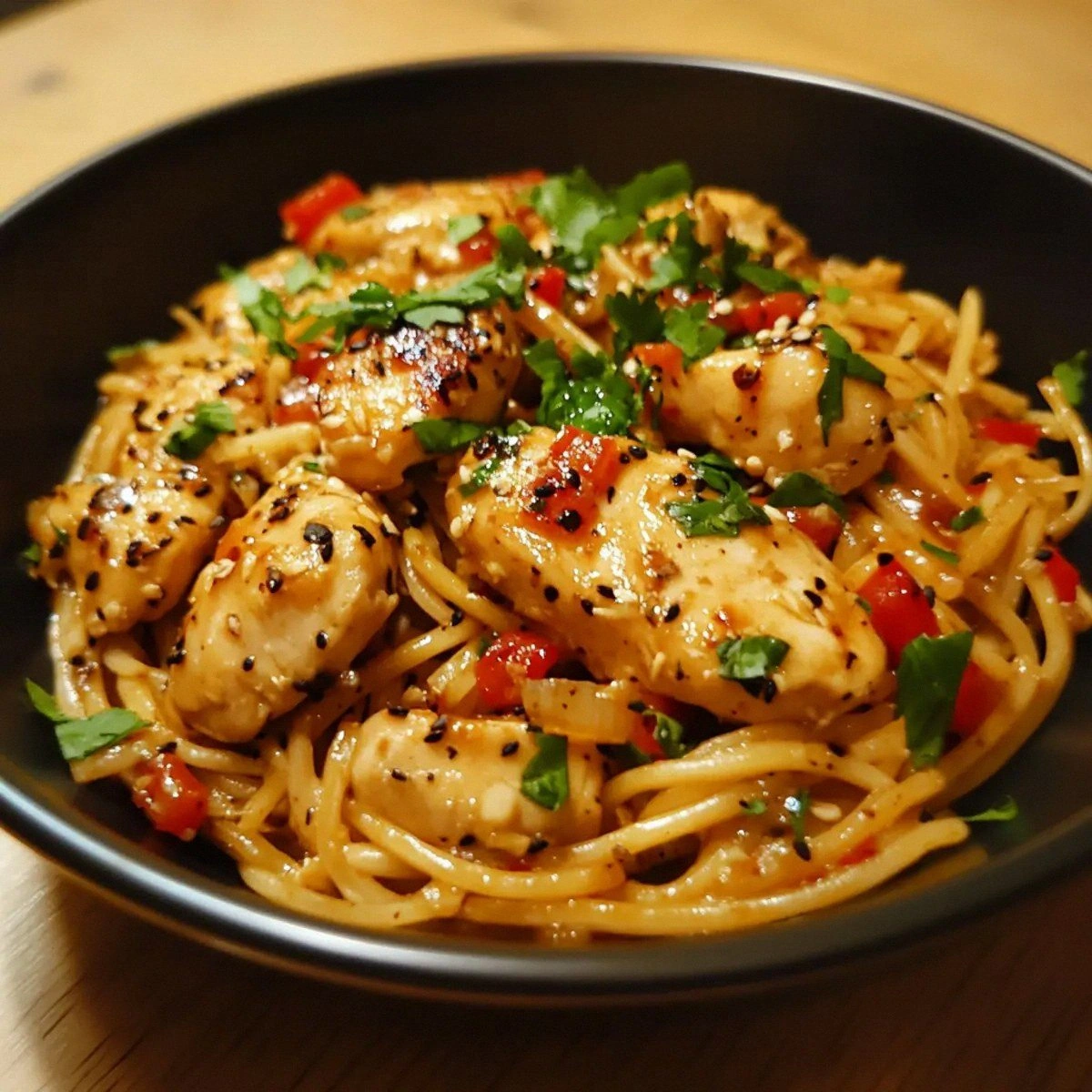
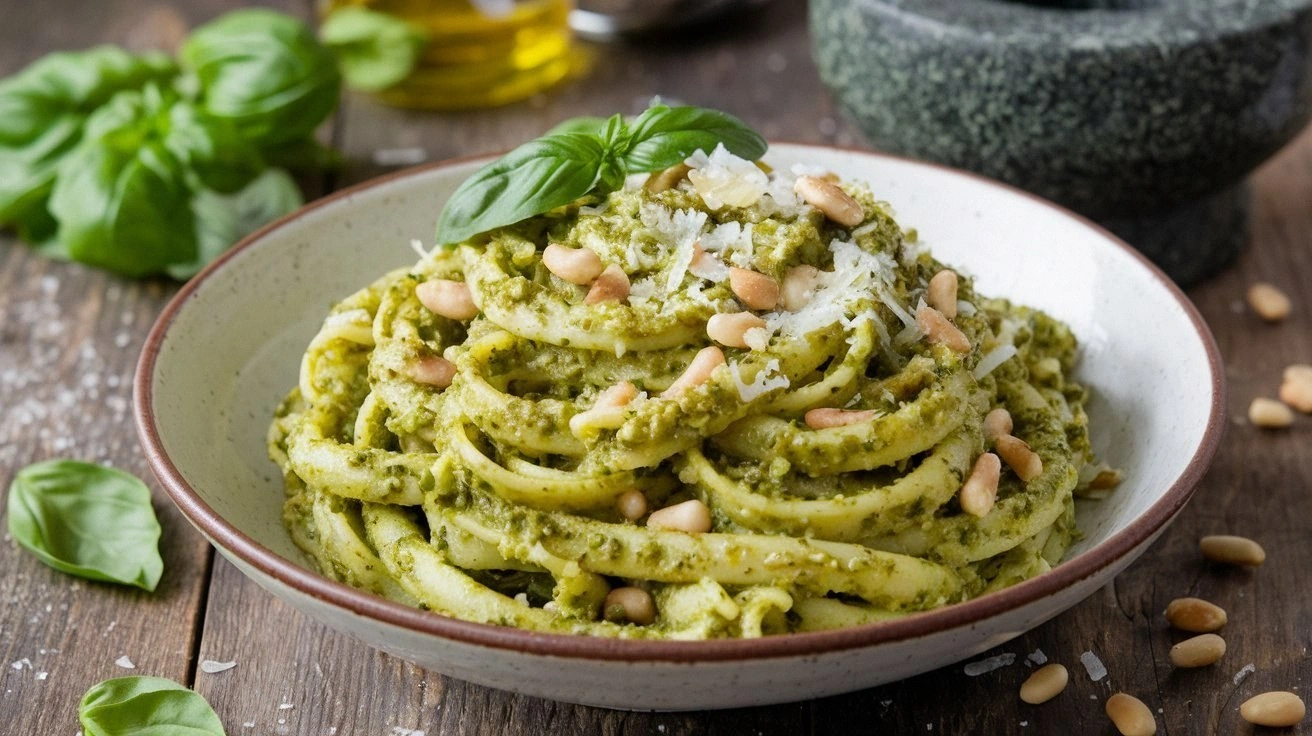
Picture this: you’re halfway through a week of work, the clock is ticking, and your stomach is growling louder than a toddler on a sugar rush. You want something that feels like a hug in a bowl, but you don’t want to spend the next hour in the kitchen. That was the moment I discovered the secret to a pesto pasta that’s so simple it practically cooks itself, yet so flavorful it could have been crafted by a Michelin‑star chef. The aroma of fresh basil, the crunch of toasted pine nuts, and that unmistakable hint of garlic all come together in a sauce that coats every strand of pasta like velvet, turning an ordinary dinner into an instant celebration.
I remember the first time I tried to make pesto from scratch. I had a handful of basil, a jar of pine nuts, and a handful of Parmesan, but I forgot the olive oil, so the mixture turned into a dry, crumbly paste that clung to my spoon. The kitchen smelled like burnt breadcrumbs, and I was left staring at a bowl of green mush that tasted like a failed experiment. That disaster taught me that the right balance of oil and the right timing for toasting the nuts can make or break the entire dish. From that point on, I vowed to master the art of pesto, and the result was this version that is hands down the best you’ll ever make at home.
What makes this recipe a standout is not just the ingredients, but the way they interact. The basil is freshly picked, not frozen or dried, giving it a bright, almost citrusy flavor. The pine nuts are toasted until golden, releasing a nutty aroma that lingers on your palate. The Parmesan is freshly grated, ensuring a sharp, savory bite that balances the herbaceous freshness. Together, they create a sauce that’s silky, aromatic, and perfectly balanced—no single component overpowers the others. It’s a lesson in harmony that you’ll carry over to every dish you cook.
And here’s the kicker: this pesto doesn’t need a blender or a food processor. A simple hand‑crushed mortar and pestle, or even a sturdy spoon, will do the trick. That means you can make it in minutes, with minimal cleanup, and the result is a sauce that feels homemade and authentic. The technique I’ll show you will give you a pesto that’s both smooth and slightly chunky—just the right texture for clinging to pasta. I dare you to taste this and not go back for seconds, because once you’re done, the next bowl will feel like a cheat meal.
If you’ve ever struggled with pesto that turns out too thick or too watery, you’re not alone. The trick is to add the oil gradually and to toast the nuts properly. That way, you’ll get a sauce that’s silky, not greasy, and that coats the pasta without weighing it down. And if you’re worried about the time it takes, remember that the toasting step is the only one that takes a few minutes, and the rest is just mixing and cooking. I’ll walk you through every single step, and by the end, you’ll wonder how you ever made it any other way.
What Makes This Version Stand Out
- Freshness: Using freshly harvested basil gives the sauce a bright, green burst that’s unmistakably fresh.
- Texture: The hand‑toasted pine nuts add a subtle crunch that contrasts with the silky sauce.
- Balance: The ratio of oil to solids creates a sauce that’s neither too thick nor too runny.
- Convenience: No need for a food processor—just a mortar, pestle, or spoon.
- Versatility: Works with any pasta shape and can be turned into a sauce for pizza or grilled chicken.
- Nutrition: Packed with healthy fats, protein, and vitamins from the basil and nuts.
- Time: The entire process takes under 45 minutes from start to finish.
- Make‑ahead: The pesto can be stored for up to a week, making it perfect for meal prep.
Inside the Ingredient List
The Flavor Base
At the heart of this pesto lies the basil, a green powerhouse of flavor. Fresh basil leaves are packed with essential oils that give pesto its signature aroma. If you can’t find fresh basil, consider using a mix of fresh and dried to achieve depth, but the fresh leaves will always win the battle of freshness.
The Texture Crew
Pine nuts are the unsung heroes that provide a subtle, buttery crunch. Toasting them unlocks their natural oils, creating a nutty undertone that balances the herbaceous basil. If you’re allergic or simply don’t like pine nuts, walnuts or almonds make great substitutes, though the flavor profile will shift slightly.
The Unexpected Star
The Parmesan cheese might seem like an ordinary addition, but it brings a sharp, umami punch that lifts the entire sauce. Freshly grated Parmesan dissolves more readily than pre‑grated, ensuring a smoother consistency. If you’re vegan, try nutritional yeast for a similar cheesy note.
The Final Flourish
Extra‑virgin olive oil is the binder that holds the pesto together, giving it that silky mouthfeel. The oil also carries the basil’s delicate flavors into every bite. Use a high‑quality oil with a peppery finish for an extra layer of complexity.
Everything’s prepped? Good. Let’s get into the real action, where the magic truly begins.
The Method — Step by Step
- Step 1: Boil the pasta. Fill a large pot with water, add a generous pinch of salt, and bring it to a rolling boil. Add the pasta and cook until al dente, usually 8-10 minutes for fusilli or 7-9 minutes for spaghetti. Drain the pasta, reserving a cup of the starchy cooking water, then set it aside. The pasta should still be slightly firm to hold the sauce without becoming mushy.
- Step 2: Toast the pine nuts. Place the pine nuts in a dry skillet over medium heat. Stir constantly until they turn golden brown and release a nutty aroma, about 3-4 minutes. Be careful not to burn them, as burnt nuts will give the pesto a bitter taste. Remove from heat and let them cool slightly.
- Step 3: Crush the garlic. Smash the garlic cloves with the flat side of a knife to break down the fibers. This releases the essential oils and makes the garlic easier to blend into the pesto. If you’re sensitive to raw garlic, you can lightly sauté it in a pan with a splash of oil until fragrant.
- Step 4: Blend the basil and pine nuts. In a mortar and pestle, add the basil leaves and toasted pine nuts. Pound them together until the mixture is coarsely ground. The goal is to break down the basil without turning it into a paste; you want a slightly chunky texture that clings to the pasta.
- Step 5: Add the cheese and seasonings. Sprinkle in the grated Parmesan, salt, and pepper. Continue pounding until the mixture starts to come together, forming a rough paste. The cheese will help bind the ingredients and give the pesto its signature umami.
- Step 6: Incorporate the olive oil. Slowly drizzle in the extra‑virgin olive oil while stirring continuously. The oil should be added in a steady stream to emulsify the pesto into a silky sauce. If the sauce thickens too much, add a splash of the reserved pasta water to loosen it.
- Step 7: Combine the pasta and pesto. Toss the drained pasta with the freshly made pesto, adding a little pasta water as needed to coat every strand evenly. The sauce should cling to the pasta like a velvet ribbon, not sit on top. This step is crucial for the sauce’s mouthfeel.
- Step 8: Serve immediately. Plate the pasta while it’s hot, and if desired, top with a drizzle of olive oil, a sprinkle of extra Parmesan, or a few fresh basil leaves. The dish is best enjoyed fresh, but you can keep it warm in a low‑heat oven if needed.
That’s it — you did it. But hold on, I’ve got a few more tricks that will take this to another level. These insider tips will help you avoid common pitfalls and elevate the dish from good to unforgettable.
Insider Tricks for Flawless Results
The Temperature Rule Nobody Follows
Many people think pesto can be made at any temperature, but the key is to let the basil sit at room temperature for at least 30 minutes before blending. This allows the essential oils to release fully, giving the sauce a brighter, more vibrant flavor. If you’re in a hurry, you can skip this step, but the difference will be noticeable.
Why Your Nose Knows Best
When toasting pine nuts, trust your nose more than your eyes. The scent of toasted nuts is a reliable indicator that they’re ready. If they’re still smelling raw, give them a few more minutes. Over‑toasting will produce a bitter flavor that can ruin the pesto’s balance.
The 5‑Minute Rest That Changes Everything
After blending the pesto, let it rest for at least five minutes before tossing it with pasta. This resting period allows the flavors to meld and the oils to emulsify fully. A rushed pesto often feels thin and under‑seasoned, while a rested sauce delivers depth and complexity.
The Right Pasta Shape
Different pasta shapes hold sauce differently. Fusilli, penne, and rigatoni are excellent choices because their ridges and tubes trap the pesto, giving every bite a burst of flavor. Straight noodles like spaghetti can also work, but they might not hold the sauce as firmly.
The Final Touch of Freshness
Just before serving, add a squeeze of fresh lemon juice to brighten the dish. The acidity cuts through the richness of the olive oil and Parmesan, creating a harmonious balance. If you prefer a sweeter note, a pinch of sugar can also help balance the bitterness of toasted nuts.
Creative Twists and Variations
This recipe is a playground. Here are some of my favorite ways to switch things up:
Sun‑Dried Tomato Pesto
Replace half the basil with sun‑dried tomatoes for a sweet, tangy twist. The tomatoes add depth and a hint of caramelized flavor that pairs beautifully with the nuts.
Roasted Red Pepper Pesto
Swap the basil for roasted red peppers and add a splash of balsamic vinegar. This version delivers a smoky, sweet profile that’s perfect for summer gatherings.
Spinach & Pine Nut Pesto
Use fresh spinach instead of basil for a milder flavor. The spinach’s subtle earthiness complements the pine nuts, creating a lighter sauce that’s great for a health‑conscious crowd.
Almond & Walnut Pesto
Substitute pine nuts with almonds or walnuts for a richer, nuttier taste. The different textures will add a new dimension to the sauce.
Cheese‑Free Pesto
Omit the Parmesan and add nutritional yeast for a vegan option that still delivers a cheesy, umami flavor. This version is perfect for dairy‑free diets.
Pesto with a Kick
Add a pinch of crushed red pepper flakes or a splash of hot sauce to give the pesto a spicy edge. This variation is ideal for those who like a little heat in their dishes.
Storing and Bringing It Back to Life
Fridge Storage
Store the pesto in an airtight container in the refrigerator for up to one week. The oil will keep the basil fresh and prevent oxidation. When you’re ready to use it, give it a quick stir to recombine the layers.
Freezer Friendly
Pesto can also be frozen for up to three months. Portion it into ice‑cube trays, freeze, then transfer the cubes to a zip‑lock bag. When you need a serving, pop a cube into a blender with a splash of pasta water to re‑emulsify.
Best Reheating Method
To reheat leftover pasta with pesto, add a tiny splash of water or broth and warm gently over low heat, stirring constantly. The water will help the sauce regain its silky texture without becoming watery. Avoid boiling, as that can separate the oil and solids.