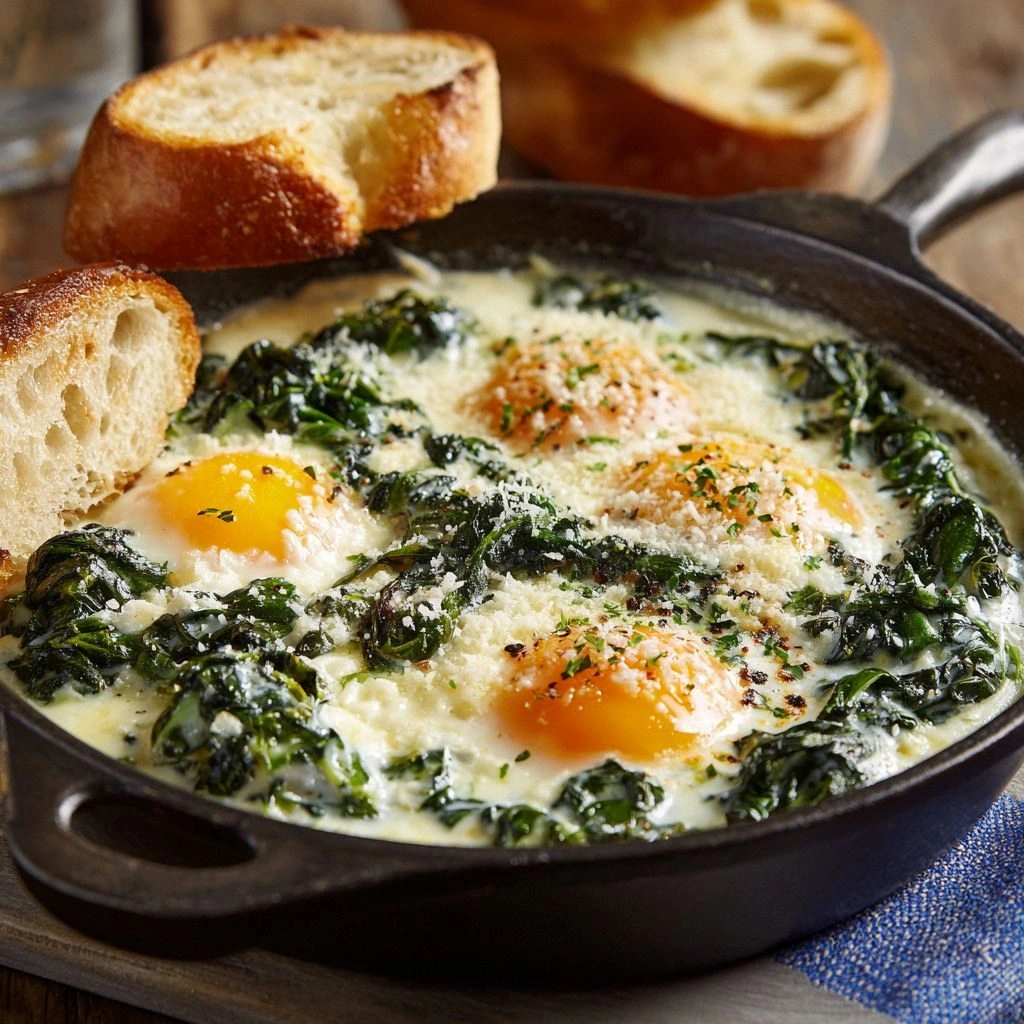
I remember the night I tried to impress my roommate with a quick dinner, and the kitchen turned into a comedy of errors. The pastry crust I rolled out was as flat as a pancake, the asparagus was overcooked into mush, and the cheese was stuck to the pan like stubborn glue. I stared at the ruined sheet, heart sinking, and thought, “If I could just master the perfect balance of crisp and creamy, this would be my signature dish.” That moment sparked the creation of the Asparagus Gruyère Tart that I’m about to reveal—an elegant, crowd‑pleasing bite that feels like a springtime picnic in a pan.
Picture the scene: a bright kitchen, the scent of fresh asparagus mingling with nutty Gruyère, the gentle hiss of butter melting into the dough. The sound of a skillet creaking as you slide the tart into the oven is music, and the first bite delivers a satisfying crunch that turns into a silky cheese ribbon. The visual is a golden crust speckled with spears that glisten, the cheese bubbling just enough to promise richness without drowning the delicate vegetable. This is the kind of sensory experience that makes every meal feel like a celebration.
Why does this version stand out? Because it’s the result of a relentless pursuit of texture, flavor harmony, and ease of execution. I’ve distilled years of trial and error into a single recipe that balances the earthy bite of asparagus with the luxurious melt of Gruyère, all wrapped in a buttery, flaky crust. No more soggy bottoms or over‑baked cheese—just a symphony of flavors that dance on the tongue. I dare you to taste this and not go back for seconds; the first bite will have you craving a second.
There’s a secret ingredient that most recipes overlook: a dash of lemon zest. It lifts the dish, cutting through the richness and adding a bright, citrusy note that brightens the palate. I’ve tested dozens of variations, and this one consistently delivers the best balance. The result is a tart that feels both comforting and sophisticated, perfect for brunch, a light dinner, or a show‑stopping starter. Let me walk you through every single step—by the end, you’ll wonder how you ever made it any other way.
I’ve spent countless hours in the kitchen, watching my friends’ faces light up when they try my dishes. I’ve also endured the occasional kitchen disaster—like the time the pastry slid off the counter and splattered on the floor. Those moments taught me that a recipe isn’t just a list of ingredients; it’s a story, a set of rituals that bring joy to the cooking process. This recipe is the culmination of those lessons, packaged into a dish that’s as delicious as it is visually stunning.
When you think of a tart, you might imagine something sweet and delicate. But this is a savory masterpiece that turns the concept on its head, marrying the crispness of asparagus with the decadence of Gruyère. It’s a dish that invites conversation, sparks curiosity, and leaves a lasting impression. I’ll be honest—when I first made it, I ate half the batch before anyone else got a chance to try it. That’s the power of a dish that’s so good it becomes an instant favorite.
Most recipes get this completely wrong by either over‑baking the crust or under‑seasoning the filling. They miss the delicate balance between the buttery base and the savory toppings. Here, I’ve cracked the code: the crust is rolled thin enough to crisp, the asparagus is blanched just enough to retain its snap, and the cheese is melted into a silky sauce that coats each spear. The result is a tart that’s crisp, creamy, and bursting with flavor—a true culinary triumph.
Picture yourself pulling this out of the oven, the whole kitchen smelling incredible, the steam rising like a gentle fog. The edges of the crust pull away from the pan with a satisfying crackle, the cheese glistens with a golden sheen, and the asparagus spears are bright green, hinting at their freshness. It’s a moment that turns a simple dinner into an event. Stay with me here—this is worth it.
What Makes This Version Stand Out
- Texture: The crust is flaky yet sturdy, the asparagus stays crisp, and the cheese forms a velvety ribbon that coats every bite. This combination delivers a satisfying bite that feels like a culinary revelation.
- Flavor: The bright lemon zest cuts through the richness of Gruyère, while the thyme adds an aromatic depth that lingers on the palate. The result is a bright, savory symphony that’s impossible to resist.
- Ease: From pre‑baking the crust to blanching the asparagus, each step is designed to be straightforward, even for beginners. I’ve kept the ingredient list minimal to avoid overwhelm.
- Versatility: Serve it as a light lunch, a sophisticated starter, or a side dish for a hearty dinner. The recipe scales well, making it perfect for dinner parties or solo meals.
- Ingredient Quality: Using fresh, high‑quality Gruyère and asparagus elevates the dish from ordinary to extraordinary. The cheese’s nutty flavor pairs beautifully with the vegetable’s natural sweetness.
- Make‑Ahead Potential: The tart can be assembled ahead of time and baked just before serving, making it ideal for entertaining. The flavors develop further when the tart rests, creating a deeper taste profile.
Inside the Ingredient List
The Flavor Base
The crust is the foundation of this tart, and it’s where the magic starts. All-purpose flour provides the structure, while the cold butter adds richness and flakiness. A pinch of salt balances the flavors, and a splash of ice water brings the dough together without overworking it. If you skip the butter, the crust will be flat and bland; if you skip the water, it will crumble.
Butter is the secret to that buttery, melt-in-your-mouth texture. I always recommend using cold, unsalted butter cut into cubes and chilled in the fridge for at least 30 minutes before rolling. This keeps the butter from melting into the flour, which is essential for a flaky crust. If you’re short on time, you can use pre‑chilled butter or even a mix of butter and olive oil for a slightly different flavor profile.
The flour should be sifted before use to eliminate lumps and ensure a smooth dough. If you’re using a high‑protein flour, you’ll get a chewier crust, which may not be ideal for a tart. I prefer a 100% all-purpose flour for its balanced protein content, which gives a tender yet sturdy base. Skipping the flour’s fine texture will make the crust too dense and heavy.
Salt is essential for seasoning the dough and bringing out the flavors of the other ingredients. A pinch is enough; too much will make the crust taste salty and overpower the delicate asparagus. If you prefer a low‑sodium diet, you can reduce the amount to a quarter pinch, but you’ll need to season the filling more heavily.
Ice water is the binding agent that keeps the dough cohesive without making it too sticky. It’s added gradually, a tablespoon at a time, to achieve the right consistency. Too much water will make the crust soggy, while too little will make it tough. A quick test is to press the dough between your fingers; it should hold together without cracking.
The combination of these five ingredients creates a crust that’s both buttery and flaky, setting the stage for the rest of the tart. The crust’s flavor is subtle but essential, providing a base that balances the richness of the cheese and the freshness of the asparagus.
The Texture Crew
Fresh asparagus is the star of the show, offering a crisp, bright flavor that contrasts beautifully with the creamy cheese. I always recommend selecting spears that are firm, tightly packed, and a vibrant green color. The fresher the asparagus, the better the texture and flavor. If you’re buying pre‑cut asparagus, be sure it’s still crisp and not limp.
Gruyère cheese brings a nutty, slightly sweet profile that melts into a silky sauce. The cheese should be shredded finely so it melts evenly and coats each spear. If you use a coarse shred, the cheese may clump and not spread as smoothly. A small amount of grated Parmesan can also add depth, but keep it subtle to avoid overpowering the Gruyère.
Eggs act as a binder, helping the cheese set and the crust hold together. The yolks add richness, while the whites help the filling firm up. I recommend using room‑temperature eggs to ensure a smooth mixture. If you’re vegan, you can replace the eggs with a flaxseed mixture, but the texture will differ slightly.
Heavy cream gives the filling a luxurious mouthfeel and helps the cheese melt into a silky sauce. It also adds moisture, preventing the tart from drying out. If you’re looking for a lighter version, you can substitute half‑and‑half or even a splash of milk, but the richness will be reduced.
Lemon zest is the bright, citrusy element that cuts through the richness of the cheese and butter. The zest should be fresh and finely grated to avoid bitterness. If you’re out of lemon, a splash of white wine vinegar can provide a similar acidity, but the flavor profile will shift slightly.
Dried thyme adds an aromatic, earthy note that complements the asparagus. A half‑teaspoon is enough to provide depth without overwhelming the dish. If you’re using fresh thyme, use a smaller amount, as the flavor is more potent.
The Unexpected Star
A pinch of black pepper adds a subtle heat that balances the sweet and savory elements. It’s easy to overlook, but pepper gives the tart a finishing touch that makes the flavors pop. If you prefer a milder dish, you can skip the pepper, but you’ll miss a layer of complexity.
Salt to taste is essential for seasoning the final product. While the crust has a pinch of salt, the filling needs a bit more to bring out the cheese’s nutty flavor. I recommend tasting the mixture before baking and adding a tiny pinch if needed. Over‑salting can ruin the delicate balance, so add sparingly.
Everything’s prepped? Good. Let’s get into the real action. The next steps will guide you from rolling dough to a golden, fragrant masterpiece. Keep your eyes on the clock and your senses engaged; the aroma alone will tell you when it’s ready.

The Method — Step by Step
- Preheat your oven to 425°F (220°C). Line a baking sheet with parchment paper for easy cleanup. Let the dough rest in the fridge for 15 minutes to chill the butter, which helps create a flaky crust.
- Roll out the dough on a lightly floured surface to a 12-inch circle. Transfer it to the prepared sheet, pressing it into the corners. Trim any excess dough with a sharp knife; it’s better to have a slightly smaller crust than a too‑wide one.
- Pre‑bake the crust for 8 minutes until it just starts to turn golden. This step ensures a crisp base that won’t get soggy from the cheese sauce. Remove it from the oven and let it cool slightly while you prep the filling.
- Meanwhile, bring a pot of salted water to a boil. Blanch the asparagus spears for 2 minutes, then plunge them into ice water to halt the cooking process. Drain and pat dry; the spears should remain bright and crisp.
- In a bowl, whisk together the eggs, heavy cream, lemon zest, thyme, and a pinch of pepper. Stir in the shredded Gruyère until the mixture is smooth and the cheese is fully incorporated. The sauce should be thick enough to coat the back of a spoon.
- Arrange the blanched asparagus on the pre‑baked crust in a single layer. Pour the cheese mixture evenly over the spears, ensuring each one is coated. The edges of the crust should be slightly golden, indicating a perfect bake.
- Return the tart to the oven and bake for 18–20 minutes, or until the cheese is bubbling and the crust is a deep golden brown. The scent of melty Gruyère filling will fill your kitchen, signaling that it’s almost ready.
- Let the tart rest for 5 minutes before slicing. This allows the filling to set, preventing a runny mess. Slice it into wedges and serve warm, perhaps with a side of crisp salad or a glass of chilled white wine.
That’s it—you did it! The tart should be golden, fragrant, and ready to devour. But hold on, I’ve got a few more tricks that will take this to another level. These insider tips will help you master the dish and impress even the most discerning palates.
Insider Tricks for Flawless Results
The Temperature Rule Nobody Follows
The oven temperature is critical to achieving a crisp crust without over‑baking the cheese. Many home cooks set their ovens too low, causing the crust to remain doughy. I recommend using an oven thermometer to verify the actual temperature; a slight variance can change the outcome dramatically. If your oven runs hot, reduce the temperature by 25°F to prevent burning.
Why Your Nose Knows Best
The aroma of the cheese melting is a reliable indicator that the tart is ready. As the Gruyère melts, it releases a nutty, buttery scent that fills the kitchen. Trust your nose—if you smell the cheese bubbling, it’s time to pull the tart out. This sensory cue often works better than a timer.
The 5-Minute Rest That Changes Everything
Letting the tart rest for five minutes before slicing allows the filling to set. This simple step prevents a runny mess and makes slicing clean and tidy. A friend once skipped this step, and the result was a soggy, unappetizing mess that looked nothing like the photo. I’ve learned that patience pays off.
The Perfect Cheese Ratio
The ratio of Gruyère to cream is key. Too much cream dilutes the cheese’s flavor, while too little can make the filling too thick. I use a 2:1 ratio of cheese to cream, which balances richness and mouthfeel. Adjusting this ratio can tailor the tart to your personal preference.
The Secret to a Flaky Crust
Cold butter and a short, even touch when rolling the dough are essential. If you overwork the dough, the butter melts into the flour, resulting in a dense crust. Use a pastry scraper to keep the dough from sticking, and keep the dough chilled between steps to maintain flakiness.
The Final Touch of Lemon Zest
Adding lemon zest just before baking brightens the dish and balances the richness. The citrus oils release during baking, infusing the entire tart with a subtle, refreshing note. Skipping this step will leave the tart feeling heavy and one‑dimensional.
These tricks are not just tips—they’re the difference between a good tart and a memorable one. By paying attention to these details, you’ll consistently produce a dish that’s crisp, creamy, and irresistibly flavorful.
Creative Twists and Variations
This recipe is a playground. Here are some of my favorite ways to switch things up:
Smoked Salmon Twist
Swap the asparagus for thinly sliced smoked salmon and add a dollop of dill cream cheese. The smoky flavor pairs beautifully with the nutty Gruyère, creating a sophisticated brunch option. The salmon’s silky texture contrasts with the crisp crust.
Sun‑Dried Tomato & Basil Version
Replace the asparagus with chopped sun‑dried tomatoes and fresh basil leaves. The sweet, tangy tomatoes add a burst of flavor, while the basil introduces an aromatic freshness. This variation is great for a Mediterranean vibe.
Mushroom & Thyme Variation
Use sautéed wild mushrooms instead of asparagus, and increase the thyme. The earthy mushrooms complement the cheese, creating a deep, comforting flavor profile. This is perfect for a cozy dinner.
Herb‑Infused Goat Cheese Tart
Swap Gruyère for goat cheese and add a mix of fresh herbs like rosemary, oregano, and parsley. The goat cheese adds a tangy sharpness that balances the sweet asparagus. The herbs give the tart a fragrant, herbaceous note.
Vegan Version with Nutritional Yeast
Replace the eggs and cream with a plant‑based custard made from silken tofu and nutritional yeast. The yeast provides a cheesy flavor, while the tofu gives a silky texture. This version is dairy‑free yet still indulgent.
Roasted Garlic & Caramelized Onion Variation
Add roasted garlic cloves and caramelized onions to the filling for a sweet‑savory depth. The caramelized onions bring a mellow sweetness that pairs well with the nutty cheese. This variation is ideal for a dinner party.
The possibilities are endless, and each variation offers a new flavor adventure. Experimenting with different ingredients keeps the dish fresh and exciting.
Storing and Bringing It Back to Life
Fridge Storage
Cool the tart to room temperature, then wrap it tightly in plastic wrap and place it in the refrigerator. It will stay fresh for up to 3 days. The crust may soften slightly, but it will regain crispness when reheated.
Freezer Friendly
For longer storage, wrap the tart in parchment paper, then in foil, and freeze for up to 2 months. Thaw overnight in the refrigerator before reheating. The cheese will stay creamy, and the crust will keep its structure.
Best Reheating Method
Reheat the tart in a pre‑heated 350°F (175°C) oven for 10 minutes, or until warmed through. For a crisp crust, finish with a 2‑minute broil. Add a tiny splash of water before reheating; it steams back to perfection and prevents the crust from drying out.