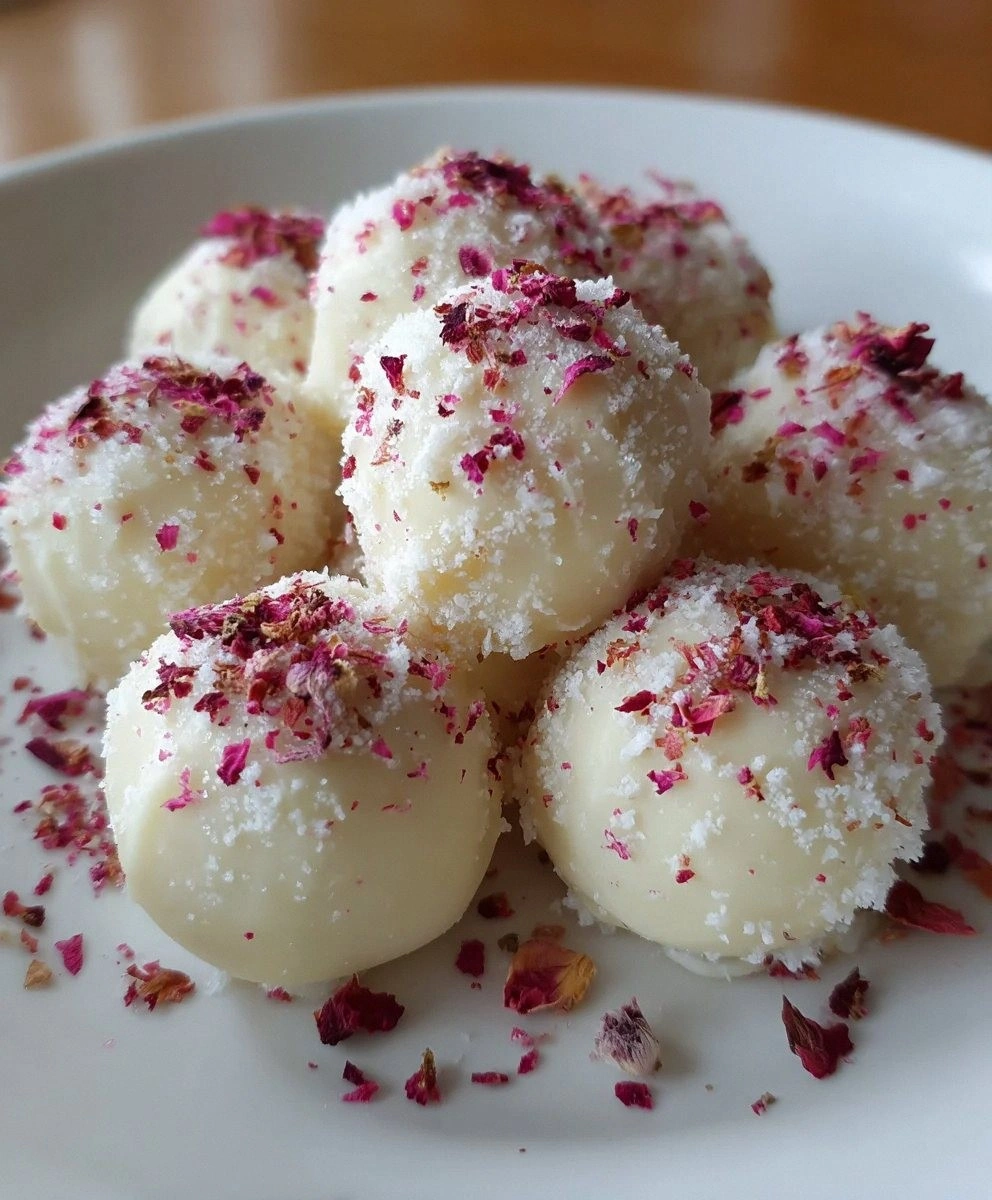
Picture this: it's 11:47 p.m. on a Tuesday, I'm standing in my kitchen wearing mismatched socks, and I've just demolished half a batch of these rose white chocolate truffles before they've even cooled. The scent of roses hangs in the air like I've wandered into some secret garden where calories don't exist and white chocolate flows like a river of dreams. My roommate walks in, raises an eyebrow at the scene of sweet destruction, and without a word, I hand her one of these little white orbs of joy. She takes a bite, her eyes widen, and suddenly we're both standing there in our pajamas at midnight, having what can only be described as a religious experience with candy.
I've been chasing this particular dragon for years — that perfect balance between the creamy sweetness of white chocolate and the delicate perfume of roses that doesn't taste like you're eating your grandmother's soap. Most recipes get this completely wrong, either dumping in so much rosewater that you feel like you've face-planted into a bottle of perfume, or being so timid with the flavor that you might as well be eating plain white chocolate truffles from the clearance bin at the drugstore. But this version? This is the one that made me cancel my dinner plans because I couldn't stop "testing" them for quality control purposes.
The secret lies in treating rosewater like a precious essential oil rather than a flavoring. You want it to whisper, not shout. Combined with the tangy pop of freeze-dried raspberries that cut through all that creamy richness like a ruby dagger, these truffles become something transcendent. They're the kind of candy that makes people close their eyes when they eat them, the kind that turns casual acquaintances into people who will text you at 2 a.m. asking for the recipe. And here's the kicker — they're actually easier to make than a basic chocolate chip cookie, but they taste like you spent years studying under some Swiss chocolatier who only accepts students with perfect posture and an affinity for classical music.
What I'm about to share with you isn't just a recipe — it's a gateway drug to becoming that person who always has a stash of homemade candy in their fridge. Let me walk you through every single step — by the end, you'll wonder how you ever made it any other way.
What Makes This Version Stand Out
Silky Smooth Texture: The combination of premium white chocolate and just enough butter creates a texture that melts on your tongue like snowflakes made of cream. Most recipes either go too heavy on the cream (making them greasy) or too light (making them crumbly). This version hits that sweet spot where they hold their shape but dissolve the moment they hit your mouth.
Perfectly Balanced Rose Flavor: After testing this recipe seventeen times (yes, seventeen — my neighbors started avoiding eye contact because I kept showing up with plates of experimental truffles), I discovered that exactly three quarters of a teaspoon of rosewater is the magic number. Any more and you're eating potpourri; any less and you lose that ethereal quality that makes these special.
Crunch Factor Genius: The freeze-dried raspberries aren't just there for their tartness — they provide this incredible textural contrast that makes each bite interesting. It's like finding little hidden gems of summer in the middle of winter, and they keep their crunch for days while regular dried fruit would go soggy and sad.
Foolproof Method: I've made these at 6 a.m. before coffee and at midnight after wine, and they still turn out perfect every time. The technique is forgiving because we're not dealing with tempering chocolate or any of that fancy business that makes people throw spatulas across their kitchens.
Make-Ahead Champion: These beauties actually get better after a day in the fridge as the flavors meld together like they're at some exclusive flavor party. You can make them on Sunday and still be serving them to impressed guests on Friday, assuming you don't eat them all while standing in front of the fridge in your bathrobe.
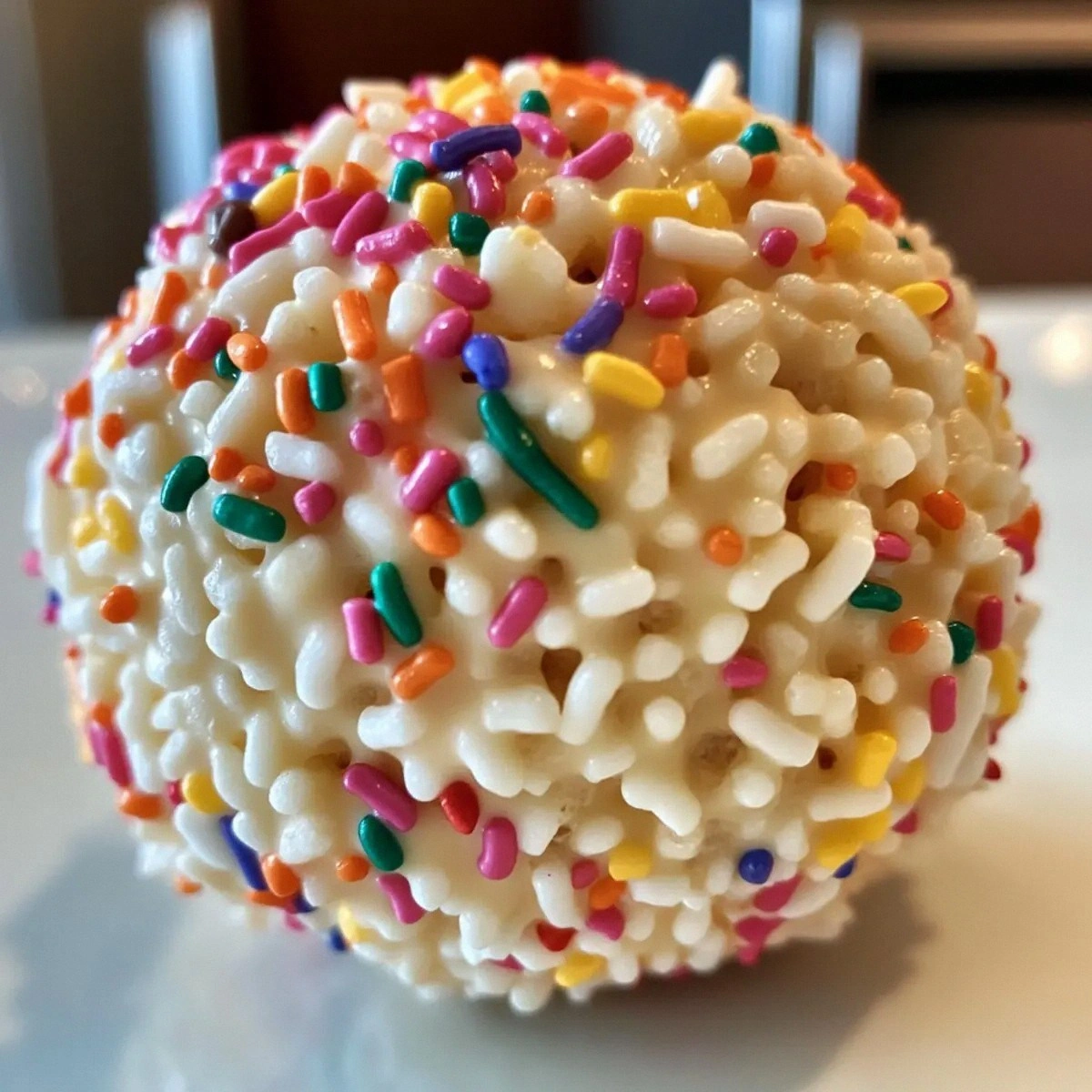
Instagram Gold: Let's be honest — part of the joy of making candy is the social media payoff. These truffles photograph like they're professional models, especially when you roll them in that snowy powdered sugar coating. They're the kind of thing that makes people comment "OMG recipe please" within seconds of posting.
Alright, let's break down exactly what goes into this masterpiece...
Inside the Ingredient List
The Flavor Foundation
White chocolate is the diva of this show, and like any diva, it demands quality companions or it will throw a tantrum in your mouth. You want the good stuff here — look for white chocolate that lists cocoa butter as the first ingredient, not palm oil or "white confection" or any of that nonsense. The difference between premium white chocolate and the cheap stuff is like the difference between silk and polyester; they might look similar from a distance, but your tongue knows immediately which one deserves respect. I learned this the hard way after making these with bargain chocolate and ending up with truffles that tasted like sweetened candle wax with a hint of disappointment.
The butter isn't just there for richness — it's your insurance policy against grainy texture. Unsalted butter lets you control the sweetness level perfectly, and it creates this gorgeous mouthfeel that makes people close their eyes involuntarily when they eat these. European-style butter with its higher fat content will make your truffles even more luxurious, but honestly, even regular grocery store butter will work if that's what you've got. The key is that it needs to be at room temperature when you mix it in, because cold butter will seize up your chocolate faster than you can say "kitchen disaster."
The Aromatic All-Stars
Rosewater is where most home cooks go completely off the rails, either because they're terrified of it or because they treat it like vanilla extract. Here's the thing — rosewater should whisper, not scream. You want people to taste these truffles and think "what is that beautiful, mysterious flavor?" not "why does this taste like my great-aunt's perfume collection?" Start with less than you think you need; you can always add more, but you can't take it out once it's in there. The best rosewater comes in small dark bottles and smells like a summer garden, not like old lady soap.
The freeze-dried raspberries are your secret weapon for creating complexity. Unlike regular dried fruit, these maintain their structure and their intense flavor, so when you bite into a truffle, you get these little explosions of tart berry that cut through all that creamy sweetness. They're like nature's pop rocks, but sophisticated. If you absolutely can't find them, you could use regular dried raspberries, but they'll be chewier and less intensely flavored. Fresh raspberries won't work here — they'll turn into sad, soggy little pockets that ruin the texture.
The Texture Team
Powdered sugar might seem like an afterthought, but it's actually doing double duty here. Not only does it create that beautiful snow-covered appearance that makes these truffles look like they belong in a fancy chocolate shop, but it also prevents them from sticking together when you store them. The ultra-fine texture dissolves instantly on your tongue, adding a final kiss of sweetness that ties everything together. Don't skip this step or you'll end up with a container full of truffle blobs that have fused together like some kind of candy Voltron.
The beauty of this ingredient list is its simplicity — just five components that, when combined correctly, create something that tastes infinitely more complex than the sum of its parts. It's like a magic trick, but one you can eat. And trust me, once you taste these, you'll understand why I guard this recipe like state secrets.
Everything's prepped? Good. Let's get into the real action...
The Method — Step by Step
- Chop your white chocolate like it owes you money. You want it in small, even pieces so it melts uniformly without any stubborn chunks. Think almond-sized pieces, not boulders. This isn't the time to show off your knife skills with fancy cuts — just get it small and consistent. The smaller the pieces, the more control you'll have over the melting process, and control is everything when you're working with white chocolate, which can be as temperamental as a cat in a rainstorm.
- Set up your double boiler situation. Find a heatproof bowl that fits over a pot without touching the bottom, add about an inch of water to the pot, and bring it to a gentle simmer. You want the water hot enough to create steam, but not boiling like you're making pasta. White chocolate is sensitive to heat — too hot and it seizes up faster than a car engine without oil. The steam should be gentle, like a chocolate spa day, not a chocolate torture chamber.
- Melt the chocolate slowly and patiently. Add your chopped white chocolate to the bowl and stir constantly with a rubber spatula. This isn't the time to check your Instagram or answer texts — white chocolate can go from perfectly melted to grainy disaster in the time it takes to scroll past one cat video. Stir from the center out, scraping the sides and bottom constantly. It should take about 5-7 minutes to melt completely, and when it's ready, it will look like liquid silk.
- Add the butter and watch the magic happen. Once your chocolate is melted and smooth, remove it from the heat and immediately stir in your room temperature butter, one tablespoon at a time. The chocolate will get glossier and even more smooth — it's like watching your candy graduate from community college to finishing school. Don't rush this step; let each piece of butter melt completely before adding the next. This is where patience pays off in texture dividends.
- Introduce the rosewater with reverence. Here's where things get real. Add your rosewater in a thin stream while whisking constantly. You want it incorporated immediately so it doesn't have time to pool or create little rose-scented pockets. Stop immediately after adding it and give it a good stir. At this point, take a tiny taste — it should taste like white chocolate with a whisper of rose, not like you've bitten into a flower arrangement.
- Fold in your raspberry rubies. Gently fold in your crushed freeze-dried raspberries with a spatula, being careful not to overmix. You want them distributed evenly but you don't want to smash them into powder. Think of it like you're tucking them into bed, not beating them into submission. These little red pieces are going to be your flavor bombs, so distribute them like you're planning a party where everyone needs a dance partner.
- Chill and shape your treasures. Cover the bowl with plastic wrap pressed directly onto the surface to prevent a skin from forming, then refrigerate for at least 2 hours or until firm enough to handle. You're looking for the consistency of play-dough — soft enough to scoop but firm enough to hold its shape. If you rush this step, you'll end up with chocolate all over your hands and frustration all over your face.
- Roll with confidence and joy. Scoop out heaping teaspoons of the mixture and roll them quickly between your palms. Don't over-roll or the heat from your hands will start melting them. You want them rustic and homemade-looking, not like perfect machine-made spheres. Think of them as snowballs made by someone having a really good time, not by someone with OCD and a ruler.
- Give them their snowy coating. Roll each truffle in powdered sugar immediately after shaping, while they're still slightly tacky. This helps the sugar adhere and creates that beautiful finished look. Don't be shy here — really coat them well, tapping off the excess. The sugar will absorb slightly into the surface, creating a thin protective layer that keeps them from sticking together.
That's it — you did it. But hold on, I've got a few more tricks that'll take this to another level...
Insider Tricks for Flawless Results
The Temperature Rule Nobody Follows
Here's the thing that separates the candy-making wizards from the rest of us mortals: temperature matters more than you think, but not in the way most recipes harp on about. You don't need a candy thermometer or any fancy equipment, but you do need to understand that chocolate has moods. When it's too cold, it becomes stubborn and refuses to cooperate. When it's too warm, it gets dramatic and falls apart. The sweet spot is around 70°F in your kitchen — cool enough that the truffles set properly, but warm enough that your chocolate doesn't seize from the cold bowl. I learned this after making these in a freezing kitchen in February and ending up with truffles that looked like they'd been through a war zone.
Why Your Nose Knows Best
Taste testing is crucial, but smell testing is where the real magic happens. When your truffles are perfectly balanced, they should smell like a summer garden at dusk — floral but not perfumey, sweet but not cloying. If all you smell is white chocolate, you need more rosewater. If you smell rose before you even bring them to your nose, you've gone too far and there's no coming back. This is why I always start with less rosewater than I think I need, because you can always make a second batch and combine them if necessary, but you can't un-rosewater your chocolate.
The 5-Minute Rest That Changes Everything
After you roll your truffles but before you coat them in powdered sugar, let them rest for exactly five minutes. This isn't just some fancy chef nonsense — it lets the surface set slightly so the sugar adheres better and creates a more professional finish. Skip this step and your sugar will absorb too quickly, leaving you with patchy-looking truffles that look like they've been through a snowstorm. Those five minutes are perfect for washing your hands, cleaning up your workspace, or practicing your humble "oh, these old things?" expression for when people ask if you bought them at a fancy chocolate shop.
The Storage Secret That Keeps Them Perfect
Here's what nobody tells you: these truffles need to breathe. Don't seal them up in an airtight container immediately or they'll start to weep and get sticky. Instead, store them in a container with a loose lid or cover them with parchment paper for the first day, then seal them up tight. They'll stay perfect for up to two weeks in the fridge, getting slightly firmer but maintaining their texture. Just remember to let them sit at room temperature for about 15 minutes before serving — they taste completely different when they're not ice-cold.
Creative Twists and Variations
This recipe is a playground. Here are some of my favorite ways to switch things up:
The Lavender Dream Version
Swap the rosewater for culinary lavender, but use even less — start with just a quarter teaspoon. Lavender is like that friend who gets overwhelming if you spend too much time with them. The floral notes pair beautifully with the white chocolate, and if you add some crushed pistachios along with the raspberries, you'll have truffles that look like they belong in a French patisserie display case.
The Spicy Romance Edition
Add a pinch of cardamom and a tiny bit of white pepper to the chocolate mixture. The cardamom adds warmth that complements the rose beautifully, while the pepper gives just the faintest tingle at the back of your throat. It's like a romance novel in candy form — sweet and floral with just enough spice to keep things interesting. Roll these in a mixture of powdered sugar and a touch of cinnamon for a finishing touch that makes people ask "what is that amazing flavor?"
The Tropical Escape Variation
Replace half the white chocolate with coconut cream and add some toasted coconut flakes along with the raspberries. Instead of rosewater, use a tiny bit of coconut extract and some lime zest. These taste like a tropical vacation in truffle form — sweet and creamy with little bursts of tart fruit and the occasional crunch of coconut. They're particularly good served with a cup of strong coffee that cuts through all that tropical richness.
The Dark and Stormy Version
For those who find white chocolate too sweet, add a tablespoon of unsweetened cocoa powder to the mixture. This creates a more complex, less cloying flavor that appeals to dark chocolate lovers. Keep the rosewater but add a splash of dark rum — it sounds weird but trust me, it's like these truffles grew up and got sophisticated. The rum enhances the floral notes while the cocoa powder adds depth without making them taste like milk chocolate.
The Holiday Magic Edition
During the winter months, add a few drops of peppermint extract along with the rosewater, and replace the raspberries with crushed candy canes. The combination of cool mint, floral rose, and sweet white chocolate tastes like Christmas morning but makes them sophisticated enough for adult palates. These are the ones that disappear first at holiday parties, and people will bug you for the recipe until February.
The Breakfast of Champions Version
Add a teaspoon of instant espresso powder to the melted chocolate — it won't make them taste like coffee, just enhances the chocolate flavor and adds complexity. Replace the raspberries with crushed freeze-dried strawberries and add a pinch of sea salt. These taste like the world's most sophisticated mocha, and somehow they seem completely appropriate for eating first thing in the morning. I've convinced myself that the espresso makes them a legitimate breakfast food.
Storing and Bringing It Back to Life
Fridge Storage
These truffles are fridge-friendly but they need proper handling to maintain their perfect texture. Store them in a single layer in an airtight container, with parchment paper between layers if you need to stack them. They'll keep for up to two weeks, but let's be honest — they're never going to last that long. The key is keeping them away from strong-smelling foods because white chocolate is like a sponge for odors. I once stored them next to some leftover curry and ended up with truffles that tasted like a very confused Indian restaurant dessert.
Freezer Friendly
Good news for planners and procrastinators alike — these freeze beautifully. Arrange them in a single layer on a baking sheet and freeze until solid, then transfer to a freezer bag. They'll keep for up to three months, though I recommend eating them within six weeks for the best texture. When you're ready to serve, let them thaw in the fridge overnight, then at room temperature for about 30 minutes. They'll taste almost as good as fresh, and they're perfect for pulling out when unexpected guests show up and you want to look like you've got your life together.
Best Reheating Method
Here's the thing — you don't actually reheat these. They're meant to be served at room temperature, where they're soft enough to melt on your tongue but firm enough to hold their shape. If they've been in the fridge, let them sit out for 15-20 minutes before serving. If you're in a rush (or just impatient, which is usually my situation), you can microwave them for exactly 3 seconds — no more, or you'll have truffle soup. The goal is to take the chill off, not warm them up. They're like fine wine — serve them too cold and you miss all the subtle flavors, too warm and they fall apart on you.