
Roast Turkey Breast
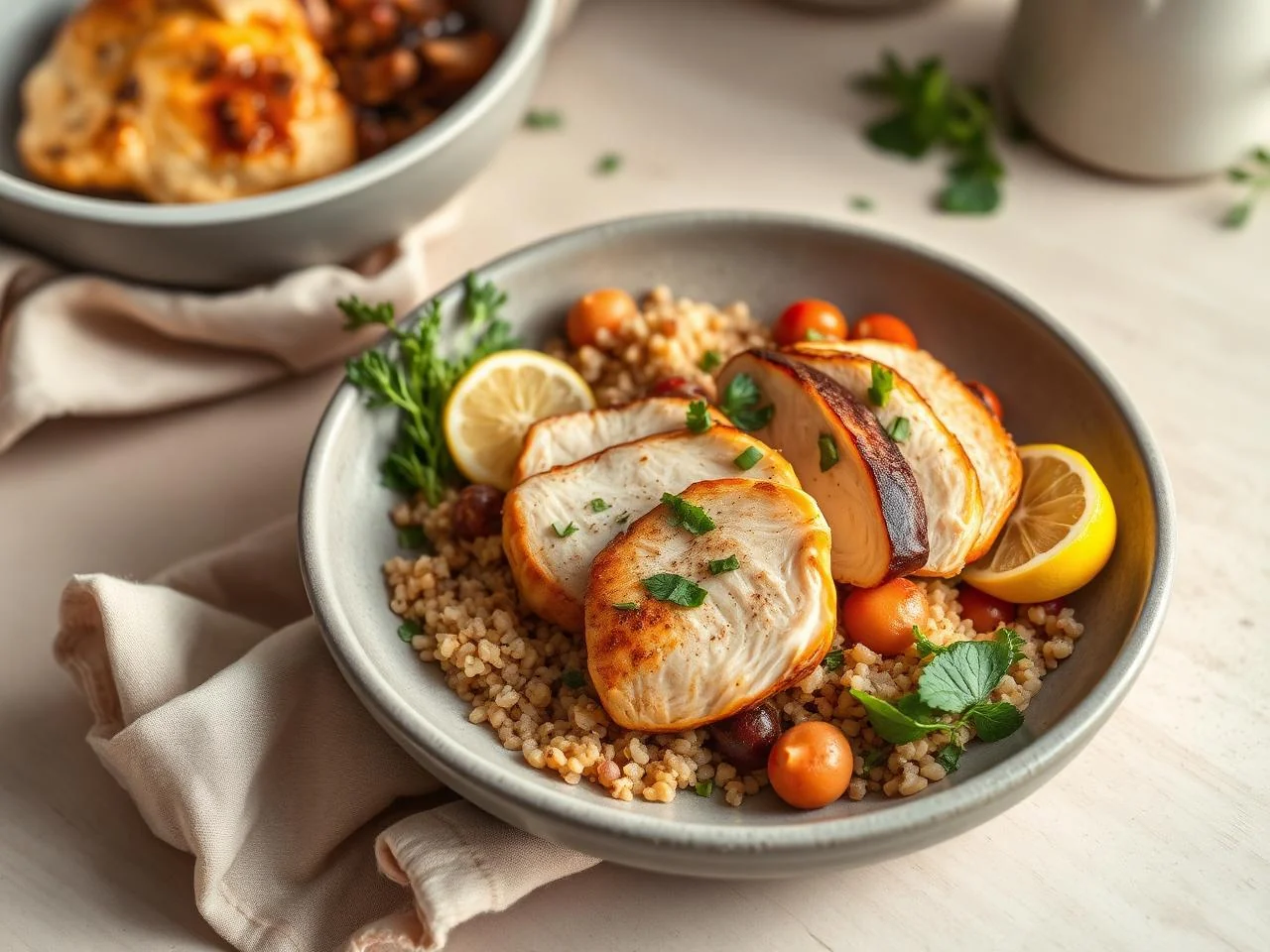
As a home cook, I'm always on the lookout for recipes that are both delicious and easy to make. One of my favorite dishes to prepare is a classic Roast Turkey Breast. There's something special about a perfectly roasted turkey breast, with its crispy skin and juicy interior. In this recipe, I'll show you how to make a mouth-watering Roast Turkey Breast that's sure to impress your family and friends.
I remember the first time I made a roast turkey breast. I was a bit intimidated by the thought of cooking a whole turkey, but I decided to start with a smaller, more manageable cut. The result was amazing - the turkey was moist and flavorful, with a beautiful golden-brown crust. From that day on, I was hooked on roast turkey breast.
This recipe is perfect for anyone looking for a simple and delicious meal. The best part is that it's incredibly versatile - you can serve it with a variety of sides, from mashed potatoes and stuffing to roasted vegetables and salads. Whether you're cooking for a special occasion or just a weeknight dinner, this Roast Turkey Breast recipe is sure to become a favorite.
So, what makes this recipe so special? For starters, it's incredibly easy to make. The ingredients are simple, and the instructions are straightforward. But what really sets this recipe apart is the technique. By using a combination of high heat and careful temperature control, we can achieve a beautifully roasted turkey breast with a crispy skin and a juicy interior.
In this recipe, we'll cover everything you need to know to make a delicious Roast Turkey Breast. From the ingredients and equipment to the cooking technique and serving suggestions, we'll take a step-by-step approach to ensure that your dish turns out perfectly. So, let's get started!
Why You’ll Love This Recipe
- This recipe is easy to make and requires minimal ingredients.
- The Roast Turkey Breast is perfect for any occasion, from weeknight dinners to special holidays.
- The dish is highly versatile and can be served with a variety of sides.
- The recipe is perfect for beginners, as it's easy to follow and requires minimal cooking expertise.
- The Roast Turkey Breast is a healthy and nutritious option, as it's low in fat and high in protein.
- The recipe can be made ahead of time, making it perfect for busy home cooks.
Why This Recipe Works
The key to a great Roast Turkey Breast is in the cooking technique. By using a high heat to sear the skin, we can create a crispy, golden-brown crust that's both flavorful and visually appealing. At the same time, we need to make sure that the interior of the turkey stays moist and juicy. This is where the temperature control comes in - by cooking the turkey to a safe internal temperature of 165 F (74 C), we can ensure that it's cooked through without drying out.
Another important factor in this recipe is the use of aromatics. By adding onions, carrots, and celery to the roasting pan, we can create a rich and savory flavor profile that complements the turkey perfectly. The aromatics also help to keep the turkey moist, by releasing their juices and steam during the cooking process.
Finally, it's worth noting that this recipe is highly versatile. You can serve the Roast Turkey Breast with a variety of sides, from classic mashed potatoes and stuffing to roasted vegetables and salads. You can also use the leftovers to make a delicious turkey sandwich or soup.
Ingredients You’ll Need
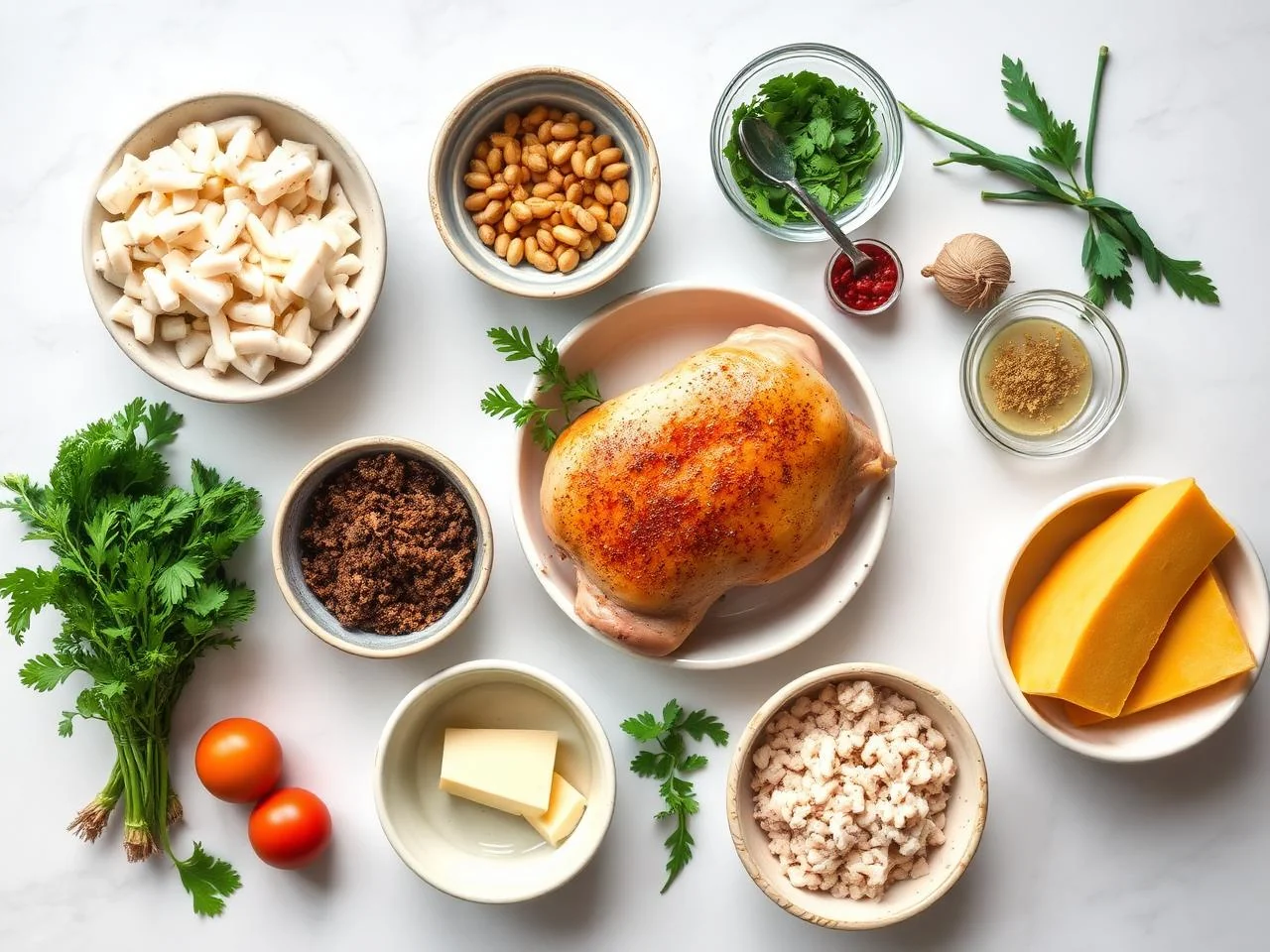
To make this delicious Roast Turkey Breast, you'll need a few simple ingredients. The most important ingredient is, of course, the turkey breast itself. You'll also need some aromatics, such as onions, carrots, and celery, to add flavor to the dish. Finally, you'll need some olive oil, salt, and pepper to bring everything together.
When shopping for the ingredients, be sure to choose a high-quality turkey breast. Look for a breast that's fresh and has a good balance of white and dark meat. You should also choose aromatics that are fresh and flavorful, as they'll add a lot of depth to the dish.
- 1 (4-6 pound) whole turkey breast, bonelessLook for a fresh turkey breast with a good balance of white and dark meat. Make sure to remove the giblets and neck from the cavity before cooking.
- 2 tablespoons olive oilUse a high-quality olive oil that's rich in flavor and has a smooth texture. You can also use other oils, such as avocado or grapeseed, if you prefer.
- 1 large onion, choppedChoose a sweet onion, such as Vidalia or Maui, for the best flavor. Make sure to chop the onion finely, so it cooks evenly and adds flavor to the dish.
- 3 cloves garlic, mincedUse fresh garlic for the best flavor. You can also use garlic powder or garlic salt if you prefer, but fresh garlic is always best.
- 2 medium carrots, peeled and choppedChoose fresh carrots that are firm and have a bright orange color. Make sure to chop them finely, so they cook evenly and add flavor to the dish.
- 2 stalks celery, choppedUse fresh celery for the best flavor. Make sure to chop it finely, so it cooks evenly and adds flavor to the dish.
- 1 teaspoon dried thymeUse fresh or dried thyme, depending on your preference. Thyme adds a savory flavor to the dish and pairs well with the turkey and aromatics.
- 1 teaspoon saltUse kosher salt or sea salt for the best flavor. Make sure to use a light hand, as you can always add more salt but it's harder to remove it once it's added.
- 1/2 teaspoon black pepperUse freshly ground black pepper for the best flavor. Make sure to use a light hand, as you can always add more pepper but it's harder to remove it once it's added.
- 1/4 cup chicken brothUse low-sodium chicken broth for the best flavor. You can also use turkey broth or stock if you prefer.
- 2 tablespoons butterUse unsalted butter for the best flavor. You can also use other fats, such as olive oil or avocado oil, if you prefer.
Equipment You’ll Need
How to Make Roast Turkey Breast
- 1Preheat your oven to 425 F (220 C).
- 2Rinse the turkey breast and pat it dry with paper towels. Remove the giblets and neck from the cavity.
- 3In a small bowl, mix together the olive oil, thyme, salt, and pepper. Rub the mixture all over the turkey breast, making sure to get some under the skin as well.
- 4Stuff the cavity of the turkey breast with the chopped onion, garlic, carrots, and celery.
- 5Place the turkey breast in a large roasting pan, breast side up. Pour the chicken broth into the bottom of the pan.
- 6Put the roasting pan in the oven and roast the turkey for 20 minutes.
- 7After 20 minutes, reduce the oven temperature to 375 F (190 C) and continue roasting the turkey for another 20-25 minutes, or until it reaches an internal temperature of 165 F (74 C).
- 8Baste the turkey with the pan juices every 20-30 minutes to keep it moist and promote even browning.
- 9When the turkey is done, remove it from the oven and let it rest for 10-15 minutes before carving.
- 10While the turkey is resting, melt the butter in a small saucepan over medium heat. Brush the melted butter all over the turkey breast, then carve and serve.
- 11Use an instant-read thermometer to check the internal temperature of the turkey. Make sure it reaches 165 F (74 C) in the thickest part of the breast.
- 12Let the turkey rest for 10-15 minutes before carving and serving. This will help the juices to redistribute, making the turkey even more tender and flavorful.
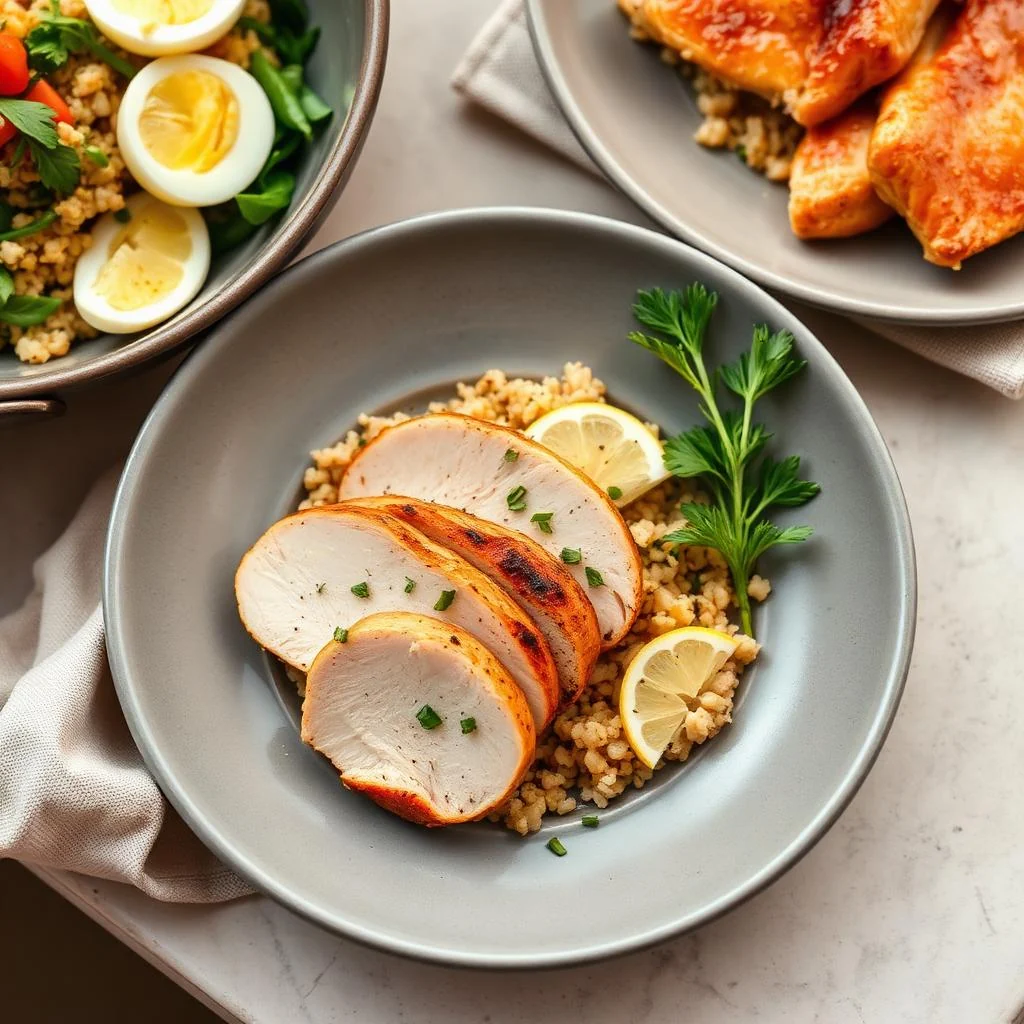
- 13Carve the turkey breast against the grain, using a sharp knife. Serve with your choice of sides, such as mashed potatoes, stuffing, or roasted vegetables.
Expert Tips
- Make sure to let the turkey rest for 10-15 minutes before carving. This will help the juices to redistribute, making the turkey even more tender and flavorful.
- Use a meat thermometer to ensure the turkey reaches a safe internal temperature of 165 F (74 C).
- Don't overcrowd the roasting pan, as this can affect the even cooking of the turkey. If necessary, use a larger pan or cook the turkey in batches.
- Let the turkey come to room temperature before cooking. This will help it cook more evenly and prevent it from drying out.
- Use a variety of aromatics, such as onions, carrots, and celery, to add flavor to the dish. You can also use other aromatics, such as leeks or parsnips, if you prefer.
- Don't be afraid to experiment with different seasonings and spices. You can use herbs like thyme, rosemary, or sage to add a savory flavor to the dish.
- Make sure to baste the turkey with the pan juices every 20-30 minutes to keep it moist and promote even browning.
- If you're using a convection oven, you may need to adjust the cooking time and temperature. Consult your oven's user manual for more information.
Common Mistakes to Avoid
- Not letting the turkey rest for 10-15 minutes before carving. This can cause the juices to run out, making the turkey dry and tough.
- Overcrowding the roasting pan, which can affect the even cooking of the turkey.
- Not using a meat thermometer to ensure the turkey reaches a safe internal temperature of 165 F (74 C).
- Not basting the turkey with the pan juices every 20-30 minutes, which can cause it to dry out.
- Not letting the turkey come to room temperature before cooking, which can cause it to cook unevenly.
- Using low-quality ingredients, such as old or stale spices, which can affect the flavor of the dish.
Variations and Substitutions
- Try using different aromatics, such as leeks or parsnips, to add flavor to the dish.
- Use a variety of seasonings and spices, such as herbs or spices, to add a savory flavor to the dish.
- Add some acidity, such as lemon juice or vinegar, to balance out the richness of the dish.
- Use a different type of oil, such as avocado or grapeseed, to add a unique flavor to the dish.
- Try using a different cooking method, such as grilling or pan-frying, to add a crispy texture to the dish.
- Add some heat, such as red pepper flakes or hot sauce, to give the dish a spicy kick.
- Use a variety of cheeses, such as cheddar or parmesan, to add a rich and creamy flavor to the dish.
What to Serve With Roast Turkey Breast
The Roast Turkey Breast is a versatile dish that can be served with a variety of sides. Some popular options include mashed potatoes, stuffing, roasted vegetables, and salads. You can also use the leftovers to make a delicious turkey sandwich or soup.
When serving the turkey, make sure to carve it against the grain, using a sharp knife. This will help to ensure that the turkey is tender and flavorful. You can also serve the turkey with a variety of sauces, such as gravy or cranberry sauce, to add extra flavor to the dish.
Make-Ahead, Storage, Freezing and Reheating
The Roast Turkey Breast can be stored in the refrigerator for up to 3 days or frozen for up to 2 months. To store the turkey, make sure to wrap it tightly in plastic wrap or aluminum foil and place it in a covered container. You can also use a vacuum sealer to remove the air and prevent freezer burn.
When reheating the turkey, make sure to use a low oven temperature, such as 300 F (150 C), to prevent it from drying out. You can also use a microwave or stovetop to reheat the turkey, but be careful not to overheat it. It's also a good idea to add a little bit of moisture, such as chicken broth or gravy, to the turkey to keep it moist and flavorful.
To freeze the turkey, make sure to wrap it tightly in plastic wrap or aluminum foil and place it in a covered container. You can also use a vacuum sealer to remove the air and prevent freezer burn. When you're ready to reheat the turkey, simply thaw it overnight in the refrigerator and reheat it in the oven or microwave.
Frequently Asked Questions
What is the best way to cook a turkey breast?
The best way to cook a turkey breast is to roast it in the oven, using a combination of high heat and careful temperature control. This will help to create a crispy, golden-brown crust on the outside, while keeping the interior moist and juicy.
How do I know when the turkey is done?
The best way to know when the turkey is done is to use a meat thermometer to check the internal temperature. The turkey should reach an internal temperature of 165 F (74 C) in the thickest part of the breast. You can also check the turkey's juices, which should run clear when it's fully cooked.
Can I cook a turkey breast in a slow cooker?
Yes, you can cook a turkey breast in a slow cooker. Simply place the turkey breast in the slow cooker, add some aromatics and seasonings, and cook on low for 6-8 hours. This is a great option for busy home cooks who want to come home to a delicious, ready-to-eat meal.
How do I store leftover turkey?
The best way to store leftover turkey is to wrap it tightly in plastic wrap or aluminum foil and place it in a covered container. You can store the turkey in the refrigerator for up to 3 days or freeze it for up to 2 months. When reheating the turkey, make sure to use a low oven temperature and add a little bit of moisture to keep it moist and flavorful.
Can I make a turkey breast ahead of time?
Yes, you can make a turkey breast ahead of time. Simply cook the turkey breast as directed, then let it cool to room temperature. Wrap the turkey tightly in plastic wrap or aluminum foil and refrigerate or freeze it until you're ready to serve. When you're ready to serve, simply reheat the turkey in the oven or microwave and carve it against the grain.
What are some good sides to serve with a turkey breast?
Some popular sides to serve with a turkey breast include mashed potatoes, stuffing, roasted vegetables, and salads. You can also use the leftovers to make a delicious turkey sandwich or soup.
Can I use a different type of oil to cook the turkey?
Yes, you can use a different type of oil to cook the turkey. Some good options include avocado oil, grapeseed oil, and olive oil. Simply brush the oil over the turkey breast before cooking to add flavor and moisture.
How do I prevent the turkey from drying out?
The best way to prevent the turkey from drying out is to use a combination of high heat and careful temperature control. This will help to create a crispy, golden-brown crust on the outside, while keeping the interior moist and juicy. You can also baste the turkey with the pan juices every 20-30 minutes to keep it moist and promote even browning.
Can I cook a turkey breast in a convection oven?
Yes, you can cook a turkey breast in a convection oven. Simply follow the same instructions as for a traditional oven, but reduce the cooking time by about 25%. This will help to ensure that the turkey is cooked evenly and doesn't dry out.
Ingredients
- 1 (4-6 pound) whole turkey breast, boneless
- 2 tablespoons olive oil
- 1 large onion, chopped
- 3 cloves garlic, minced
- 2 medium carrots, peeled and chopped
- 2 stalks celery, chopped
- 1 teaspoon dried thyme
- 1 teaspoon salt
- 1/2 teaspoon black pepper
- 1/4 cup chicken broth
- 2 tablespoons butter
Instructions
- Preheat your oven to 425 F (220 C).
- Rinse the turkey breast and pat it dry with paper towels. Remove the giblets and neck from the cavity.
- In a small bowl, mix together the olive oil, thyme, salt, and pepper. Rub the mixture all over the turkey breast, making sure to get some under the skin as well.
- Stuff the cavity of the turkey breast with the chopped onion, garlic, carrots, and celery.
- Place the turkey breast in a large roasting pan, breast side up. Pour the chicken broth into the bottom of the pan.
- Put the roasting pan in the oven and roast the turkey for 20 minutes.
- After 20 minutes, reduce the oven temperature to 375 F (190 C) and continue roasting the turkey for another 20-25 minutes, or until it reaches an internal temperature of 165 F (74 C).
- Baste the turkey with the pan juices every 20-30 minutes to keep it moist and promote even browning.
- When the turkey is done, remove it from the oven and let it rest for 10-15 minutes before carving.
- While the turkey is resting, melt the butter in a small saucepan over medium heat. Brush the melted butter all over the turkey breast, then carve and serve.
- Use an instant-read thermometer to check the internal temperature of the turkey. Make sure it reaches 165 F (74 C) in the thickest part of the breast.
- Let the turkey rest for 10-15 minutes before carving and serving. This will help the juices to redistribute, making the turkey even more tender and flavorful.
- Carve the turkey breast against the grain, using a sharp knife. Serve with your choice of sides, such as mashed potatoes, stuffing, or roasted vegetables.