
Korean Beef Bowl
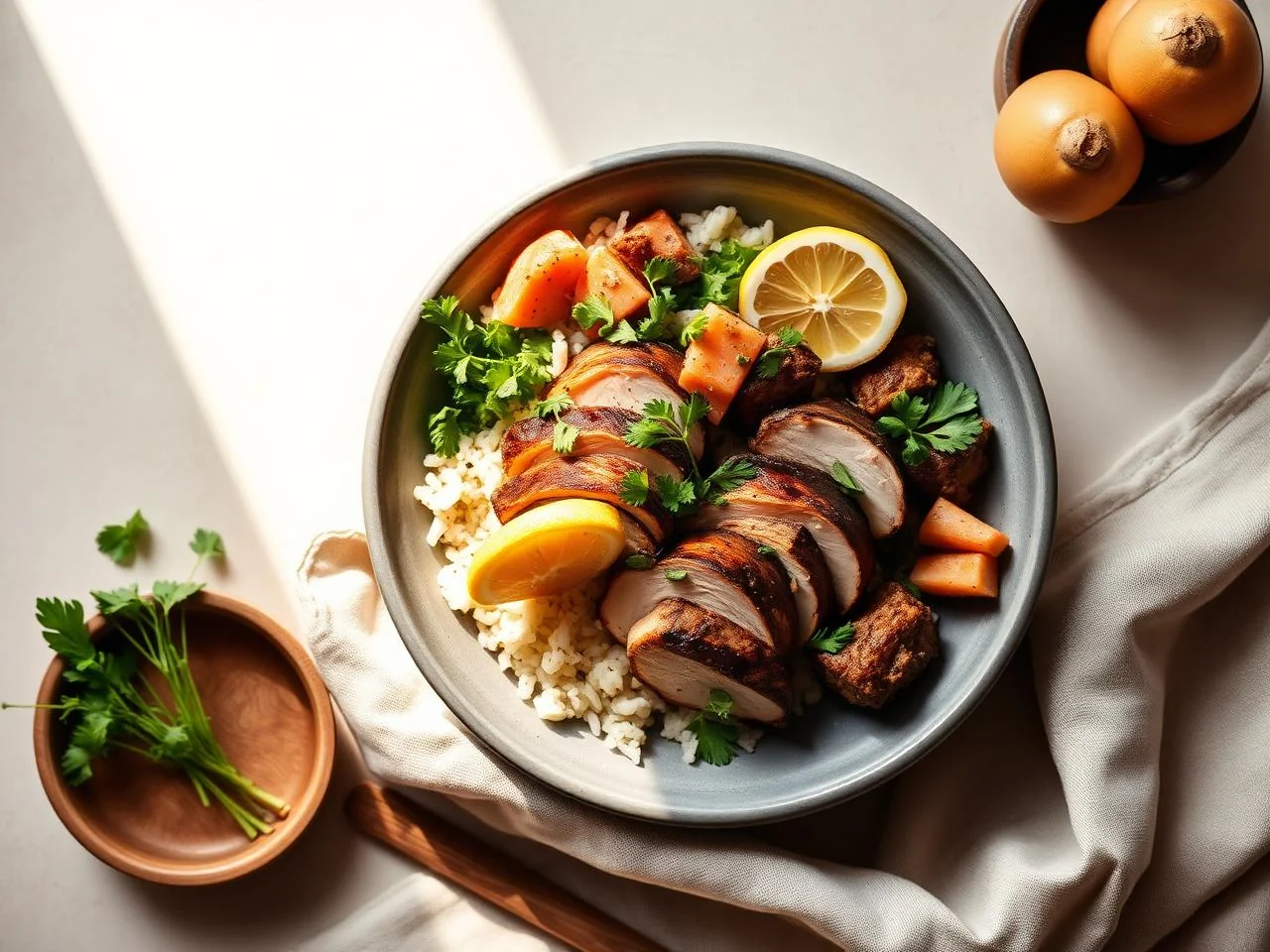
I still remember the first time I had a Korean Beef Bowl - the combination of tender beef, crunchy vegetables, and flavorful sauce was love at first bite. As a home cook, I was determined to recreate this dish in my own kitchen. After some trial and error, I finally perfected my Korean Beef Bowl recipe, and I'm excited to share it with you.
This recipe is perfect for anyone looking for a protein-forward meal that's both easy to make and packed with flavor. The beef is marinated in a mixture of soy sauce, garlic, and ginger, giving it a rich and savory taste. The sauce is made with a combination of gochujang, honey, and rice vinegar, adding a sweet and spicy kick to the dish.
One of the best things about this recipe is its versatility - you can customize it to your liking with a variety of toppings, from kimchi to green onions. It's also a great option for meal prep, as the beef and sauce can be made ahead of time and reheated when you're ready to eat.
In this recipe, I'll walk you through the steps to make a delicious Korean Beef Bowl, from marinating the beef to assembling the final dish. Whether you're a seasoned cook or just starting out, this recipe is sure to become a favorite.
So, let's get started! With a few simple ingredients and some basic cooking techniques, you'll be enjoying a mouth-watering Korean Beef Bowl in no time.
Why You’ll Love This Recipe
- This recipe is easy to make and requires minimal ingredients
- The beef is marinated in a flavorful mixture of soy sauce, garlic, and ginger, making it tender and delicious
- The sauce is made with a combination of gochujang, honey, and rice vinegar, adding a sweet and spicy kick to the dish
- The recipe is highly customizable, allowing you to add your favorite toppings and make it your own
- It's a great option for meal prep, as the beef and sauce can be made ahead of time and reheated when you're ready to eat
- The dish is perfect for anyone looking for a protein-forward meal that's both healthy and flavorful
Why This Recipe Works
The key to a great Korean Beef Bowl is in the marinade and the sauce. The marinade helps to tenderize the beef and add flavor, while the sauce brings everything together with its sweet and spicy flavors. By using a combination of soy sauce, garlic, and ginger in the marinade, we're able to create a rich and savory flavor profile that complements the beef perfectly.
The sauce is made with gochujang, a Korean chili paste that adds a deep, slightly sweet heat to the dish. By balancing the gochujang with honey and rice vinegar, we're able to create a sauce that's both spicy and sweet, with a nice acidity to cut through the richness of the beef.
Another important aspect of this recipe is the cooking technique. By cooking the beef in a hot skillet with a small amount of oil, we're able to achieve a nice crust on the outside while keeping the inside tender and juicy. This is thanks to the Maillard reaction, a chemical reaction that occurs when amino acids and reducing sugars are exposed to heat, resulting in the formation of new flavor compounds and browning.
Finally, the toppings are what really make this dish shine. By adding a variety of textures and flavors, from crunchy kimchi to soft green onions, we're able to create a dish that's both visually appealing and delicious to eat.
Ingredients You’ll Need
To make this Korean Beef Bowl recipe, you'll need a few key ingredients, including beef, gochujang, soy sauce, and rice vinegar. You'll also need some basic pantry staples, such as garlic, ginger, and sesame oil. Don't worry if you're not familiar with some of these ingredients - they're all easy to find at most grocery stores, and I'll walk you through how to use them in the recipe.
When shopping for ingredients, be sure to look for high-quality beef that's suitable for stir-frying. You'll also want to choose a good-quality gochujang that's not too spicy or too mild. With these ingredients and a few simple cooking techniques, you'll be able to create a delicious Korean Beef Bowl that's sure to become a favorite.
- 1 lb (450g) beef (such as ribeye or sirloin), sliced into thin stripsLook for beef that's suitable for stir-frying and has a good balance of marbling and tenderness. You can also use other cuts of beef, such as flank steak or skirt steak, if you prefer.
- 2 tbsp soy sauceUse a high-quality soy sauce that's not too salty or too mild. You can also use tamari or coconut aminos as a substitute if you're gluten-free.
- 2 tbsp gochujangGochujang is a Korean chili paste that adds a deep, slightly sweet heat to the dish. Look for a good-quality gochujang that's not too spicy or too mild.
- 2 cloves garlic, mincedUse fresh garlic for the best flavor. You can also use garlic powder or granulated garlic as a substitute if you prefer.
- 1 tsp grated gingerUse fresh ginger for the best flavor. You can also use ground ginger as a substitute if you prefer.
- 1 tbsp honeyUse a high-quality honey that's not too sweet or too mild. You can also use maple syrup or agave nectar as a substitute if you prefer.
- 1 tbsp rice vinegarUse a high-quality rice vinegar that's not too acidic or too mild. You can also use apple cider vinegar or white wine vinegar as a substitute if you prefer.
- 1 tsp sesame oilUse a high-quality sesame oil that's not too strong or too mild. You can also use other oils, such as coconut oil or avocado oil, as a substitute if you prefer.
- 1 cup kimchi, choppedUse store-bought or homemade kimchi for the best flavor. You can also use other fermented vegetables, such as sauerkraut or pickles, as a substitute if you prefer.
- 1/4 cup chopped green onionsUse fresh green onions for the best flavor. You can also use other herbs, such as cilantro or basil, as a substitute if you prefer.
- Salt and pepper to tasteUse high-quality salt and pepper for the best flavor. You can also use other seasonings, such as garlic powder or onion powder, as a substitute if you prefer.
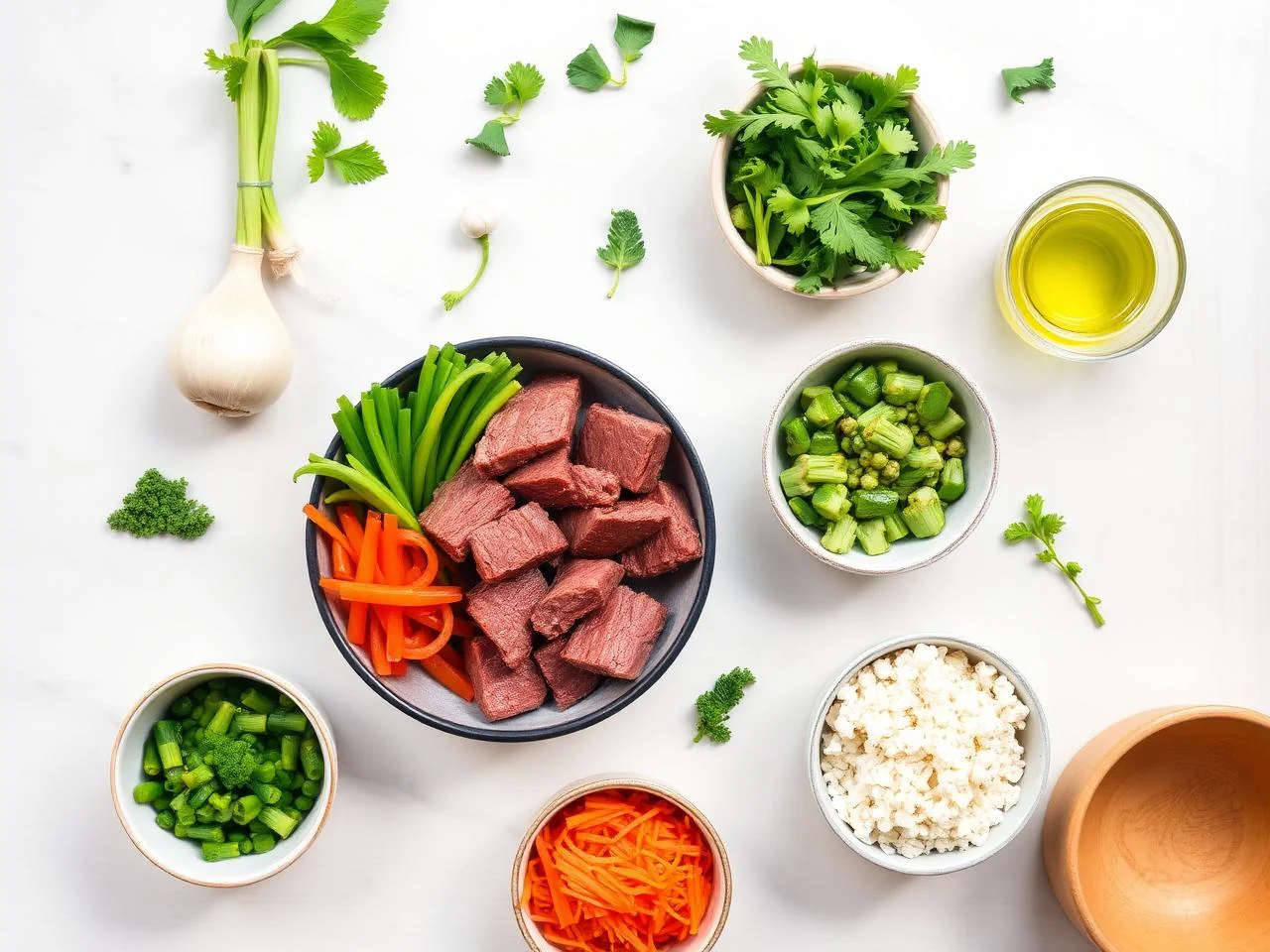
Equipment You’ll Need
How to Make Korean Beef Bowl
- 1In a large bowl, whisk together soy sauce, gochujang, garlic, ginger, honey, and rice vinegar to make the marinade.
- 2Add the sliced beef to the marinade and toss to coat. Cover the bowl with plastic wrap and refrigerate for at least 30 minutes or up to 2 hours.
- 3Heat 1 tablespoon of sesame oil in a large skillet or wok over medium-high heat. Remove the beef from the marinade, letting any excess liquid drip off.
- 4Add the beef to the skillet and cook for 3-4 minutes per side, or until it reaches an internal temperature of 130-135°F for medium-rare. Transfer the beef to a plate and let it rest for 5 minutes.
- 5In the same skillet, add the remaining 1 tablespoon of sesame oil. Add the chopped kimchi and cook, stirring occasionally, for 2-3 minutes or until it's lightly browned.
- 6Add the chopped green onions to the skillet and cook, stirring occasionally, for 1 minute or until they're lightly browned.
- 7Slice the rested beef against the grain into thin strips.
- 8To assemble the bowls, divide the cooked beef among four bowls. Add a spoonful of the kimchi and green onion mixture on top of the beef.
- 9Drizzle the sauce (made by whisking together the gochujang, honey, and rice vinegar) over the top of the beef and kimchi.
- 10Serve the bowls immediately, garnished with additional green onions and kimchi if desired.
- 11Let the bowls rest for a few minutes before serving to allow the flavors to meld together.
Expert Tips
- Use high-quality ingredients, such as fresh garlic and ginger, for the best flavor.
- Don't overcook the beef - it should be cooked to an internal temperature of 130-135°F for medium-rare.
- Let the beef rest for 5 minutes before slicing it to allow the juices to redistribute.
- Use a variety of toppings, such as kimchi and green onions, to add texture and flavor to the dish.
- Don't be afraid to customize the recipe to your liking - you can add or subtract ingredients as you prefer.
- Make the sauce ahead of time and store it in the refrigerator for up to 1 week.
- Use a thermometer to ensure the beef is cooked to a safe internal temperature.
- Let the bowls rest for a few minutes before serving to allow the flavors to meld together.
Common Mistakes to Avoid
- Overcooking the beef - it should be cooked to an internal temperature of 130-135°F for medium-rare.
- Not letting the beef rest before slicing it - this allows the juices to redistribute and the beef to stay tender.
- Not using high-quality ingredients - this can result in a dish that's lacking in flavor and texture.
- Not customizing the recipe to your liking - this can result in a dish that's not tailored to your tastes.
- Not using a thermometer to ensure the beef is cooked to a safe internal temperature.
- Not letting the bowls rest for a few minutes before serving - this allows the flavors to meld together and the dish to come together.
Variations and Substitutions
- Add other fermented vegetables, such as sauerkraut or pickles, to the dish for added flavor and texture.
- Use different types of protein, such as chicken or tofu, for a variation on the recipe.
- Add other spices or seasonings, such as garlic powder or onion powder, to the dish for added flavor.
- Use different types of oil, such as coconut oil or avocado oil, for a variation on the recipe.
- Add other toppings, such as diced bell peppers or sliced mushrooms, to the dish for added flavor and texture.
- Make the sauce ahead of time and store it in the refrigerator for up to 1 week.
- Use a variety of different kimchi, such as spicy kimchi or white kimchi, for a variation on the recipe.
What to Serve With Korean Beef Bowl
This Korean Beef Bowl recipe is perfect for serving over a bed of rice or noodles. You can also add other toppings, such as diced bell peppers or sliced mushrooms, to the dish for added flavor and texture. For a complete meal, serve the bowls with a side of steamed vegetables or a simple green salad.
Some other options for serving the Korean Beef Bowl include serving it with a side of kimchi or other fermented vegetables, or using it as a filling for tacos or other dishes. You can also add other proteins, such as chicken or tofu, to the dish for a variation on the recipe.
Make-Ahead, Storage, Freezing and Reheating
This Korean Beef Bowl recipe can be made ahead of time and stored in the refrigerator for up to 3 days. To store the dish, simply place the cooked beef and kimchi in an airtight container and refrigerate. The sauce can be made ahead of time and stored in the refrigerator for up to 1 week.
To reheat the dish, simply place the cooked beef and kimchi in a skillet or wok over medium heat and cook, stirring occasionally, until the beef is heated through. You can also reheat the dish in the microwave, but be careful not to overheat the beef.
The dish can also be frozen for up to 2 months. To freeze the dish, simply place the cooked beef and kimchi in an airtight container or freezer bag and freeze. To reheat the dish, simply thaw it overnight in the refrigerator and reheat it in a skillet or wok over medium heat.
When reheating the dish, be sure to stir it occasionally to prevent the beef from becoming tough or dry. You can also add other ingredients, such as diced bell peppers or sliced mushrooms, to the dish when reheating it for added flavor and texture.
Frequently Asked Questions
What type of beef is best for this recipe?
The best type of beef for this recipe is a thinly sliced cut, such as ribeye or sirloin. You can also use other cuts of beef, such as flank steak or skirt steak, if you prefer.
Can I use other types of protein in this recipe?
Yes, you can use other types of protein, such as chicken or tofu, in this recipe. Simply marinate and cook the protein according to the recipe instructions.
What is gochujang and where can I find it?
Gochujang is a Korean chili paste that adds a deep, slightly sweet heat to the dish. You can find gochujang at most Asian markets or online.
Can I make this recipe ahead of time?
Yes, you can make this recipe ahead of time. Simply cook the beef and kimchi, and store them in an airtight container in the refrigerator for up to 3 days. The sauce can be made ahead of time and stored in the refrigerator for up to 1 week.
Can I freeze this recipe?
Yes, you can freeze this recipe. Simply place the cooked beef and kimchi in an airtight container or freezer bag and freeze for up to 2 months. To reheat, simply thaw overnight in the refrigerator and reheat in a skillet or wok over medium heat.
What are some variations on this recipe?
Some variations on this recipe include adding other fermented vegetables, such as sauerkraut or pickles, to the dish for added flavor and texture. You can also use different types of protein, such as chicken or tofu, for a variation on the recipe.
Can I use different types of oil in this recipe?
Yes, you can use different types of oil in this recipe. Simply substitute the sesame oil with another oil, such as coconut oil or avocado oil, and proceed with the recipe instructions.
What is the best way to serve this recipe?
This recipe is perfect for serving over a bed of rice or noodles. You can also add other toppings, such as diced bell peppers or sliced mushrooms, to the dish for added flavor and texture.
Can I make this recipe for a crowd?
Yes, you can make this recipe for a crowd. Simply multiply the ingredients according to the number of people you are serving and proceed with the recipe instructions.
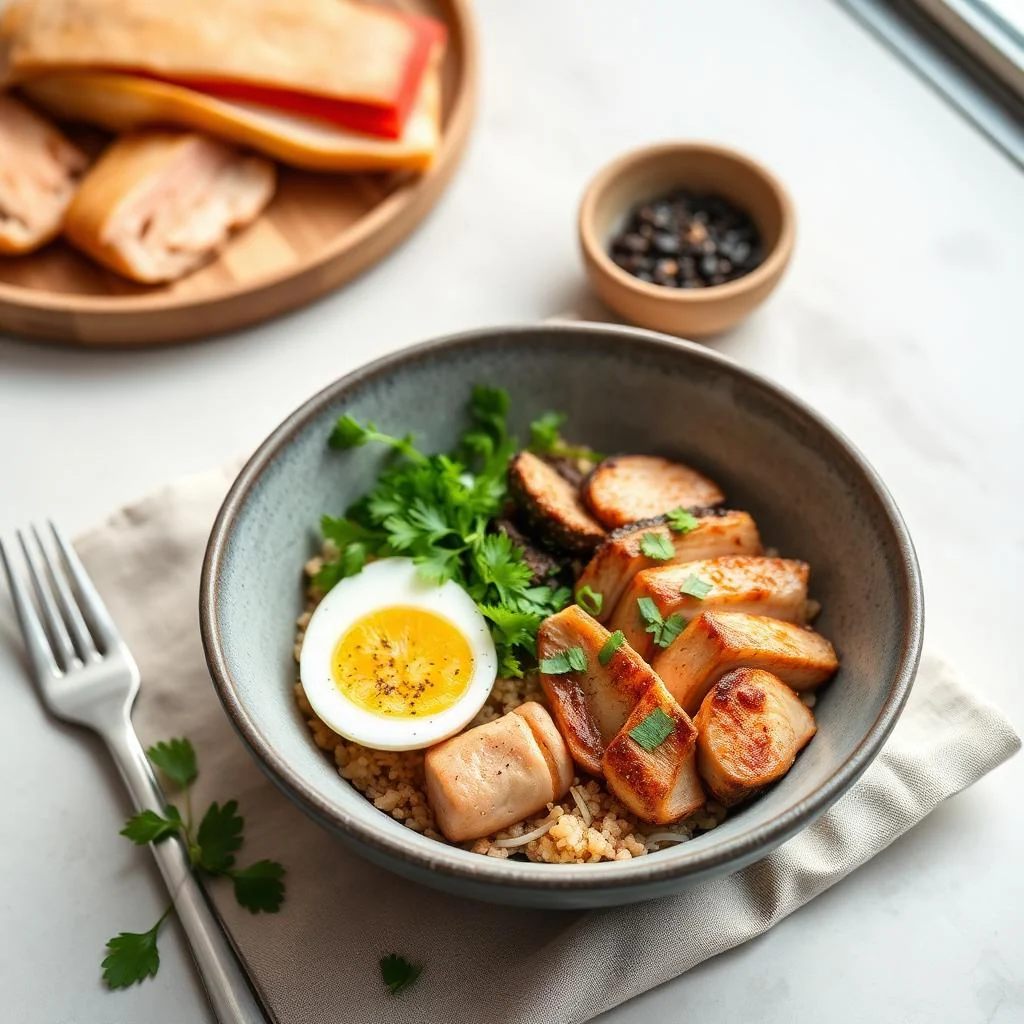
Ingredients
- 1 lb (450g) beef (such as ribeye or sirloin), sliced into thin strips
- 2 tbsp soy sauce
- 2 tbsp gochujang
- 2 cloves garlic, minced
- 1 tsp grated ginger
- 1 tbsp honey
- 1 tbsp rice vinegar
- 1 tsp sesame oil
- 1 cup kimchi, chopped
- 1/4 cup chopped green onions
- Salt and pepper to taste
Instructions
- In a large bowl, whisk together soy sauce, gochujang, garlic, ginger, honey, and rice vinegar to make the marinade.
- Add the sliced beef to the marinade and toss to coat. Cover the bowl with plastic wrap and refrigerate for at least 30 minutes or up to 2 hours.
- Heat 1 tablespoon of sesame oil in a large skillet or wok over medium-high heat. Remove the beef from the marinade, letting any excess liquid drip off.
- Add the beef to the skillet and cook for 3-4 minutes per side, or until it reaches an internal temperature of 130-135°F for medium-rare. Transfer the beef to a plate and let it rest for 5 minutes.
- In the same skillet, add the remaining 1 tablespoon of sesame oil. Add the chopped kimchi and cook, stirring occasionally, for 2-3 minutes or until it's lightly browned.
- Add the chopped green onions to the skillet and cook, stirring occasionally, for 1 minute or until they're lightly browned.
- Slice the rested beef against the grain into thin strips.
- To assemble the bowls, divide the cooked beef among four bowls. Add a spoonful of the kimchi and green onion mixture on top of the beef.
- Drizzle the sauce (made by whisking together the gochujang, honey, and rice vinegar) over the top of the beef and kimchi.
- Serve the bowls immediately, garnished with additional green onions and kimchi if desired.
- Let the bowls rest for a few minutes before serving to allow the flavors to meld together.