Picture this: I’m standing in my cramped kitchen, the timer on the stovetop beeping like an impatient toddler, and I’ve just realized I’ve burned the garlic I was supposed to sauté for my usual quick pasta. The smoke alarm screamed, the pan turned into a charcoal relic, and my confidence plummeted faster than a soufflé in a draft. In that chaotic moment, I made a bold promise to myself—no more half‑hearted meals that taste like a compromise between “I tried” and “I gave up.” I grabbed a bag of frozen cheese ravioli, a splash of cream, and a daring idea that would later become the one‑pan marvel you’re about to read.
The kitchen quickly transformed into a sensory wonderland. The buttery aroma of melting butter danced with the sharp bite of minced garlic, while the sizzle of onions hitting the hot pan sounded like a tiny applause. As the cream swirled in, it thickened into a glossy veil that coated every piece of ravioli like velvet, and the cheese melted into golden rivers that promised gooey decadence. I could already hear the faint crunch of the edges as they browned, a sound that would later shatter like thin ice under a spoon. My fingertips tingled with excitement, the heat from the oven warming my back, and I felt a surge of confidence that this could be the ultimate comfort dish.
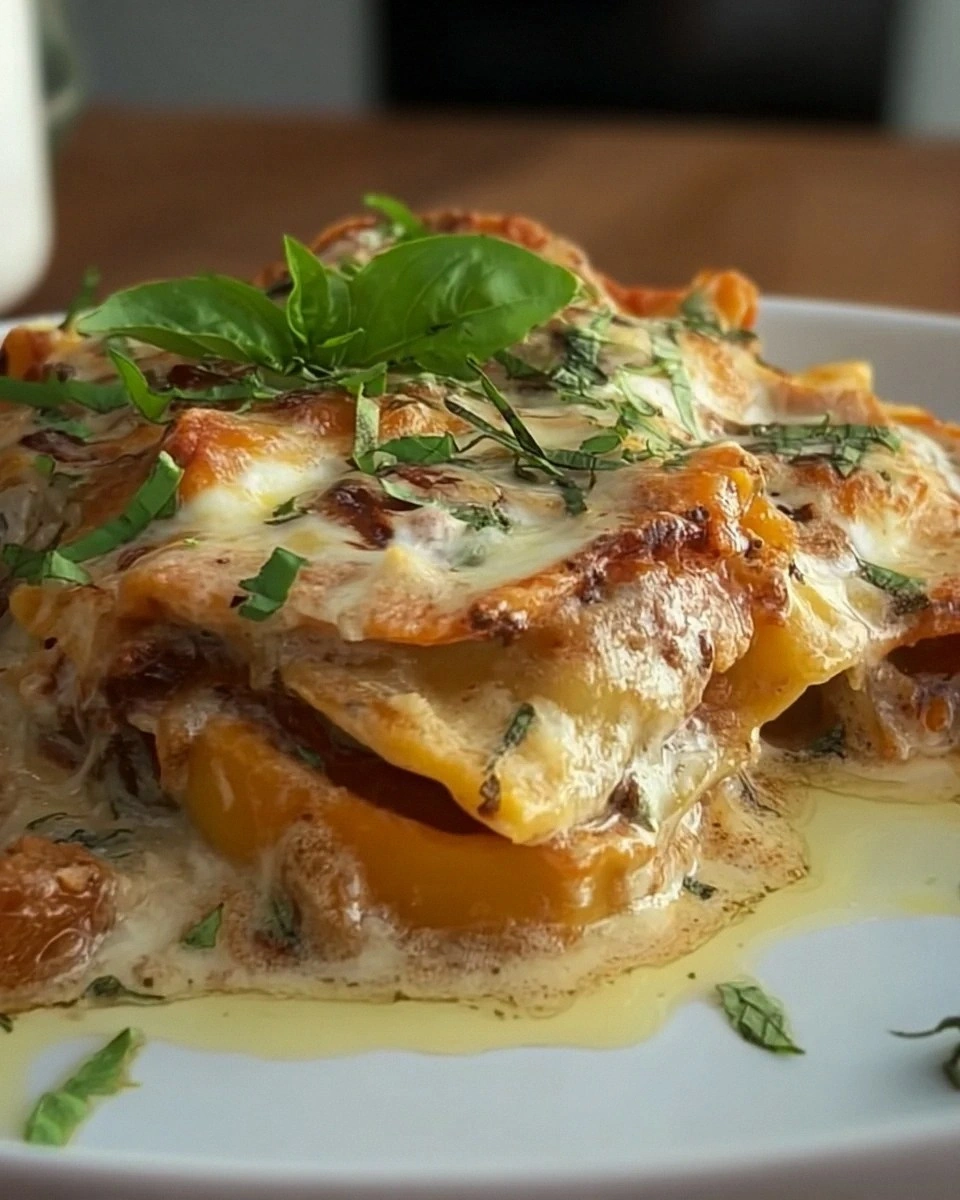
Most baked ravioli recipes either drown the pasta in a watery sauce or bake it dry until the cheese turns rubbery. I’ve tried a dozen of those, and each time the texture was either soggy or stubbornly stuck to the pan. This version, however, strikes a perfect balance: the sauce stays creamy and clingy, the ravioli retain a tender bite, and the top forms a lightly crisped, caramelized crust that whispers “comfort” with every forkful. The secret? A clever combination of a roux, broth, and cream that creates a sauce that clings like a second skin, plus a short, high‑heat bake that locks in moisture while giving the cheese a glorious, slightly crunchy finish.
And here’s the kicker: I’m throwing in a handful of fresh spinach that wilts just enough to add a pop of color without drowning the dish, plus a dash of red‑pepper flakes for a subtle kick that you’ll only notice after the first bite. I dare you to taste this and not go back for seconds—because once you’ve experienced this buttery, cheesy symphony, plain pasta will feel like a betrayal. Let me walk you through every single step — by the end, you’ll wonder how you ever made it any other way.
What Makes This Version Stand Out
- Flavor Explosion: The blend of heavy cream, chicken broth, and a touch of butter creates a sauce that’s rich yet not cloying, letting the ravioli’s cheese shine through.
- Texture Harmony: You get a tender interior, a silky sauce, and a lightly crisped top that shatters like thin ice when you dig in.
- Simplicity: All the magic happens in one pan—no extra pots, no juggling, just a single sheet pan that goes from stovetop to oven.
- Unique Ingredient Twist: Fresh spinach adds a bright green contrast and a subtle earthiness that most baked ravioli forgets.
- Crowd‑Pleaser Factor: Even the pickiest eaters can’t resist the cheesy pull and the aromatic garlic‑onion base.
- Ingredient Quality: Using good‑quality fresh ravioli and real butter makes the dish feel restaurant‑grade without the price tag.
- Cooking Method Mastery: The quick sear before the bake locks in flavor, while the oven’s gentle heat finishes the sauce without overcooking the pasta.
- Make‑Ahead Potential: You can assemble the dish ahead of time, refrigerate, and pop it into the oven when guests arrive.
Alright, let's break down exactly what goes into this masterpiece...
Inside the Ingredient List
The Flavor Base
Butter (2 tbsp): Butter is the foundation of flavor, providing a nutty richness that coats the onions and garlic before the cream even arrives. Skipping it would leave the sauce thin and flavorless, and the sautéed aromatics would stick to the pan. If you’re dairy‑free, try a high‑smoke‑point oil like clarified butter or ghee for a similar depth.
Olive Oil (1 tbsp): A splash of olive oil raises the smoke point just enough to prevent the butter from burning, while adding a subtle fruitiness that balances the cream’s richness. You can replace it with avocado oil for an even higher smoke point.
Onion (1 small, diced): The onion brings a natural sweetness that mellows the garlic’s bite. If you forget to dice it finely, the texture will be uneven and you’ll get occasional crunchy bites.
The Texture Crew
All‑Purpose Flour (1 tbsp): Flour creates a roux with the butter, thickening the sauce without lumps. Omit it and you’ll end up with a watery broth that never clings to the ravioli. For a gluten‑free version, swap with cornstarch (use half the amount).
Heavy Cream (2 cups): This is the star that gives the dish its luxurious mouthfeel. Using half‑and‑half will thin the sauce and lose that velvety coat. Look for cream with at least 35% fat for the best results.
Chicken Broth (1 cup): The broth adds depth and a savory backbone, preventing the sauce from becoming overly heavy. If you’re vegetarian, swap with vegetable broth—just make sure it’s low‑sodium.
The Unexpected Star
Fresh Spinach (2 cups): Spinach introduces a fresh, slightly bitter note that cuts through the richness, while also adding a pop of color. If you skip it, the dish can feel one‑dimensional; if you over‑cook it, it becomes mushy and loses its bright hue.
Red Pepper Flakes (a pinch): A tiny pinch awakens the palate with a subtle heat that lingers after each bite. Omit it and the dish may feel flat; add too much and you’ll overpower the delicate cheese.
The Final Flourish
Shredded Mozzarella (1 cup): Mozzarella melts into stringy, gooey pockets that make every forkful a stretch of cheese. Using low‑moisture mozzarella keeps the sauce from becoming watery.
Grated Parmesan (½ cup): Parmesan adds a sharp, nutty finish that brightens the sauce and helps form that coveted golden crust. Freshly grated is essential; pre‑grated often contains anti‑caking agents that affect texture.
Ravioli (12 oz, cheese‑filled): Fresh or high‑quality frozen ravioli holds its shape during the bake, ensuring each bite is perfectly tender. Over‑cooking will cause them to burst and release filling into the sauce, making it gritty.
Everything's prepped? Good. Let's get into the real action...
The Method — Step by Step
-
Heat a large, oven‑safe skillet over medium heat and add the butter and olive oil. Once the butter foams, toss in the diced onion and let it soften for about three minutes, stirring occasionally until it becomes translucent and starts to caramelize. This is the moment where the kitchen fills with that sweet, slightly nutty aroma that tells you you’re on the right track. Add the minced garlic and red pepper flakes, and sauté for another 30 seconds—watch that sizzle; it’s pure perfection.
Kitchen Hack: If your garlic starts to brown too quickly, lower the heat and add a splash of broth to keep it moist and prevent bitterness. -
Sprinkle the flour over the softened onions and garlic, stirring constantly to form a smooth roux. Cook the roux for about one minute, allowing the raw flour taste to evaporate while you keep the mixture bubbling gently. This step is crucial; without it, the sauce would be thin and watery, lacking that luxurious body you crave. As the flour turns a light golden hue, you’ll notice a faint nutty scent—this is the foundation of our creamy sauce.
-
Gradually whisk in the chicken broth, making sure to dissolve any lumps before adding the heavy cream. The pan will hiss and steam, and the sauce will begin to thicken within seconds. Keep the heat at a gentle simmer; you want the sauce to coat the back of a spoon without boiling over. At this stage, the sauce should have a silky appearance that hints at the decadence to come.
Watch Out: If the sauce starts to separate, lower the heat and whisk vigorously; adding a splash of cold water can bring it back together. -
Stir in the shredded mozzarella and grated Parmesan, allowing the cheeses to melt into the creamy base. As the cheese dissolves, the sauce becomes glossy and starts to thicken further, forming a velvety blanket that will cling to every ravioli. Taste and season with salt and pepper; remember, the cheese already adds saltiness, so adjust cautiously. This is the moment of truth—if the sauce tastes like a dream, you’re on track.
-
Gently fold in the fresh spinach, letting it wilt just enough to release its bright green color without turning mushy. The spinach should reduce in volume dramatically, creating pockets of vivid color throughout the sauce. If you notice excess liquid, let the sauce simmer a minute longer; the spinach will continue to release moisture as it cooks.
-
Now, add the ravioli to the pan, arranging them in a single layer so each piece is fully submerged in the sauce. The ravioli will continue to cook in the sauce, absorbing some of the flavors while releasing a little of their own cheese into the mixture. Give the pan a gentle shake to make sure every piece gets an even coating. This is where the magic happens—each ravioli becomes a little treasure chest of creamy goodness.
-
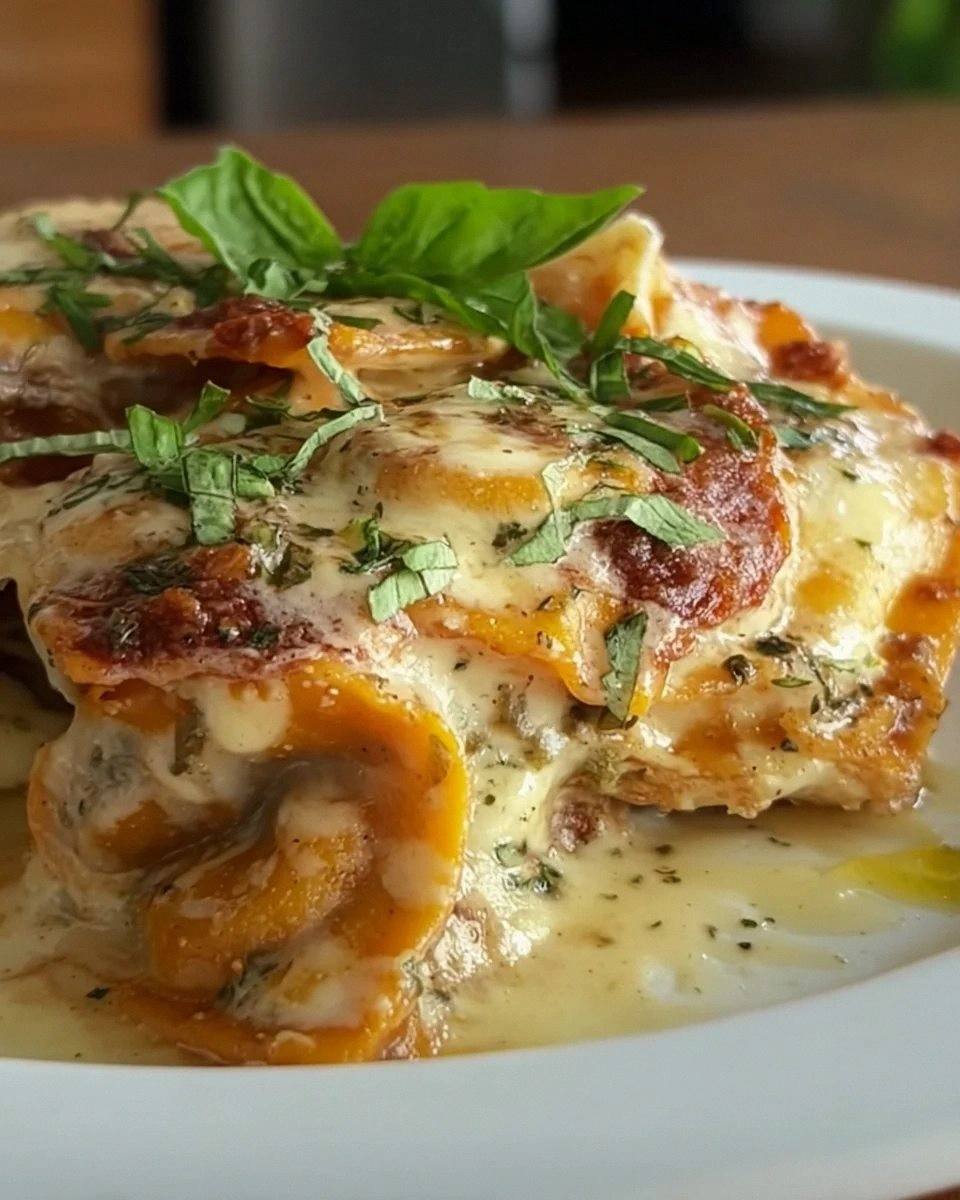
Transfer the skillet to a pre‑heated oven at 400°F (200°C) and bake for 12‑15 minutes, or until the top turns a light golden brown and the edges of the ravioli start to pull away from the pan. The oven’s heat will finish cooking the pasta while creating that coveted crispy crust. Keep an eye on the color; you want a beautiful caramelization, not a burnt disaster.
Kitchen Hack: For an extra‑crunchy top, sprinkle a thin layer of breadcrumbs mixed with a dash of Parmesan before the final bake. -
Remove the pan from the oven and let it rest for five minutes; this resting period allows the sauce to thicken slightly and the flavors to meld. While it rests, the steam will keep the ravioli tender, and the cheese will set just enough to avoid a runny mess when you serve. Give the dish a final sprinkle of fresh herbs—basil or parsley works beautifully—for a pop of freshness.
-
Serve straight from the pan, scooping generous portions onto plates. The sauce should cling to the ravioli like a silky shawl, while the edges offer a satisfying crunch that contrasts with the tender interior. Pair with a simple green salad and a glass of crisp white wine, and you’ve got a dinner that feels both indulgent and effortless. That’s it — you did it. But hold on, I've got a few more tricks that'll take this to another level...
Insider Tricks for Flawless Results
The Temperature Rule Nobody Follows
Never bake a creamy sauce at a temperature lower than 375°F. Lower temps keep the sauce from setting, resulting in a soupy mess. By cranking the heat to 400°F, you achieve a quick caramelization that locks in moisture while giving the cheese a golden crust. I once tried a low‑and‑slow bake and ended up with a soggy disaster—lesson learned.
Why Your Nose Knows Best
Before you even taste the sauce, trust the aroma. When the butter‑onion mixture turns a light amber and the garlic releases its perfume, you’re ready to add the liquid. If the scent smells burnt, lower the heat immediately—your taste buds will thank you later. The nose is the first line of quality control in the kitchen.
The 5‑Minute Rest That Changes Everything
Resting the baked ravioli for exactly five minutes after it leaves the oven allows the sauce to thicken naturally without additional stirring. This short pause prevents the sauce from separating when you plate it and gives the cheese a chance to set, making each bite less likely to slide off the fork. Skipping this step leads to a runny plate and a disappointed palate.
Seasoning in Layers
Season each component as you build the dish—salt the onions, pepper the sauce, and finish with a pinch of salt after baking. Layered seasoning builds depth and prevents the final dish from tasting flat. I once added all the salt at the end and the sauce tasted bland; now I season as I go.
Pan Choice Matters
Use a heavy‑bottomed, oven‑safe skillet (cast iron or thick‑walled stainless steel). Thin pans cause hot spots, leading to uneven browning and possible scorching. A sturdy pan distributes heat evenly, giving you that perfect, even crust on every ravioli.
Creative Twists and Variations
This recipe is a playground. Here are some of my favorite ways to switch things up:
Spicy Sausage Surprise
Swap half the cheese ravioli for Italian sausage‑filled pasta, and add a dash more red‑pepper flakes. The sausage introduces a savory, meaty bite that pairs wonderfully with the creamy sauce, making it a hit for meat‑loving crowds.
Mushroom Medley
Replace the spinach with a mixture of sautéed cremini and shiitake mushrooms. The earthy mushrooms absorb the sauce, adding depth and a umami punch that elevates the dish to a gourmet level.
Sun‑Dried Tomato Burst
Stir in chopped sun‑dried tomatoes after the sauce thickens. Their tangy sweetness cuts through the richness, delivering bright bursts of flavor in every forkful.
Vegan Velvet
Use plant‑based ravioli, coconut cream, and nutritional yeast instead of Parmesan. The result is a dairy‑free version that still boasts a luscious, velvety texture and a cheesy note.
Herbaceous Heaven
Finish with a generous handful of fresh basil, thyme, or sage just before serving. The herbs add a fragrant lift that makes the dish feel spring‑fresh even in winter.
Cheese‑Lover’s Dream
Mix in additional cheeses like fontina or gouda for a deeper, more complex melt. The extra cheese creates extra stringy pull and a richer flavor profile that will wow any cheese aficionado.
Storing and Bringing It Back to Life
Fridge Storage
Allow the dish to cool to room temperature, then transfer it to an airtight container. It will keep for up to three days in the refrigerator. When reheating, add a splash of milk or broth and cover with foil to prevent drying out.
Freezer Friendly
Portion the baked ravioli into freezer‑safe bags or containers, leaving a little room for expansion. It freezes beautifully for up to two months. To reheat, thaw overnight in the fridge, then bake at 350°F for 15‑20 minutes, covered, until bubbling.
Best Reheating Method
For the crispiest finish, reheat in a pre‑heated oven at 375°F, uncovered, for 10‑12 minutes. Before popping it in, drizzle a teaspoon of water around the edges; the steam will revive the sauce, while the oven restores the golden crust.