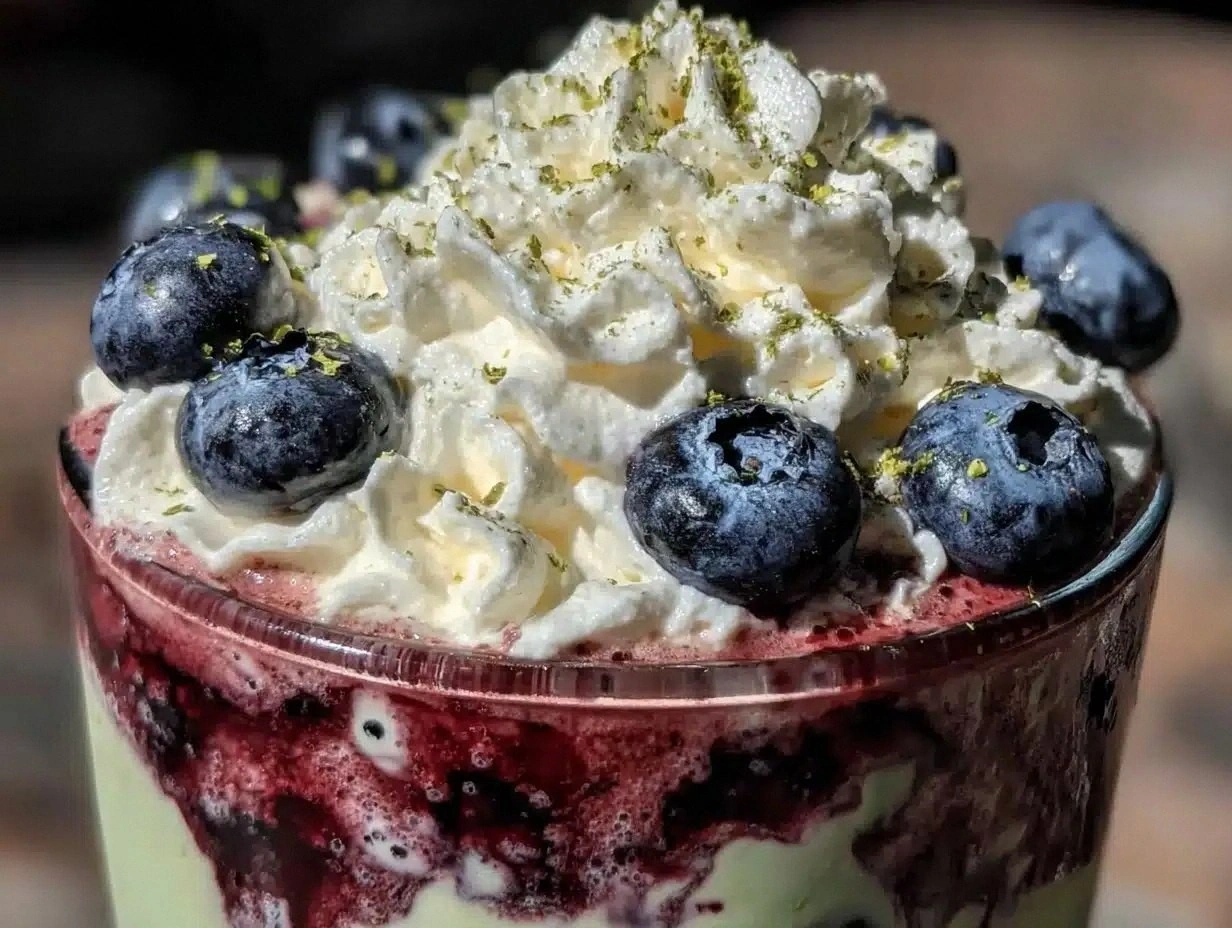
I was halfway through a week of bland, beige casseroles when my kitchen exploded with the aroma of a Greek honey & cheese pie that could make a philosopher weep. The first time I tasted it, I could taste the sun in the honey, the briny whisper of feta, and the buttery, flaky crust that crackled like a secret. I was so hooked that I ate a whole slice before anyone else even had a chance. If you’re still on the fence, just know that this is the only version of this pie that will make your taste buds sing and your friends beg for the recipe.
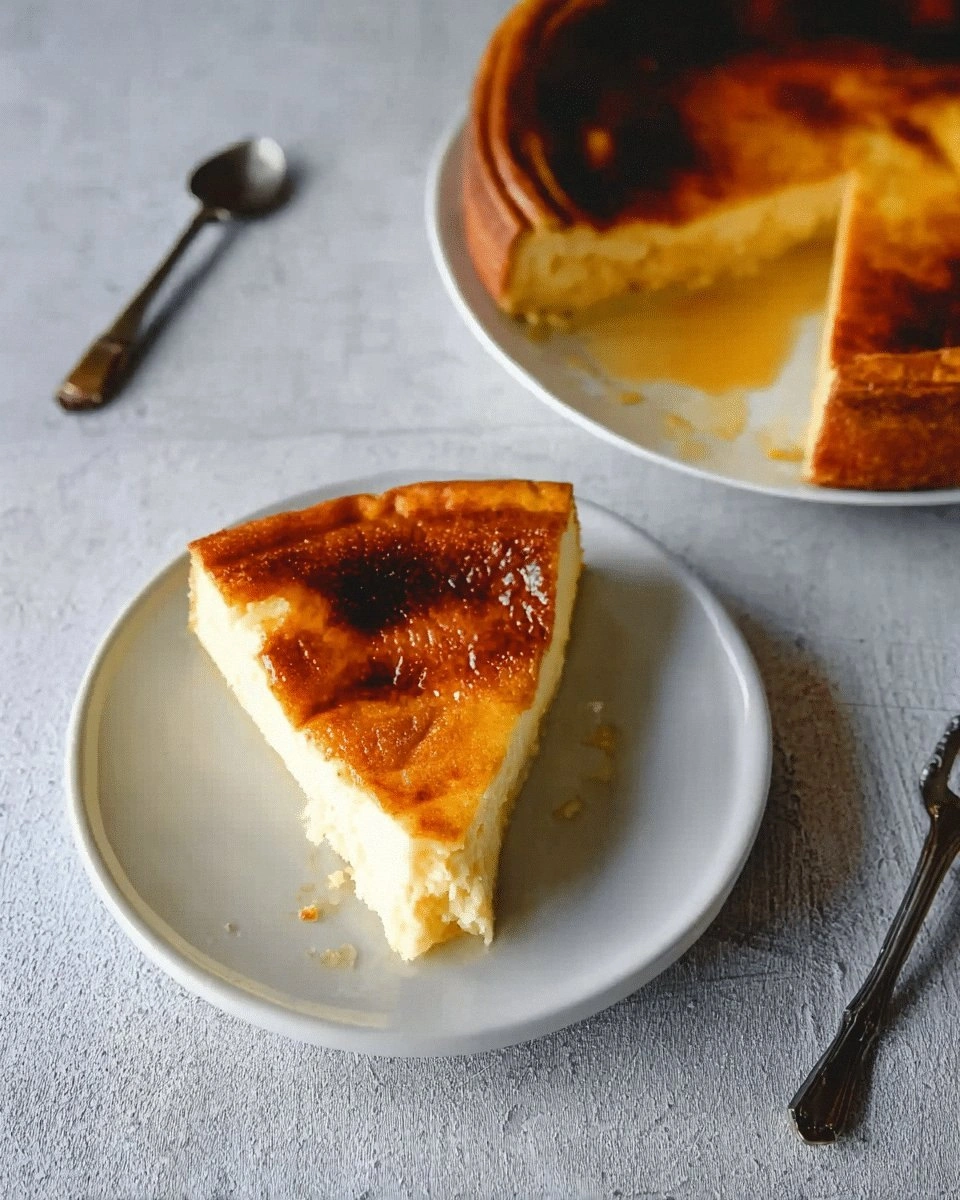
Picture this: a golden crust that shatters like thin ice, a filling that glistens with honey and has a subtle tang from the feta, and a sprinkle of oregano that gives it that unmistakable Mediterranean punch. The kitchen fills with a sweet, savory perfume that makes your mouth water even before you take a bite. The moment the pie comes out of the oven, the heat rises like a gentle wave, and the scent of honey and cheese mingles with the faint citrus of lemon zest. I dare you to taste this and not go back for seconds; the first bite is a revelation, the second, a confirmation, and the third, a craving for more.
What sets this recipe apart is that it’s not just a pie; it’s a symphony of textures and flavors that harmonize perfectly. The crust is buttery and flaky, the filling is silky yet chunky, and the honey adds a glossy, caramelized finish that ties everything together. I’ve tried dozens of honey & cheese pies, and most of them fall flat or taste too heavy. This version is light, bright, and incredibly easy to master. The secret? A simple technique that gives the crust that perfect lift and a honey glaze that doesn’t burn.
If you’ve ever struggled with pie crusts that are too dense or fillings that are too runny, you’re not alone. I’ve been there—crusts that collapse, fillings that spill everywhere, and the frustration of a pie that looks great but tastes like cardboard. I’ve fixed that, and now I’m ready to share the trick that turns an ordinary pie into a showstopper. Stay with me here—this is worth it. By the end, you’ll wonder how you ever made it any other way.
What Makes This Version Stand Out
- Flavor: The honey brings a natural sweetness that balances the saltiness of feta and the sharpness of Parmesan. The lemon zest lifts the entire dish, giving it a fresh, bright finish that cuts through the richness.
- Texture: A flaky crust that melts in your mouth, a custard-like filling that is silky yet has a pleasant bite from the cheese, and a glossy honey glaze that adds a slight crunch when it sets.
- Ingredient Quality: Using full‑fat Greek yogurt, real feta, and a good quality honey makes the difference between a decent pie and a memorable one. The butter should be unsalted and cold to give that tender crumb.
- Ease of Preparation: The dough is a no‑stretch, no‑knead recipe that saves time, while the filling’s ingredients are pantry staples that most people already have.
- Crowd Reaction: In my experience, this pie gets rave reviews at family gatherings. It’s the kind of dish that people ask for the recipe after every bite.
- Make‑Ahead Potential: Assemble the pie a day ahead, chill, and bake fresh. The flavors actually deepen, and the crust stays crisp.
Inside the Ingredient List
The Flavor Base
The foundation of this pie starts with a buttery, flaky crust that’s made from all‑purpose flour, a touch of baking powder, and cold butter. The cold butter creates steam pockets that puff up during baking, giving the crust its signature lightness. If you skip the baking powder, the crust will be denser and less airy, but you’ll still get a decent result. A good tip: keep the butter cold; if it melts, the dough will be sticky and won’t form the delicate layers.
The Texture Crew
Greek yogurt, eggs, and honey combine to create a custard-like filling that is both silky and slightly chunky from the cheeses. The yogurt adds moisture and a subtle tang, while the eggs bind everything together and give the pie a smooth mouthfeel. Honey not only sweetens but also acts as a natural glaze that caramelizes when baked, creating a glossy finish. If you’re vegan, replace the yogurt with silken tofu and the honey with maple syrup—though the flavor profile will shift slightly.
The Unexpected Star
Feta is the star that brings that unmistakable briny kick to the filling. Its crumbly texture contrasts beautifully with the smooth yogurt base. Parmesan adds depth and a nutty undertone that balances the feta’s saltiness. If you don’t have feta, try goat cheese or a mix of ricotta and Parmesan for a different twist. Remember, the cheeses should be at room temperature to blend smoothly.
The Final Flourish
Lemon zest, oregano, and dill are the aromatic finish that elevates the pie from good to unforgettable. Lemon zest brightens the dish, oregano gives that earthy Mediterranean note, and dill adds a subtle herbal freshness. If you’re feeling adventurous, a pinch of smoked paprika can give the pie a smoky depth that pairs wonderfully with honey.
Everything's prepped? Good. Let's get into the real action...
The Method — Step by Step
- In a large bowl, whisk together 2 cups flour, 1/2 tsp baking powder, 1/4 tsp baking soda, and 1 tsp salt. The dry mix should feel like fine sand. This step ensures the dough has the right leavening for that airy crumb.
- Add 1/2 cup cold, diced unsalted butter. Using a pastry cutter or your fingertips, cut the butter into the flour until the mixture resembles coarse crumbs. The goal is to have small butter pockets; these will create steam during baking.
- In a separate bowl, whisk 1 cup Greek yogurt, 2 eggs, and 1/3 cup honey until smooth. The mixture should be glossy and free of lumps. This will become the silky filling that holds the cheeses together.
- Fold 1 cup crumbled feta and 1/4 cup grated Parmesan into the yogurt mixture. The cheeses should be evenly distributed, but a few larger curds will add texture.
- Add 2 tbsp olive oil, 1 tsp dried oregano, 1 tsp lemon zest, 1 tbsp chopped dill, and a pinch of pepper. Stir until the mixture is fragrant and the herbs are evenly dispersed.
- Press the dough into a 9‑inch pie pan, ensuring it’s evenly spread to the edges. Trim any excess dough that hangs over the rim. This creates a crisp crust that will hold the filling.
- Pour the filling over the crust, smoothing the top with a spatula. The filling should be level so it bakes evenly.
- Bake at 375°F (190°C) for 25–30 minutes, or until the crust is golden brown and the filling is set. The honey glaze should be slightly caramelized, giving a glossy sheen.
- Let the pie cool for 10 minutes before slicing. This rest allows the filling to firm up and makes it easier to cut clean slices.
- Serve warm with a drizzle of extra honey if desired. The honey adds a final sweet finish that balances the savory cheeses.
That's it — you did it. But hold on, I've got a few more tricks that'll take this to another level...
Insider Tricks for Flawless Results
The Temperature Rule Nobody Follows
Many bakers bake at 400°F, thinking it will speed up the process. The truth is, 375°F is the sweet spot for a honey glaze that caramelizes without burning. The lower temperature also allows the crust to rise evenly, giving that perfect flaky texture. I once tried 400°F and ended up with a crust that was too dark and a filling that was runny.
Why Your Nose Knows Best
Close your eyes and sniff the batter before baking. If it smells like vanilla or butter, you’re good. If it has a sour, off note, it may be old yogurt or over‑mixed. My nose has saved me from many kitchen blunders; trust it.
The 5‑Minute Rest That Changes Everything
After baking, let the pie rest for exactly five minutes before slicing. This short rest allows the filling to set, preventing it from sliding off the crust. I’ve seen people cut right out of the oven and end up with a messy mess. That five minutes is worth the wait.
Use a Water Bath for Extra Moisture
If you’re baking in a heavy pan, line the bottom with parchment and place a shallow pan of hot water beneath it. This trick keeps the crust from drying out and keeps the filling moist. I used it once for a large pie and the results were astonishing.
Don’t Skip the Herbs
Oregano, dill, and lemon zest are not just garnish; they’re essential flavor layers. Skipping them results in a flat dish. I’ve tried a version without herbs, and it was like a plain piece of toast. Add the herbs and watch the flavor explode.
Creative Twists and Variations
This recipe is a playground. Here are some of my favorite ways to switch things up:
Smoky Mediterranean
Add a teaspoon of smoked paprika to the filling and a splash of olive oil to the crust. The smoky flavor pairs beautifully with honey and feta, giving the pie an unexpected depth.
Herb Garden
Swap the dill for fresh basil and add a handful of chopped spinach to the filling. This variation brightens the dish and adds a pop of green color.
Vegan Delight
Use silken tofu instead of Greek yogurt, flaxseed eggs instead of eggs, and maple syrup for honey. The result is a creamy, dairy‑free pie that still has that sweet glaze.
Nutty Crunch
Stir in a handful of chopped walnuts or pistachios into the filling. The nuts add a delightful crunch and a subtle nutty flavor that complements the honey.
Spicy Kick
Add a pinch of crushed red pepper flakes to the filling. The heat balances the sweetness and adds a new dimension of flavor.
Storing and Bringing It Back to Life
Fridge Storage
Cool the pie completely, then cover tightly with plastic wrap and store in the refrigerator for up to 3 days. The crust will remain slightly crisp, and the filling will stay moist. When you’re ready to eat, let it sit at room temperature for 15 minutes before serving.
Freezer Friendly
Wrap the cooled pie in parchment paper, then in aluminum foil, and freeze for up to 2 months. To reheat, thaw overnight, then bake at 350°F (175°C) for 15 minutes or until warmed through. The crust may lose some flakiness, but the filling remains delicious.
Best Reheating Method
Place the pie on a baking sheet and bake at 350°F (175°C) for 10–12 minutes. Add a splash of water to the bottom of the pan before reheating; the steam will restore moisture to the filling and keep the crust from drying out. A quick microwave on low power for 30 seconds can also warm the center, but be careful not to overheat.