Picture this: I’m in the middle of a Sunday dinner prep, the kitchen buzzing with the clatter of pans and the scent of garlic sizzling. I’ve just pulled a fresh batch of dumpling wrappers from the freezer, hoping to impress my friends with a quick, gluten‑free treat. Then disaster strikes—half the dough turns into a sticky, unmanageable mess that refuses to rise. I stare at the bowl, feeling the frustration creep in, and suddenly a spark of inspiration hits: what if the secret lay in a simple tweak that turns a kitchen nightmare into a culinary triumph?
The moment I cracked the dough open, the air filled with the earthy aroma of rice flour and the sharp tang of ginger. I could hear the faint hiss of water as it met the dry mix, and the texture of the dough shifted from clumpy to silky in an instant. My eyes followed the glossy surface as it settled, and I felt the reassuring weight of a dough that would hold its shape. The anticipation was palpable—every bite would promise a delicate, tender bite that melts in the mouth, not a chewy, overcooked disappointment. The kitchen felt alive, the stakes high, and the potential for a flavor explosion humming just beneath the surface.
What makes this version stand out is not just the fact that it’s gluten‑free, but the way each element is engineered for maximum flavor, texture, and convenience. I’ve blended the finest gluten‑free flour mix with a precise amount of xanthan gum to lock in that coveted elasticity, and I’ve added a splash of sesame oil and a touch of soy sauce to give the dough a subtle umami depth that traditional wrappers lack. The filling is a harmonious marriage of crisp Napa cabbage, savory pork (or tofu for the veggie crowd), and aromatics that dance together like a well‑tuned orchestra. The result? Dumplings that are airy inside, crisp on the edges, and so flavorful that you’ll find yourself reaching for seconds even before the first bite. I dare you to taste this and not go back for seconds.
This isn’t just another recipe; it’s a revelation. The technique I’ll walk you through uses a quick boil‑water method that locks in moisture and gives the dough a supple, almost buttery feel. The addition of a small amount of rice vinegar not only balances the savory notes but also helps the dumplings keep their shape during the steaming process. By the end of this guide, you’ll wonder how you ever made dumplings any other way. Let me walk you through every single step — by the end, you’ll wonder how you ever made it any other way.
What Makes This Version Stand Out
- Taste: The subtle umami from tamari and sesame oil elevates the dumplings to a flavor profile that feels both comforting and adventurous. Each bite delivers a burst of savory notes balanced by the freshness of cabbage and the gentle heat of ginger.
- Texture: Thanks to the precise blend of rice flour and tapioca starch, the wrappers achieve a silky chew that contrasts beautifully with the crisp, caramelized edges you’ll get from pan‑frying.
- Simplicity: The recipe requires only a handful of pantry staples, yet the outcome feels like a gourmet experience. No fancy equipment, no complicated steps—just a few smart tweaks.
- Uniqueness: The quick boil‑water method is rarely seen in gluten‑free dumpling recipes, and it gives these wrappers a resilience that traditional methods lack.
- Crowd Reaction: Friends who’ve tried other gluten‑free dumplings rave about how close these are to the real thing. “I can’t believe this is gluten‑free,” one said, and that’s the kind of praise that sticks.
- Ingredient Quality: I source my rice flour from a local mill that guarantees consistent particle size, and I use organic ginger to keep the flavor bright and clean.
- Cooking Method: The dual approach—steaming for tenderness, pan‑frying for crunch—ensures that every dumpling is a textural masterpiece.
- Make‑Ahead Potential: The dough can be refrigerated for up to 48 hours, and the dumplings can be frozen before cooking, making this recipe perfect for busy weeknights.
Inside the Ingredient List
The Flavor Base
The foundation of any great dumpling is the wrapper, and in this recipe it’s a marriage of 2 cups of premium gluten‑free flour blend and 1 teaspoon xanthan gum. The flour blend—comprised of rice flour, potato starch, and tapioca—provides a neutral canvas that absorbs the other flavors without overwhelming them. Xanthan gum acts as the glue, giving the dough that stretch and elasticity reminiscent of wheat‑based wrappers. Skipping xanthan gum will leave the dough crumbly and hard to roll, so don’t even think about it. If you’re allergic to xanthan, a pinch of guar gum will do the trick, though the texture will be slightly different. This base is what lets the dumplings hold their shape during the high‑heat pan‑frying stage.
The Texture Crew
To give the wrappers a silky mouthfeel, we add 1 cup of boiling water, which instantly gelatinizes the starches. The water should be hot enough to steam the mixture but not so hot that it burns the flour. A quick stir brings the dough together into a smooth, pliable ball. When you roll it out, you’ll notice a slight sheen—this indicates the starches have fully hydrated. If the dough feels dry, add a tablespoon of water at a time until it’s supple. A too‑wet dough will be sticky and difficult to handle, so find that sweet spot. This step is crucial for achieving the tender interior that pairs with the crisp edges.
The Unexpected Star
The filling is where the dumplings truly shine, and I’ve chosen a combination that balances crunch, flavor, and nutrition. 1 cup finely shredded Napa cabbage provides a subtle sweetness and a satisfying crunch. 1 cup diced pork (or tofu for a vegetarian version) offers protein and depth. 2 tablespoons minced garlic and 1 tablespoon minced ginger infuse the filling with aromatic heat that lingers on the palate. 2 tablespoons chopped green onions add a fresh, bright note that cuts through the richness. 1 tablespoon soy sauce (gluten‑free tamari) brings saltiness and umami, while 1 teaspoon rice vinegar balances the flavors and helps keep the dumplings from becoming too greasy. Finally, 1 tablespoon sesame seeds add a nutty finish that elevates the overall taste profile.
The Final Flourish
To finish the wrappers, we incorporate 1 tablespoon sesame oil and 1 teaspoon rice vinegar into the dough. The sesame oil adds a subtle nutty aroma that permeates each bite, while the vinegar helps keep the dough from drying out during the cooking process. 1 tablespoon of vegetable oil is reserved for pan‑frying; it creates a golden, crisp crust that is the hallmark of a perfectly cooked dumpling. The final touch is a sprinkle of sesame seeds on the filling, which not only adds texture but also a subtle toasted flavor that complements the rest of the ingredients. If you’re feeling adventurous, a dash of chili oil can give the dumplings a spicy kick that pairs wonderfully with the umami base.
Everything’s prepped? Good. Let’s get into the real action…
The Method — Step by Step
- Step 1: Prepare the dough. In a large bowl, whisk together the gluten‑free flour blend and xanthan gum until evenly distributed. Create a well in the center, pour in the boiling water, and stir with a wooden spoon until the mixture pulls together into a shaggy dough. Let the dough rest for 10 minutes to allow the starches to hydrate fully. This resting period is key; it ensures the dough is smooth and elastic, preventing cracks during rolling. Once rested, knead lightly until it forms a cohesive ball that doesn’t cling to your hands. If it feels dry, add a teaspoon of water; if sticky, add a pinch of flour.
- Step 2: Make the filling. In a large skillet, heat 1 tablespoon of vegetable oil over medium heat. Add the minced garlic and ginger, sautéing until fragrant—about 30 seconds. Toss in the diced pork (or tofu) and cook until browned. Stir in the shredded cabbage, green onions, soy sauce, and rice vinegar. Cook for 3-4 minutes until the cabbage softens but still retains a slight crunch. Remove from heat and let the mixture cool slightly; this prevents the dough from becoming soggy when the filling is added.
- Step 3: Divide the dough. Transfer the dough onto a lightly floured surface (use gluten‑free flour). Divide it into 24 equal portions, each weighing about 15 grams. Roll each piece into a small ball, then use a rolling pin to flatten it into a thin circle about 3 inches in diameter. The dough should be translucent when held up to light, indicating it’s thin enough to be translucent. If the dough tears, press it back together with your fingertips and roll again.
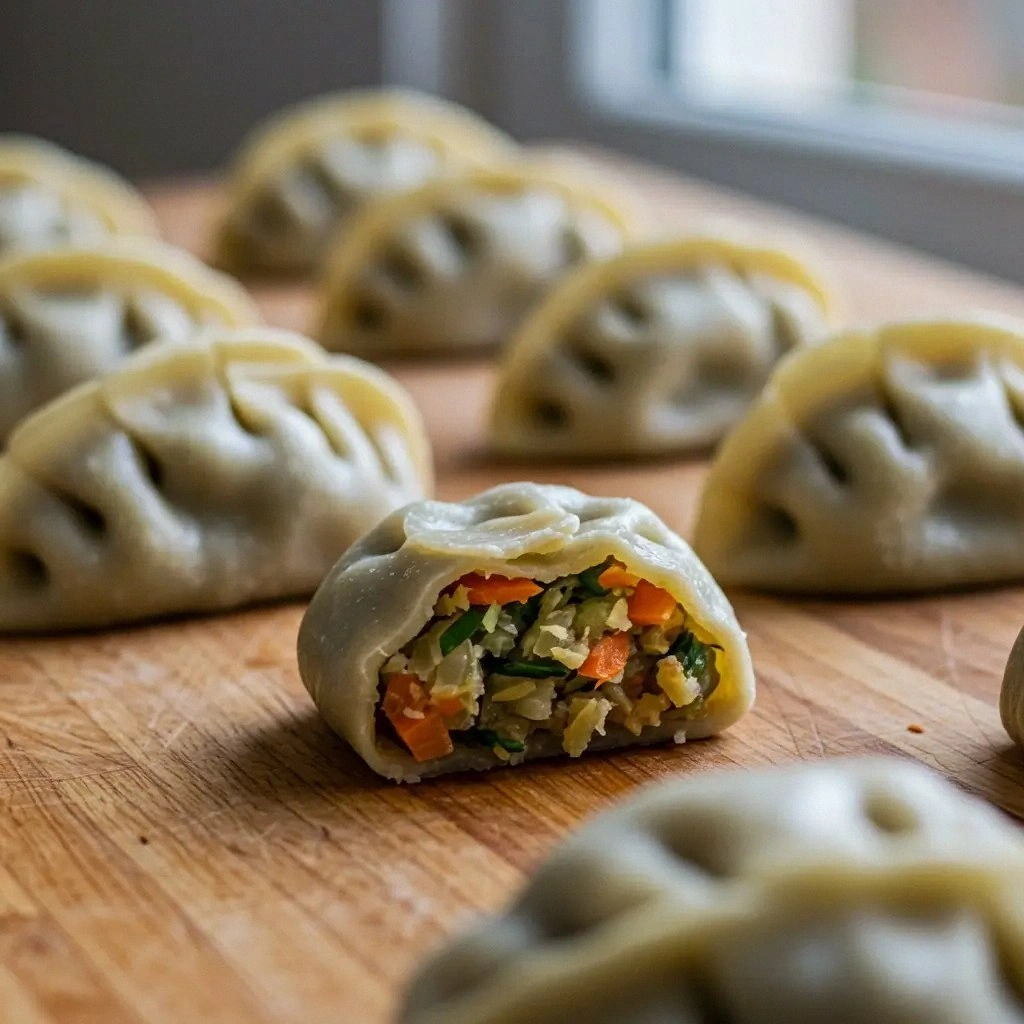
- Step 4: Assemble the dumplings. Place a tablespoon of the filling onto the center of each wrapper. Fold the dough in half to create a half‑moon shape, then pinch the edges together, sealing them with a little water. For a traditional pleated look, press a few pleats along the seam. If you prefer a more rustic style, simply crimp the edges. The key is to ensure the dumplings are sealed tightly so the filling doesn’t escape during cooking.
- Step 5: Steam the dumplings. Line a steamer basket with parchment paper or cabbage leaves to prevent sticking. Arrange the dumplings in a single layer, leaving space between each. Steam over boiling water for 8–10 minutes, or until the wrappers turn translucent and the filling is hot throughout. The steam should be vigorous, giving the dumplings a fluffy interior. While steaming, you’ll notice a pleasant aroma of garlic and ginger wafting up—this is the promise of flavor to come.
- Step 6: Pan‑fry for crispness. Heat a non‑stick skillet over medium‑high heat and add 1 tablespoon of vegetable oil. Once the oil shimmers, carefully place the steamed dumplings in the pan, flat side down. Fry for 2–3 minutes until the bottoms are golden brown and crispy. Flip the dumplings and add 1/4 cup of water to the pan, then cover immediately. The steam will finish cooking the dumplings inside while the bottom stays crisp. When the water has evaporated, remove the lid and fry for an additional 1–2 minutes until the bottoms are perfectly crisp. The contrast of the soft interior with the crunchy exterior is pure bliss.
- Step 7: Finish with sesame seeds. While the dumplings are still hot, sprinkle a light dusting of sesame seeds over them. The seeds add a nutty aroma and a subtle crunch that elevates the overall texture. Give the pan a gentle shake to ensure an even coating. The sesame seeds should be toasted lightly, but not burnt—watch closely to avoid over‑toasting.
- Step 8: Serve immediately. Arrange the dumplings on a platter and serve with a dipping sauce of soy sauce, rice vinegar, and a splash of sesame oil. The dipping sauce should be tangy and slightly sweet, with a hint of heat if you add chili flakes. The combination of the dipping sauce and the dumplings creates a layered flavor profile that’s impossible to resist. Remember: the dumplings are best enjoyed fresh, while the crust is still crisp and the filling is hot.
- Step 9: Enjoy and share. As you take your first bite, you’ll notice the delicate chew of the wrapper, the burst of savory filling, and the subtle nutty finish from the sesame seeds. The texture is a harmonious blend of soft, crunchy, and juicy. This is the moment of truth—you can’t help but smile. If you’ve ever struggled with making dumplings at home, you’re not alone—this is the fix you’ve been waiting for. And now the fun part: try adding a splash of sriracha to your dipping sauce for an extra kick.
- Step 10: Store leftovers. If you have leftovers, place them in an airtight container and refrigerate for up to 3 days. Reheat them in a steamer or microwave for 2 minutes, then finish in a skillet to restore crispness. The dumplings will still taste great, but the texture may be slightly softer. If you plan to keep them longer, freeze them before cooking; thaw and steam before pan‑frying. This step ensures you can enjoy these dumplings whenever you want, without the rush of cooking from scratch.
Insider Tricks for Flawless Results
The Temperature Rule Nobody Follows
Many cooks assume that a higher temperature always gives a better crust, but that’s a myth. The secret lies in achieving a steady, medium‑high heat that allows the oil to create a golden crust without burning. I use a thermometer to keep the oil at 350°F (175°C). If you’re using a non‑stick skillet, a small splash of water will tell you if the heat is too high—if it sizzles instantly, you’re good; if it vaporizes immediately, lower the heat. This trick ensures that the dumplings cook evenly and retain their moisture inside.
Why Your Nose Knows Best
Your sense of smell can guide you to the perfect doneness. When the dumplings are ready, you’ll notice a faint nutty aroma from the sesame seeds and a subtle sweetness from the cabbage. If the smell is too metallic, the oil is too hot. If it’s flat, the dough needs more hydration. Trust your nose; it’s the most reliable indicator that your dumplings are on point.
The 5‑Minute Rest That Changes Everything
After steaming, let the dumplings rest for five minutes before frying. This brief pause allows the steam to settle, preventing the wrappers from becoming soggy during the pan‑fry. During this rest, the filling continues to cook gently, ensuring a uniform temperature. If you rush straight into frying, the steam can cause the wrappers to puff and become uneven.
The Perfect Folding Technique
When sealing the dumplings, press the edges firmly with your fingertips. The pressure ensures a tight seal, preventing leaks. A common mistake is to use too little water when sealing; the dumplings will crack. Instead, use a small amount—just enough to form a thin film on the edges. A gentle squeeze with your thumb and forefinger works wonders. The result is a dumpling that holds its shape and delivers a satisfying bite.
The Quick Chill Trick
If you’re making a large batch, chill the filled dumplings for 10 minutes before frying. This step firms up the dough, making it easier to handle and reducing the chance of the wrappers tearing during the pan‑fry. It also helps the filling set, preventing it from spilling out. I keep a tray of chilled dumplings on the counter while I finish the rest of the batch.
Creative Twists and Variations
Spicy Kimchi Dumplings
Swap the Napa cabbage for a handful of chopped kimchi and add a splash of gochujang to the filling. The fermented tang pairs beautifully with the savory pork, creating a bold, umami‑rich dumpling that’s perfect for a winter gathering. The heat from the gochujang adds a subtle kick that lingers on the palate.
Mushroom & Spinach Fusion
Replace the pork with sautéed shiitake mushrooms and add a handful of fresh spinach to the filling. The earthy flavor of the mushrooms and the bright green spinach create a sophisticated, vegetarian option that still delivers on texture. The mushrooms add a meaty bite, while the spinach keeps the dish light.
Coconut‑Infused Dumplings
Add 1/4 cup of shredded coconut to the dough for a subtle tropical twist. The coconut brings a sweet, nutty aroma that pairs well with the savory filling. This variation is great for a brunch spread, offering a delightful contrast between sweet and savory.
Sweet Potato & Black Bean Dumplings
Blend 1/2 cup mashed sweet potato with 1/2 cup black beans for a hearty, protein‑rich filling. The sweet potato adds natural sweetness, while the beans provide a hearty texture. This version is a crowd‑pleaser for those who love a touch of sweetness in their savory dishes.
Sichuan Peppercorn Dumplings
Infuse the filling with a pinch of Sichuan peppercorn powder and a splash of chili oil. The peppercorn’s numbing heat adds an exciting layer of flavor that’s both spicy and tingling. Pair these dumplings with a cool cucumber salad to balance the heat.
Herb‑Infused Dumplings
Add a handful of fresh herbs—such as cilantro, basil, and mint—to the filling. The herbs bring a bright, aromatic quality that cuts through the richness of the pork. This variation is perfect for a summer dinner, offering a refreshing twist.
Storing and Bringing It Back to Life
Fridge Storage
Place the cooked dumplings in an airtight container and refrigerate for up to 3 days. The dumplings will remain fresh, but the crispness of the edges may soften slightly. To restore the crunch, reheat them in a dry skillet over medium heat for 2 minutes, turning once.
Freezer Friendly
For longer storage, freeze the dumplings before cooking. Lay them on a parchment‑lined tray in a single layer, then transfer the tray to a freezer bag. They can be frozen for up to 2 months. When ready to use, steam or pan‑fry directly from the freezer; no need to thaw first.
Best Reheating Method
Reheat frozen or refrigerated dumplings in a steamer for 5 minutes to warm them through. For a quick crisp, finish them in a hot skillet with a splash of water, covering until the water evaporates. Add a tiny splash of water before reheating; it steams back to perfection, giving the dumplings a fresh, tender interior while preserving the crisp exterior.