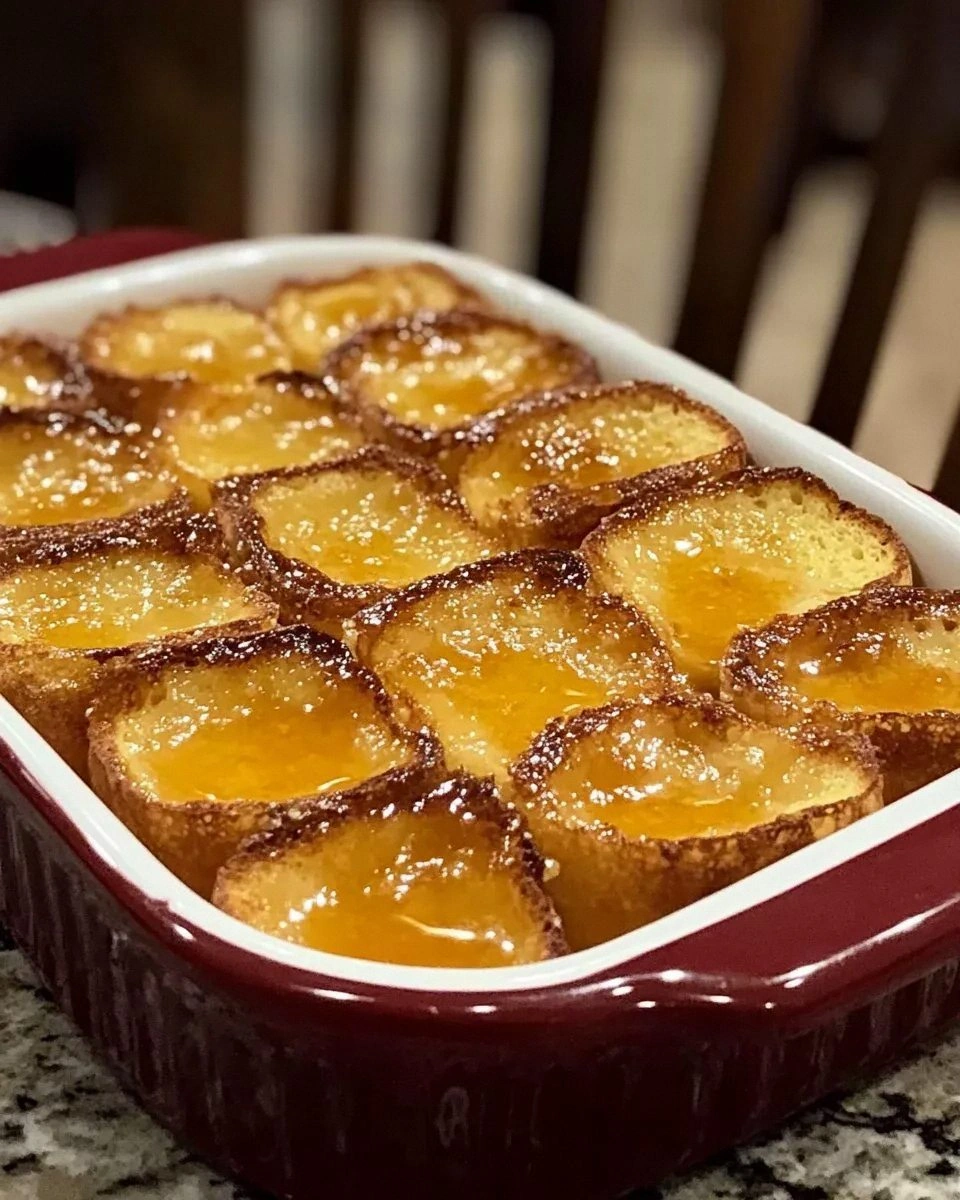
I was half‑asleep, staring at the clock, when my roommate shouted, “You’ve got to try the French toast I made last night!” I laughed, because the only French toast I’d ever made was a soggy, butter‑drenched disaster that could double as a paper towel. But the next morning, the scent of caramelized sugar and vanilla wafted through the apartment like a siren song, and I was instantly hooked. I dared you to taste this and not go back for seconds—trust me, the cravings are real. That moment sparked a culinary obsession that led me to perfect a version that feels like a crème brûlée in every bite, yet is as easy as setting a timer before bed.
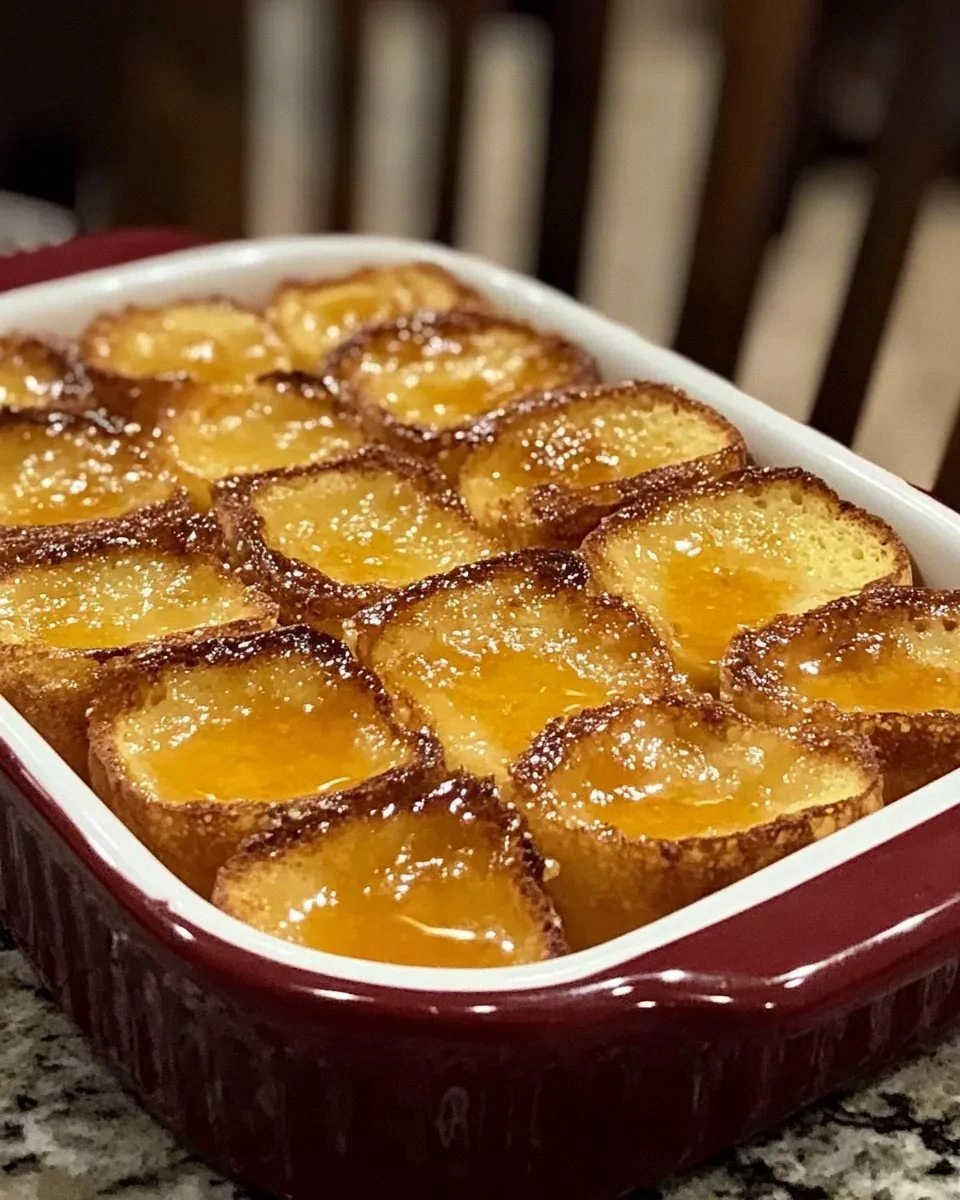
Picture this: the crust of the toast crackles like fresh autumn leaves underfoot, while the interior stays buttery soft, soaked in a custardy mixture that’s been marinating overnight. When you finally slice through, the top shatters with a caramelized crack that echoes the satisfying snap of a perfectly set crème brûlée. The aroma? A warm hug of vanilla, cinnamon, and a hint of caramel that makes the whole kitchen feel like a Parisian café at sunrise. The texture dance between crisp and creamy is the kind of culinary choreography that makes you forget about the alarm clock entirely.
Most recipes get this completely wrong. They either drown the bread in a soggy batter or skip the caramelized top entirely, leaving you with a bland, mushy mess. Here’s what actually works: an overnight soak that lets the bread absorb the custard without falling apart, a butter‑brown sugar glaze that caramelizes beautifully, and a finishing torch or broiler blast that creates that iconic brûlée crust. The secret ingredient? A splash of corn syrup that prevents the sugar from crystallizing, giving you that glossy, glass‑like finish you only see in high‑end brunch spots.
I’ll be honest — I ate half the batch before anyone else got to try it, and that’s a confession you’ll hear from many who have fallen under this spell. The beauty of this dish is that it’s a make‑ahead marvel; you can prep it the night before, pop it in the oven in the morning, and still have that fresh‑out‑of‑the‑oven magic. Okay, ready for the game‑changer? Let me walk you through every single step — by the end, you’ll wonder how you ever made it any other way.
What Makes This Version Stand Out
- Taste: The sweet‑vanilla custard meets a buttery, caramel‑kissed crust, delivering a flavor punch that feels both familiar and indulgent.
- Texture: You get a crisp, golden exterior that shatters like thin ice, while the interior stays as soft as a cloud‑kissed pillow.
- Simplicity: Only a handful of pantry staples, no fancy equipment—just a loaf of French bread and a trusty kitchen torch.
- Uniqueness: The overnight soak infuses the bread with custard without making it soggy, a trick most recipes overlook.
- Crowd Reaction: Friends declare it “the best breakfast ever” and instantly ask for the recipe, guaranteeing repeat requests.
- Ingredient Quality: Using real butter and heavy cream elevates the richness, turning a simple toast into a luxe brunch centerpiece.
- Cooking Method: The combination of stovetop caramelization and a quick broiler finish creates that signature brûlée crack.
- Make‑Ahead Potential: Prep the night before, bake in the morning, and you’ve got a stress‑free, show‑stopping breakfast.
Alright, let's break down exactly what goes into this masterpiece...
Inside the Ingredient List
The Flavor Base
The heavy cream and whole milk form the custard’s backbone, delivering that silky mouthfeel you expect from a classic crème brûlée. Heavy cream adds richness, while the milk lightens the mixture so the bread doesn’t become overly dense. If you swap the milk for almond or oat milk, you’ll get a slightly nutty undertone, but the custard won’t be as velvety. Choose a cream with at least 35% fat for the best results; skimmed versions will make the mixture watery and the toast soggy.
The Sweet Symphony
Granulated sugar and brown sugar work together like a duet—granulated sugar dissolves quickly, while brown sugar adds molasses depth that mimics the caramel notes of a true brûlée. The corn syrup is the unsung hero; it prevents the sugar crystals from recrystallizing, giving you that glossy, melt‑in‑your‑mouth finish. If you’re avoiding corn syrup, substitute a tablespoon of honey, but expect a slightly different flavor profile.
The Texture Crew
Unsalted butter is melted and combined with the sugar to create a caramel glaze that coats each slice before baking. This butter‑sugar mixture is what gives the toast its signature crunch and golden hue. Using salted butter would throw off the balance, making the final dish unexpectedly salty. For a nutty twist, try browned butter; just be careful not to burn it.
The Unexpected Star
A loaf of French bread is the canvas for this masterpiece. Its sturdy crust and airy crumb soak up the custard without disintegrating, unlike softer sandwich breads. Look for a baguette‑style loaf with a crisp crust; if you can’t find French bread, a day‑old Italian ciabatta works surprisingly well. Slice the loaf into 1‑inch thick pieces for the perfect custard‑to‑bread ratio.
The Final Flourish
Vanilla extract, ground cinnamon, and a pinch of salt are the aromatic trio that elevate the flavor from good to unforgettable. The vanilla adds a warm, floral note, while the cinnamon provides a subtle spice that whispers of autumn mornings. The salt amplifies all the flavors, ensuring nothing tastes flat. If you love spice, a dash of nutmeg can be added without overwhelming the dish.
Everything's prepped? Good. Let's get into the real action...
The Method — Step by Step
Begin by slicing the French bread into 1‑inch thick pieces. Lay them out on a large baking sheet, making sure they don’t touch. This spacing allows each slice to soak evenly later on. I dare you to taste this and not go back for seconds once you’re done.
In a mixing bowl, whisk together the 5 large eggs, 1 cup heavy cream, 1 cup whole milk, 1/3 cup granulated sugar, 2 teaspoons vanilla extract, 1/4 teaspoon ground cinnamon, and 1/4 teaspoon salt. Whisk until the mixture is smooth and slightly frothy; you’ll notice tiny bubbles forming—that’s the air you want for a light custard. This next part? Pure magic.
Pour the custard over the sliced bread, covering each piece completely. Press the bread gently into the liquid, then cover the tray with plastic wrap and refrigerate overnight (or at least 8 hours). The overnight soak lets the flavors meld and the bread absorb the custard without turning mushy. Stay with me here — this is worth it.
When you’re ready to bake, preheat your oven to 350°F (175°C). While it heats, melt 1/2 cup unsalted butter in a saucepan over medium heat. Once melted, add 1 cup brown sugar and 2 tablespoons corn syrup, stirring until the mixture turns a deep amber and bubbles vigorously. That sizzle when it hits the pan? Absolute perfection.
Remove the soaked bread from the fridge. Using a pastry brush, lavish each slice with the caramel‑butter mixture, ensuring the tops are fully coated. This coating is what will give you that signature brûlée crust. Arrange the coated slices back onto the baking sheet, leaving a little space for the caramel to crisp.
Place the tray in the preheated oven and bake for 20‑25 minutes, or until the edges pull away from the pan and the top is a deep golden brown. You’ll hear a faint crackle as the caramel sets—listen for that, it’s your cue that the magic is happening.
For the final brûlée finish, switch the oven to broil on high. Keep a close eye (within 30 seconds) as the tops caramelize to a crisp, glass‑like surface. If you have a kitchen torch, you can achieve an even more controlled caramelization by torching each slice until you see the sugar melt and darken to a caramel hue.
Remove the toast from the oven and let it rest for 5 minutes. This short rest allows the custard interior to set slightly, making each bite cohesive. Slice each piece in half, dust with a pinch of extra cinnamon if desired, and serve immediately. That first bite? It’s a symphony of crisp, creamy, and caramelized bliss.
That's it — you did it. But hold on, I've got a few more tricks that'll take this to another level...
Insider Tricks for Flawless Results
The Temperature Rule Nobody Follows
Never bake your custard‑soaked toast at a temperature higher than 350°F. Higher heat forces the exterior to brown before the interior sets, resulting in a burnt crust and a runny center. Keep the oven at a gentle 350°F and you’ll get an even, golden crust with a perfectly set interior. My friend once cranked the oven to 425°F and ended up with a blackened mess—let's just say the brunch was a lesson learned.
Why Your Nose Knows Best
Your sense of smell is the ultimate timer. When the caramel glaze starts to emit a buttery, nutty aroma, you’re close to that perfect caramelization point. Trust that nose cue more than the clock—if the scent turns slightly smoky, pull the tray immediately to avoid bitterness. This sensory shortcut saved me countless minutes of trial and error.
The 5‑Minute Rest That Changes Everything
Allowing the toast to rest for five minutes after broiling lets the caramel crust settle and the custard interior firm up. Skipping this rest results in a crumbly interior that slides off the plate. Think of it like a soufflé—it needs a moment to set before you serve. This tiny pause makes the difference between a restaurant‑grade dish and a kitchen experiment.
Butter‑Brown Sugar Balance
When melting butter with brown sugar, keep the heat medium‑low and stir constantly. Too high a heat will cause the sugar to scorch, imparting a burnt flavor. A steady, gentle melt yields a glossy, amber glaze that clings perfectly to the bread. My first batch was a disaster because I turned the heat up too high—thankfully, the second try was flawless.
The Secret of the Corn Syrup
Corn syrup isn’t just for commercial candy; it prevents the sugar from crystallizing, ensuring a smooth, shiny caramel. If you omit it, you’ll notice a grainy texture on the crust, which is a major let‑down. A tablespoon of honey can substitute in a pinch, but expect a subtle honey flavor to emerge.
Creative Twists and Variations
This recipe is a playground. Here are some of my favorite ways to switch things up:
Berry‑Infused Brûlée
Add a handful of fresh raspberries or blueberries to the custard before soaking. The berries burst during baking, adding a tart contrast to the sweet caramel. Perfect for summer brunches where you want a pop of color and acidity.
Nutty Crunch
Stir in ¼ cup toasted chopped almonds or hazelnuts into the caramel butter mixture. The nuts add an extra layer of crunch and a buttery, toasty flavor that pairs beautifully with the vanilla custard.
Spiced Chai Twist
Swap the ground cinnamon for a chai spice blend (cardamom, ginger, clove, and black pepper). This gives the dish an exotic warmth that’s perfect for cozy fall mornings.
Savory Sunrise
Omit the vanilla and sugar, replace them with ½ cup grated Parmesan, a pinch of smoked paprika, and a drizzle of olive oil. The result is a savory French toast that works as a brunch main rather than a dessert.
Chocolate Dream
Add 2 tablespoons of cocoa powder to the custard and melt ½ cup dark chocolate into the caramel butter. The chocolate adds depth and turns the dish into a decadent treat for chocolate lovers.
Storing and Bringing It Back to Life
Fridge Storage
Allow the toast to cool completely, then store in an airtight container in the refrigerator for up to 3 days. Reheat gently in a 300°F oven for 8‑10 minutes, adding a splash of milk or water to the pan to create steam and revive the custard’s softness.
Freezer Friendly
Wrap each slice tightly in plastic wrap, then place them in a zip‑top freezer bag. They’ll keep for up to 2 months. To reheat, thaw overnight in the fridge, then bake at 350°F for 12‑15 minutes, finishing with a quick broil for that caramel crack.
Best Reheating Method
For the ultimate crunch, use a hot cast‑iron skillet: melt a teaspoon of butter, add the slice, and press down gently. Cover for 2 minutes to steam the interior, then uncover and let the bottom crisp for another minute. Add a tiny splash of water before covering—the steam will bring the custard back to life without drying it out.