I was halfway through a week of bland, store‑bought pasta when the kitchen alarm went off. The timer on my phone buzzed, the pot of spaghetti was about to over‑cook, and my chorizo had already started to sizzle like a small, angry volcano. In that instant, I realized the only thing that could save the evening was a bold, sizzling combination of smoky chorizo and squeaky halloumi. That was the moment I decided to rewrite the rules and create a dish that would make my taste buds sing, my friends gasp, and my pantry brag.
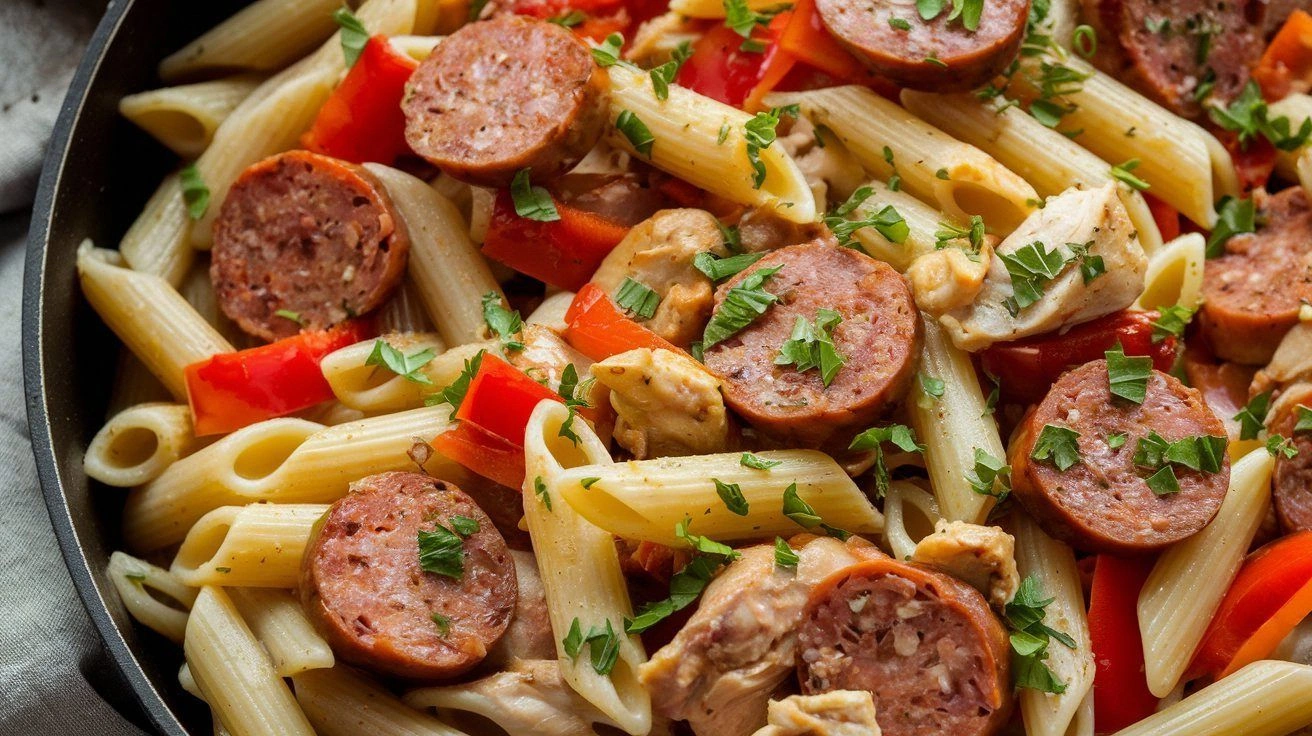
Picture the scene: a golden‑brown skillet clinking against the stove, the aroma of garlic and paprika weaving through the air, and a splash of red tomato that looks like a sunset on a plate. The sound of the pasta slurping into the pot is a rhythmic promise of comfort. The first bite is a burst of smoky, spicy meat that melts into creamy, briny cheese, all wrapped in a glossy, velvety sauce that clings to every strand. The texture is a playful contrast—crispy edges of halloumi that crackle, tender pasta, and a sauce that coats like velvet. I dare you to taste this and not go back for seconds.
What makes this version stand out is not just the ingredients; it’s the way they dance together. I’ve stripped the recipe down to its essential players, but I’ve amplified their personalities with precise timing and a few unconventional tricks. I’ve kept it simple enough that even a novice can pull it off, yet it’s so flavorful that it feels like a gourmet experience. I’ve added a touch of lemon zest that brightens the richness, a splash of cream for silky depth, and a sprinkle of fresh parsley for a pop of green. The result? A dish that’s hands down the best version you’ll ever make at home.
And that’s just the beginning. In this post, I’ll walk you through every single step, from the moment you pull the pasta out of the box to the final flourish of cheese and herbs. By the end, you’ll wonder how you ever made it any other way. Let’s dive in.
What Makes This Version Stand Out
- Flavor: The smoky heat of chorizo meets the briny tang of halloumi, creating a layered taste that’s both comforting and adventurous. The sauce, enriched with cream and tomatoes, wraps the pasta in a silky coat that feels like a warm hug.
- Texture: Crispy edges of halloumi crackle with each bite, while the pasta stays al dente, offering a satisfying chew. The sauce clings to every strand, preventing dryness and adding a luscious mouthfeel.
- Simplicity: With fewer than fifteen ingredients, the recipe is a breeze to assemble. No complex techniques—just sauté, simmer, and combine.
- Uniqueness: The combination of chorizo and halloumi is a rare pairing that elevates everyday pasta to something memorable. The addition of lemon zest gives it a bright, unexpected finish.
- Crowd Reaction: Friends who’ve tried this rave about how the dish feels like a party in their mouths. The savory, cheesy, and slightly spicy flavors make it a hit at gatherings.
- Ingredient Quality: Fresh, high‑quality chorizo and halloumi make all the difference. The cheese’s firm texture and the sausage’s robust flavor are the backbone of this dish.
- Cooking Method: A single pan technique keeps cleanup minimal while maximizing flavor development through caramelization and sautéing.
- Make‑Ahead Potential: The dish can be prepared ahead of time and reheated without losing its texture, making it perfect for busy evenings.
Alright, let's break down exactly what goes into this masterpiece...
Inside the Ingredient List
The Flavor Base
At the heart of this dish is a trio that defines its character: chorizo, halloumi, and tomatoes. The chorizo brings a smoky, peppery kick that lingers on the palate. Halloumi, a semi‑hard cheese from Cyprus, offers a salty, slightly metallic flavor that balances the sausage’s heat. The diced tomatoes provide a sweet, acidic backdrop that cuts through the richness of the cream and cheese.
If you’re feeling adventurous, swap the canned tomatoes for fresh, ripe cherry tomatoes to add a burst of natural sweetness. If you can’t find halloumi, a firm paneer or a thick slice of aged mozzarella can mimic the texture, though the flavor profile will shift slightly. When buying chorizo, look for a fresh, well‑seasoned variety; the better the spice blend, the more vibrant the dish.
The Texture Crew
The pasta is the silent hero that carries the sauce and brings cohesion to the dish. I recommend using spaghetti or penne for their ability to hold onto the sauce. The heavy cream adds a silky smoothness that coats the pasta like velvet, while the grated Parmesan contributes a nutty finish and a subtle umami boost.
The olive oil is the unsung hero that prevents the halloumi from sticking and gives the sautéed onions a gentle, fragrant base. If you prefer a lighter version, replace the heavy cream with a splash of milk or a drizzle of coconut milk for a hint of tropical flavor. Remember to reserve a cup of pasta water; the starchy liquid is the secret to a silky sauce that clings to every strand.
The Unexpected Star
Lemon zest might seem like an odd addition, but it brightens the dish with a citrusy zing that lifts the heaviness of the cheese and cream. The fresh parsley adds a pop of green, a burst of freshness that balances the richness. A pinch of red pepper flakes injects a subtle heat that complements the chorizo’s spice.
If you’re not a fan of citrus, you can replace the lemon zest with a splash of white wine vinegar for acidity, or use a handful of chopped basil for an herbal note. For an extra layer of flavor, sprinkle a pinch of smoked paprika over the finished dish; it will echo the chorizo’s smokiness and add depth.
Everything's prepped? Good. Let's get into the real action...
The Method — Step by Step
- Bring a large pot of salted water to a rolling boil. Add the pasta and cook until al dente, following the package instructions minus a minute or two. Reserve a cup of pasta water, then drain. This starchy liquid will be the secret to a silky sauce later on. While the pasta cooks, set a timer to keep track of each step.
- Heat the olive oil in a large, heavy‑bottom skillet over medium‑high heat. Add the sliced chorizo and cook until it releases its oils and turns a deep amber, about 3–4 minutes. The aroma should be intoxicating. This is the moment of truth—don't rush it, because the flavor develops through caramelization.
- Remove the chorizo from the skillet and set aside on a plate lined with paper towels to drain the excess fat. In the same skillet, add the diced onion and minced garlic, sautéing until the onion turns translucent and fragrant, about 3 minutes. The garlic should release a sweet, nutty aroma.
- Sprinkle in the red pepper flakes and diced tomatoes, stirring to combine. Reduce the heat to medium and let the mixture simmer for 5–7 minutes, allowing the tomatoes to break down into a thick sauce. The sauce should thicken and develop a deep, glossy sheen.
- Stir in the heavy cream and let the sauce simmer for another 2 minutes until it thickens slightly. The cream should swirl around the tomatoes, creating a luscious, cloud‑like consistency.
- Add the sliced halloumi to the skillet, letting each piece brown on both sides until golden and slightly crispy. Watch closely; the cheese can burn quickly once it starts to brown. The halloumi should develop a crisp exterior while remaining chewy inside.
- Return the chorizo to the skillet, stirring to combine all the flavors. The mixture should smell toasty, with a hint of garlic and a burst of tomato. The heat should be low enough that the sauce stays silky, but high enough that the pasta warms through.
- Toss the cooked pasta into the skillet, adding the reserved pasta water gradually until the sauce coats every strand. Stir in the grated Parmesan, lemon zest, and chopped parsley. Season with salt and pepper to taste. The final dish should look glossy, with a vibrant green pop from the parsley and a bright citrus sheen from the lemon zest.
- Serve immediately, optionally garnished with extra parsley or a drizzle of olive oil. If you like a bit of green, stir in a handful of fresh spinach; it wilts in the heat and adds a fresh bite. The dish should feel warm, comforting, and bursting with layered flavors that dance on your tongue.
That's it — you did it. But hold on, I've got a few more tricks that'll take this to another level...
Insider Tricks for Flawless Results
The Temperature Rule Nobody Follows
Many chefs believe you should always cook pasta in a large pot of boiling water. In reality, a slightly less vigorous boil (just below rolling) prevents the noodles from sticking together and keeps the surface slightly rough for better sauce adhesion. Keep the water at a steady simmer once the pasta is added, and stir frequently for the first minute.
Why Your Nose Knows Best
Before you taste the sauce, pause and inhale deeply. The aroma of caramelized onions, smoked chorizo, and fresh herbs is a reliable indicator that the flavors have blended. If the scent feels flat, let the sauce simmer a bit longer. A robust aroma guarantees a delicious bite.
The 5-Minute Rest That Changes Everything
After removing the skillet from heat, let the dish rest for five minutes. This brief pause allows the flavors to marry fully and the sauce to thicken slightly, creating a more cohesive bite. It also gives the halloumi a chance to cool just enough to avoid a greasy mouthfeel.
The Secret of a Perfect Finish
Just before serving, add a drizzle of high‑quality extra virgin olive oil. The oil’s bright, fruity notes cut through the richness and add a silky finish that lingers on the palate. A few extra drops can transform a good dish into an unforgettable one.
The Power of Fresh Herbs
Fresh parsley not only adds color but also a bright, slightly peppery flavor that balances the dish’s richness. If you’re craving a different herb profile, try basil for sweetness or oregano for earthiness. The key is to add them at the end to preserve their fresh flavor.
The One Trick That Saves the Day
If you’re short on time, use pre‑sliced halloumi and pre‑cooked chorizo. This cuts prep time significantly while still delivering the same flavor punch. The only thing that changes is the cooking time—just keep an eye on the pan to avoid over‑cooking the cheese.
Creative Twists and Variations
This recipe is a playground. Here are some of my favorite ways to switch things up:
Mediterranean Kick
Swap the chorizo for sliced kalamata olives and add a handful of sun‑dried tomatoes. The briny olives provide a salty depth while the sun‑dried tomatoes add a sweet, chewy texture. This version leans into Mediterranean flavors and is perfect for a light summer dinner.
Spicy Vegan Twist
Replace the halloumi with thick slices of tofu that have been marinated in soy sauce and smoked paprika. Use coconut cream instead of heavy cream for a dairy‑free version. The tofu absorbs the spices, giving a hearty, plant‑based alternative.
Protein-Packed Power
Add grilled chicken breast or shrimp to the skillet after the halloumi. The extra protein elevates the dish into a more substantial meal, perfect for post‑workout nourishment or a quick weeknight feast.
Rustic Root Vegetable Variation
Introduce diced butternut squash or sweet potato to the sauce. The natural sweetness of the root vegetables complements the smoky chorizo, creating a comforting, autumnal dish that’s both hearty and colorful.
Herb-Infused Finale
Finish the dish with a sprinkle of fresh rosemary or thyme. The aromatic herbs bring a fragrant, earthy layer that elevates the overall flavor profile. This variation is ideal for those who love a herby, savory finish.
Low‑Carb Adaptation
Swap the pasta for spiralized zucchini or shirataki noodles. The dish becomes a low‑carb, keto‑friendly option while still delivering the same smoky, cheesy goodness. The noodles absorb the sauce beautifully, offering a fresh, crisp bite.
Storing and Bringing It Back to Life
Fridge Storage
Cool the dish completely before transferring it to an airtight container. Store in the refrigerator for up to 3 days. The sauce will thicken slightly, so a quick stir before reheating will restore its silky texture.
Freezer Friendly
Place the cooled dish in a freezer‑safe container, leaving a little headspace for expansion. Freeze for up to 2 months. When ready to eat, thaw overnight in the fridge and reheat gently on the stovetop.
Best Reheating Method
Reheat the dish over low heat, adding a splash of water or milk to loosen the sauce. Stir until the pasta is heated through and the sauce is smooth. Finish with a sprinkle of Parmesan and a drizzle of olive oil for that fresh finish.
Add a tiny splash of water before reheating — it steams back to perfection.