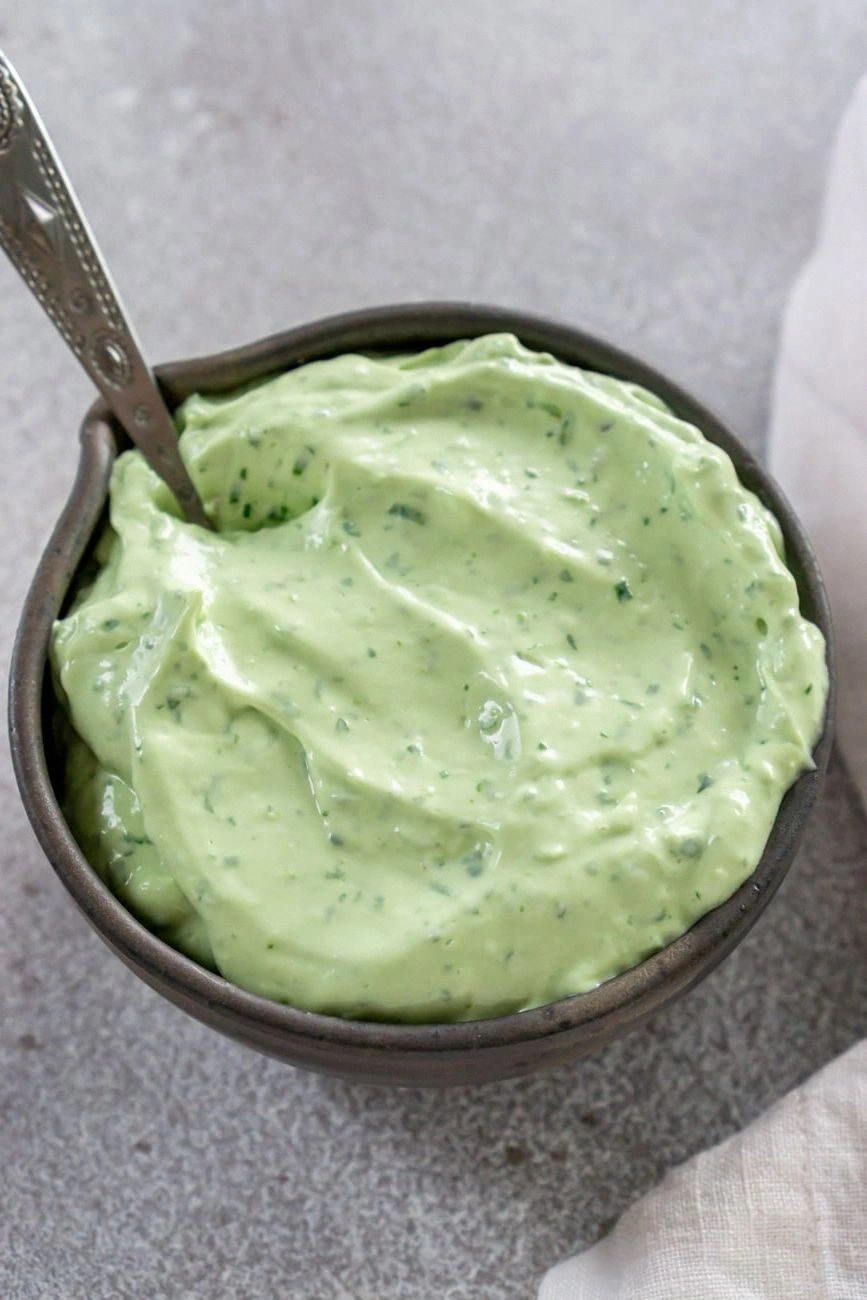
I still remember the night my kitchen turned into a battlefield. I had a last‑minute dinner invitation, a stack of ingredients that had been gathering dust, and a stubborn sense of culinary adventure. The pasta was already boiling, the tomatoes were bruised, and the basil was wilted—just the kind of chaos that turns a normal evening into a culinary experiment. I stared at the pot, then at the clock, and decided to throw caution to the wind. That decision birthed the Easy One‑Pan Pesto Veggie Past, a dish that refuses to be ordinary.
Picture the aroma: basil and pine nuts sizzling in olive oil, the sweet pop of cherry tomatoes, and the gentle steam of vegetable broth mingling with creamy cashew cream. The sound is a chorus of sizzling and bubbling, a rhythmic reminder that the kitchen is alive. The texture starts with the al dente bite of penne, then layers of silky sauce that coat each strand like velvet, followed by the crunch of fresh peppers and the tender kiss of spinach. Every bite is a sensory journey—sweet, herbaceous, creamy, and a hint of nutty warmth.
What sets this version apart is the single‑pan simplicity combined with a creamy pesto twist that elevates every component. Most recipes get this completely wrong by separating sauce and vegetables, but here everything cooks together, absorbing each other’s flavors. The broth not only cooks the pasta but also creates a broth‑based sauce that’s lighter than cream yet rich enough to satisfy. The heavy cream or cashew cream is folded in at the end, giving the dish a luscious finish without overpowering the fresh vegetables.
And the kicker? A secret ingredient that most pesto recipes skip—baby spinach. It adds a subtle earthiness and a pop of color that makes the dish look as good as it tastes. I dare you to taste this and not go back for seconds. The next few paragraphs will walk you through every step, so by the end you’ll wonder how you ever made it any other way.
What Makes This Version Stand Out
- Flavor: The basil and pine nut pesto is fresh and bright, yet the addition of creamy cashew cream rounds it out into a silky, comforting sauce that feels indulgent without being heavy.
- Texture: The al dente penne, crisp bell peppers, juicy cherry tomatoes, and tender zucchini create a symphony of textures that dance on the palate.
- Simplicity: One pan, one pot, and a single pot of broth—no separate sauce pan or extra dishes to clean up.
- Uniqueness: The broth‑based pesto and the late‑stage addition of cream give this dish a distinct character that sets it apart from classic pesto pasta.
- Crowd Reaction: Friends who’ve tried it say it’s “the best version they’ve ever made at home,” and they’re not exaggerating.
- Ingredient Quality: Using fresh basil, high‑quality pine nuts, and real Parmesan cheese transforms the dish from good to unforgettable.
- Cooking Method: The one‑pan technique reduces cooking time and keeps the flavors from dissipating.
- Make‑Ahead Potential: The dish can be prepared ahead of time, reheat, and still taste fresh—perfect for busy weeknights.
Alright, let's break down exactly what goes into this masterpiece. Below are the ingredients, grouped for clarity, and a few insider tips to make your experience flawless.
Inside the Ingredient List
The Flavor Base
The 2 cups of vegetable broth are the backbone of this dish. They cook the pasta to perfection while infusing it with a subtle, savory depth that complements the basil. If you’re using store‑bought broth, choose one with a low sodium level to keep the sauce from becoming too salty. Skipping this step would leave your pasta dry and the sauce thin, turning a potential crowd‑pleaser into a forgettable meal.
The Pesto Powerhouse
Fresh basil, pine nuts, Parmesan cheese, garlic, and olive oil combine to create a pesto that’s bright, nutty, and aromatic. The basil’s essential oils are released when it’s chopped and blended, giving the sauce that unmistakable green glow. If you’re in a pinch, toasted walnuts can substitute pine nuts for a slightly different flavor profile. Always taste the pesto before adding it to the pan; it should be vibrant and not bitter.
The Vegetable Ensemble
Cherry tomatoes burst with juice, adding a sweet tang that balances the earthiness of basil. Zucchini and bell peppers provide crunch and color, while baby spinach melts into the sauce, adding a subtle green hue and a dose of iron. Skipping any of these veggies changes the texture and flavor balance; for example, leaving out the spinach will make the sauce slightly less cohesive.
The Creamy Finale
The half cup of heavy cream or cashew cream is folded in at the end to give the dish a luxurious mouthfeel without overwhelming the fresh flavors. Cashew cream, in particular, offers a subtle nutty undertone that complements the pine nuts. If you prefer a dairy‑free option, try coconut milk, but be aware it will add a faint coconut flavor.
Everything’s prepped? Good. Let’s get into the real action.
The Method — Step by Step
- Heat a large, wide skillet or Dutch oven over medium heat and add the olive oil. Once the oil shimmers, add the minced garlic and sauté for about 30 seconds until fragrant but not browned. This quick burst of aroma sets the foundation for the pesto base.
- Add the fresh basil leaves, pine nuts, and Parmesan cheese. Toss them together until the mixture starts to form a rough paste. The basil’s oils will begin to release, and you’ll notice the scent of fresh herbs filling the air.
- Pour in the vegetable broth and bring the mixture to a gentle simmer. As the broth heats, it dissolves the pesto ingredients, creating a cohesive sauce that will coat the pasta evenly.
- Stir in the penne pasta, ensuring each noodle is submerged in the broth. Cook for 8–10 minutes, stirring occasionally, until the pasta reaches al dente and the broth has mostly evaporated. The pasta will absorb the sauce, becoming infused with basil flavor.
- Add the cherry tomatoes, sliced zucchini, diced bell peppers, and baby spinach. The vegetables will soften but retain their bright colors. Cook for another 4–5 minutes, allowing the flavors to meld.
- Reduce the heat to low and pour in the heavy cream or cashew cream. Stir gently until the sauce thickens and coats the pasta and vegetables. This is the moment of truth—your dish should look silky and glossy.
- Taste and adjust seasoning with salt and pepper. If you prefer a sharper bite, a squeeze of fresh lemon juice can brighten the flavors. Let it simmer for an additional minute to blend the ingredients.
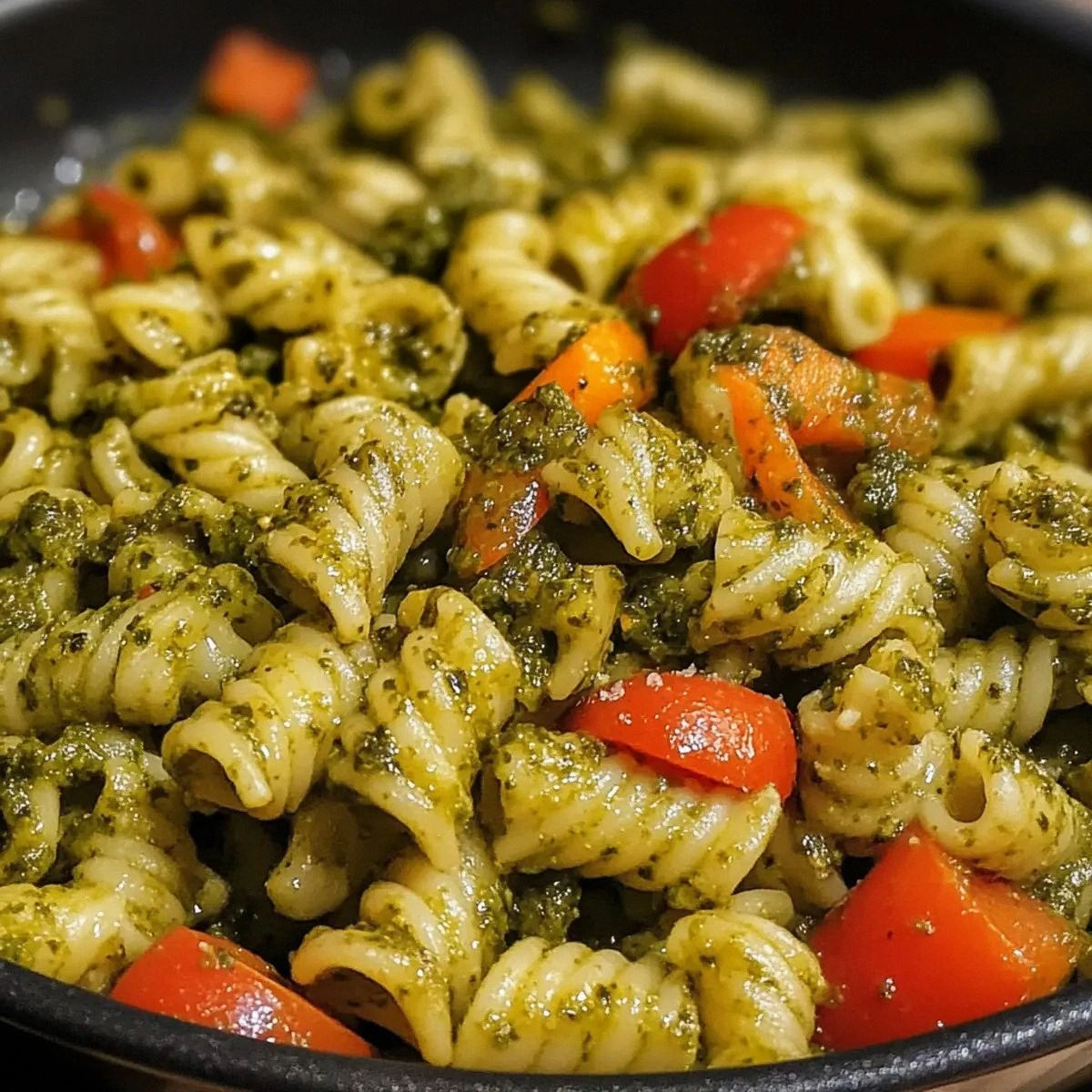
- Serve hot, garnished with extra grated Parmesan and a handful of fresh basil leaves. The final dish should be aromatic, colorful, and creamy, with each bite delivering a burst of herbaceous freshness and comforting richness.
That’s it—you did it! But hold on, I’ve got a few more tricks that will take this to another level. The next section will reveal insider tips that can transform any ordinary pasta dinner into a culinary masterpiece.
Insider Tricks for Flawless Results
The Temperature Rule Nobody Follows
Keep the heat low once you add the cream. A gentle simmer preserves the sauce’s silky texture and prevents it from scorching. If you accidentally let it boil, whisk in a splash of cold water to bring the temperature down quickly.
Why Your Nose Knows Best
Before you finish the dish, give it a quick sniff. A faint burnt aroma signals that the garlic is overcooked. A fresh herb scent indicates the basil is still vibrant. Trusting your nose can save you from a culinary misstep.
The 5-Minute Rest That Changes Everything
After cooking, let the pasta sit covered for five minutes off the heat. This allows the flavors to redistribute and the sauce to thicken slightly, giving each bite a richer experience.
The Veggie‑First Approach
Sauté the vegetables before adding the broth. This step caramelizes their natural sugars, adding depth to the sauce. It also ensures they don’t become mushy when the pasta cooks.
The Parmesan Finish
Grate fresh Parmesan just before serving. This adds a burst of umami that pairs beautifully with the creamy sauce. A sprinkle of cracked black pepper adds a subtle heat that balances the dish.
Creative Twists and Variations
This recipe is a playground. Here are some of my favorite ways to switch things up:
Protein Power
Add grilled chicken, shrimp, or crumbled chickpeas for protein. The meat’s smoky char or the chickpeas’ nutty texture adds another dimension to the dish, making it a hearty main course.
Cheesy Explosion
Swap the Parmesan for a blend of mozzarella and provolone. The melted cheese will create a gooey, melty layer that pairs wonderfully with the creamy sauce.
Spicy Kick
Stir in a pinch of red pepper flakes or a splash of hot sauce. The heat will cut through the richness and give the dish an exciting edge.
Herb Swap
Replace basil with cilantro for a fresh, citrusy flavor or use parsley for a milder herb profile. Each herb brings a distinct aroma that can transform the dish’s character.
Mediterranean Twist
Add olives, capers, and sun‑dried tomatoes for a Mediterranean flair. The briny and sweet notes complement the pesto’s herbaceousness.
Storing and Bringing It Back to Life
Fridge Storage
Cool the dish completely, then transfer to an airtight container. Store in the refrigerator for up to 3 days. The sauce may thicken; add a splash of milk or broth when reheating.
Freezer Friendly
Divide the pasta into portions and place in freezer‑safe bags. Freeze for up to 2 months. Thaw overnight in the refrigerator before reheating.
Best Reheating Method
Reheat in a skillet over low heat, adding a small amount of water or broth to loosen the sauce. Stir constantly until the dish is heated through and silky again.