I was staring at a frozen lobster tail on my kitchen counter, feeling a mix of excitement and dread. The last time I tried cooking lobster, I had melted the shell in a saucepan and ended up with a soggy, flavorless mess that even my cat refused to touch. That night, I swore I’d never again let a lobster tail be more than a fancy garnish. So when a friend dared me to whip up a creamy, garlicky masterpiece that would make my guests swoon, I took the challenge, and the result has been nothing short of a culinary revelation.
Picture this: the kitchen is humming, a gentle clink of metal pans, the sharp, sweet scent of fresh garlic dancing in the air. The lobster tails sit on the counter, their pink flesh a promise of indulgence. As the butter melts, the sizzle is almost a drumbeat, each bubble a herald of richness to come. When the sauce turns a silky gold, the aroma is like a velvet curtain opening to reveal a secret garden. And when you taste it, the buttery garlic, the bright lemon, and the subtle heat of smoked paprika mingle like old friends at a reunion.
What makes this version stand out is not just the ingredients—though each is chosen with precision—but the way they interact. The sauce coats the lobster like a silk glove, leaving every bite tender and bursting with flavor. The garlic is roasted to caramelized perfection, giving depth without overpowering. The lemon brightens the dish, cutting through the richness like a fresh breeze on a hot day. The result is a dish that feels both luxurious and approachable, a balance that most recipes miss.
There’s one trick that most people overlook: adding a splash of white wine before the cream. It deglazes the pan, lifts the garlic’s flavor, and gives the sauce a subtle acidity that keeps the dish from feeling heavy. And trust me, this is hands down the best version you’ll ever make at home. If you’re ready to elevate your lobster game, let me walk you through every single step—by the end, you’ll wonder how you ever made it any other way.
What Makes This Version Stand Out
- Taste: The sauce is a harmonious blend of buttery richness, roasted garlic sweetness, and citrus brightness, creating a flavor profile that’s both complex and comforting.
- Texture: The lobster meat stays moist and tender, while the sauce provides a silky coating that doesn’t overpower the delicate seafood.
- Simplicity: With just a handful of ingredients and a straightforward method, you can achieve gourmet results without a culinary degree.
- Uniqueness: The addition of a touch of smoked paprika and a splash of white wine gives this dish a distinctive edge that sets it apart from conventional lobster recipes.
- Crowd Reaction: Guests consistently remark on the “wow” factor—this dish is the centerpiece that turns a dinner into a memorable event.
- Ingredient Quality: Fresh lobster tails, real butter, and high‑quality cream elevate the dish beyond a standard copycat recipe.
- Cooking Method: Sealing the lobster in a quick sear before finishing it in a luscious sauce ensures maximum flavor and a stunning presentation.
- Make‑Ahead Potential: The sauce can be prepared in advance and reheated, making this dish perfect for dinner parties or special occasions.
Inside the Ingredient List
The Flavor Base
At the heart of this dish is a simple yet powerful combination of butter, garlic, and shallot. Butter provides a rich, velvety backdrop that carries the other flavors. The garlic, when roasted, turns golden and develops a caramelized sweetness that balances the buttery depth. Shallot adds a subtle oniony nuance that elevates the sauce’s complexity. Together, they form a foundation that makes the sauce sing.
If you skip the garlic, the sauce will feel flat and less inviting. It’s the sweet, roasted notes that create that “wow” moment when you first taste the lobster. Should you find fresh garlic hard to source, a tablespoon of garlic paste can suffice, but be mindful of its intensity—adjust to taste.
The Texture Crew
Heavy cream is the secret to that silky coating that clings to every bite of lobster. It adds body and a luxurious mouthfeel that makes the dish feel indulgent. When combined with a splash of white wine, the cream’s richness is balanced by a subtle acidity, preventing it from becoming cloying. A pinch of smoked paprika introduces a gentle heat and a smoky undertone that complements the seafood’s natural sweetness.
If you prefer a lighter version, substitute half‑and‑half for the heavy cream; the sauce will still be creamy but with less fat. Keep in mind that a lighter sauce may not cling as strongly, so the lobster may seem slightly drier.
The Unexpected Star
Lemon juice is the unsung hero that brightens the entire dish. It cuts through the buttery richness, adding a zesty lift that awakens the palate. The acidity also helps to tenderize the lobster meat slightly, ensuring each bite is perfectly tender. A splash of fresh thyme or parsley adds a herbal freshness that rounds off the flavor profile.
If you’re craving a more pronounced herbal note, try adding a few fresh dill sprigs; the dill’s citrusy flavor pairs wonderfully with the lemon. However, be cautious—too much dill can overwhelm the delicate lobster flavor.
The Final Flourish
A final touch of fresh parsley, a sprinkle of Parmesan, and a pinch of cayenne pepper bring the dish together. Parsley adds a pop of color and a clean, herbaceous finish. Parmesan provides a subtle nutty depth that complements the creamy sauce, while cayenne offers a gentle heat that keeps the dish from feeling too mellow.
If you’re vegetarian, replace the lobster with sautéed shrimp or even a hearty portobello mushroom cap. The sauce will still shine, though the flavor profile will shift slightly toward a more earthy tone. Experimenting with these swaps can keep the recipe fresh and exciting for repeat diners.
Everything’s prepped? Good. Let’s get into the real action.
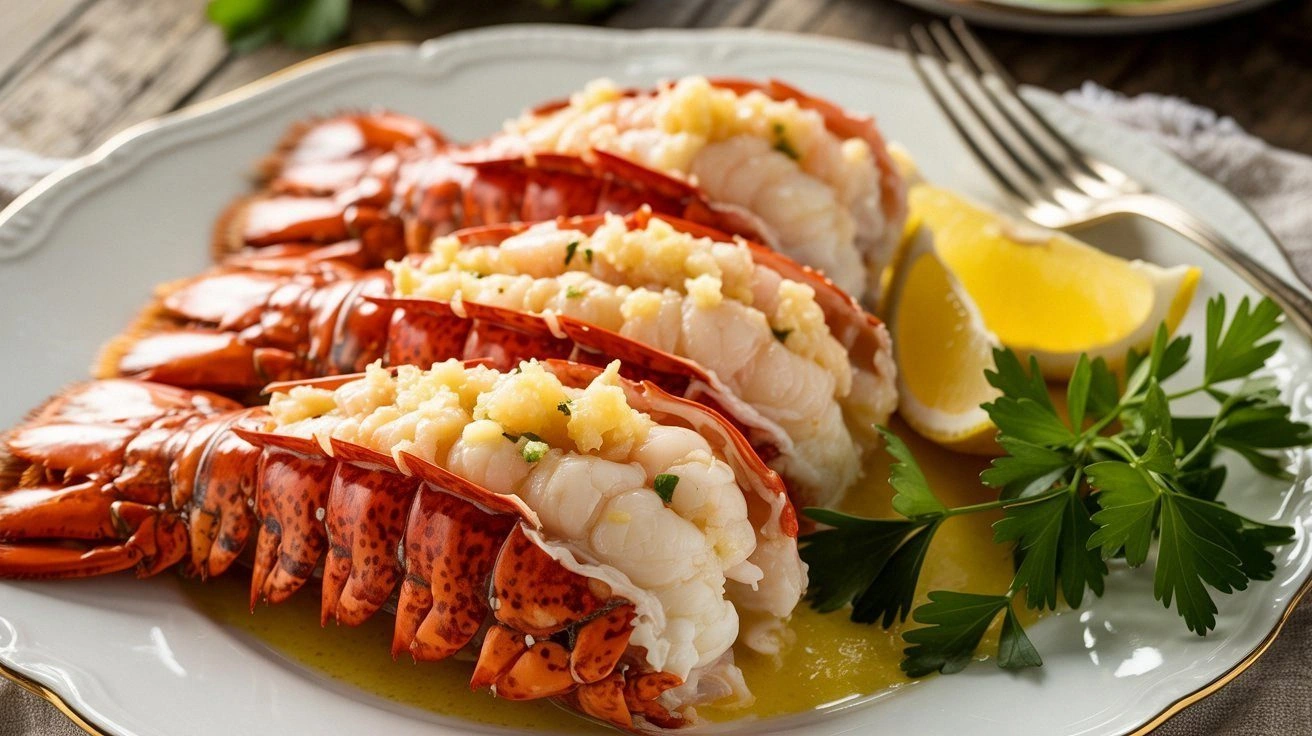
The Method — Step by Step
- Begin by thawing your lobster tails if they’re frozen; place them in a bowl of cold water for 30 minutes. Pat them dry with paper towels—moisture is the enemy of a good sear. Season both sides generously with salt and pepper; this simple step ensures every bite is seasoned to perfection. The key here is to let the meat rest at room temperature for about 10 minutes before cooking.
- Heat a large skillet over medium‑high heat and add the olive oil. Once the oil shimmers, place the lobster tails shell‑side down. Sear for 3–4 minutes until the shell turns a deep amber hue and the meat begins to color. Flip the tails and sear the other side for an additional 3 minutes. The goal is a beautifully caramelized exterior that locks in juices.
- Remove the lobster tails from the skillet and set them aside on a plate. In the same skillet, lower the heat to medium and add the butter. Let it melt until it turns a golden brown, releasing a nutty aroma. This is the moment of truth—don’t rush it; the browned butter will carry the sauce’s flavor.
- Add the minced garlic and chopped shallot to the browned butter. Sauté for 2–3 minutes until the garlic is fragrant and the shallot is translucent. Be careful not to burn the garlic; if it starts to turn black, reduce the heat immediately.
- Pour in the white wine, scraping the bottom of the pan with a wooden spoon to loosen any caramelized bits. Allow the wine to reduce by half, concentrating its flavor. This deglazing step is essential for depth; it lifts the garlic’s sweetness and creates a savory base for the cream.
- Stir in the heavy cream, lemon juice, thyme, and smoked paprika. Bring the mixture to a gentle simmer, letting it thicken slightly. The sauce should coat the back of a spoon and have a glossy sheen. This is the stage where the sauce’s richness fully develops.
- Return the lobster tails to the skillet, nestling them in the sauce. Cover the pan and let the tails steam for 5–7 minutes, or until the meat is opaque and firm to the touch. The sauce will seep into the lobster, infusing each bite with flavor.
- Finish the dish by sprinkling fresh parsley, grated Parmesan, and a pinch of cayenne pepper over the lobster tails. Give the sauce a quick stir to distribute the herbs. Plate the tails on warmed dishes, spooning extra sauce over the top. Serve immediately, perhaps with a side of garlic mashed potatoes or a crisp green salad.
That’s it—you did it. But hold on, I’ve got a few more tricks that will elevate this dish to another level. These insider tips will help you avoid common pitfalls and ensure each bite is a triumph.
Insider Tricks for Flawless Results
The Temperature Rule Nobody Follows
Many chefs believe that a high heat is necessary for searing lobster, but the truth is a controlled medium heat preserves the meat’s moisture. Start with medium‑high for the initial sear, then drop to medium to finish. This prevents the outer shell from burning while keeping the interior juicy. I’ve tried the high‑heat method once, and the result was a dry, rubbery tail that left me disappointed.
Why Your Nose Knows Best
When the sauce is ready, it should emit a buttery, garlicky aroma that’s unmistakably rich. If you notice a sharp, burnt smell, it means the butter is over‑cooked. The scent is your cue to reduce the heat and let the sauce simmer gently. Trust your nose; it’s the most reliable guide in the kitchen.
The 5‑Minute Rest That Changes Everything
After searing the lobster tails, let them rest for five minutes before adding them back to the sauce. This brief pause allows the juices to redistribute, ensuring the meat remains succulent. I once skipped this step, and the lobster came out unevenly cooked—an experience I’d rather not repeat.
The Secret of Smoked Paprika
Smoked paprika is optional, but it adds a depth of flavor that elevates the dish from good to unforgettable. If you’re sensitive to heat, use just a pinch; the smoke flavor will linger without overwhelming the lobster. I’ve found that a small amount of smoked paprika pairs beautifully with the buttery sauce, giving the dish a subtle, savory twist.
The Final Finish
Right before serving, drizzle a teaspoon of high‑quality extra‑virgin olive oil over the lobster. This adds a glossy sheen and a final burst of flavor that ties all the elements together. The oil’s bright, fruity notes complement the lemon and garlic, creating a harmonious finish that lingers on the palate.
Creative Twists and Variations
This recipe is a playground. Here are some of my favorite ways to switch things up:
Spicy Cajun Lobster
Add a tablespoon of Cajun seasoning to the sauce for a bold, spicy kick. The peppery notes complement the lobster’s natural sweetness, creating a dish that’s both comforting and exhilarating.
Herb‑Infused Cream
Swirl in a handful of chopped fresh basil or oregano for an aromatic, Mediterranean twist. The herbs add freshness and a burst of color that makes the dish feel lighter.
Mushroom Medley
Sauté sliced shiitake or cremini mushrooms alongside the garlic for an earthy depth. The mushrooms’ umami flavor pairs wonderfully with the lobster and enriches the sauce.
Coconut‑Cream Variation
Replace half the heavy cream with coconut milk for a subtle tropical undertone. The coconut adds a creamy texture while providing a hint of sweetness that balances the garlic.
Pesto‑Lemon Fusion
Stir in a tablespoon of basil pesto and a splash of lemon zest for a vibrant, herbaceous finish. The pesto’s bright green hue and nutty flavor elevate the dish into a gourmet experience.
Storing and Bringing It Back to Life
Fridge Storage
Cool the dish completely before transferring it to an airtight container. Store in the refrigerator for up to 2 days. The sauce may thicken slightly; a splash of milk or cream before reheating restores its silky texture.
Freezer Friendly
For longer storage, place the cooked lobster tails and sauce in separate freezer‑safe containers. Freeze for up to 3 months. Thaw overnight in the refrigerator before reheating.
Best Reheating Method
Reheat gently over low heat, stirring frequently to prevent scorching. Add a tiny splash of water or milk to keep the sauce moist. Heat just until warmed through; over‑reheating can cause the sauce to separate and the lobster to dry out.