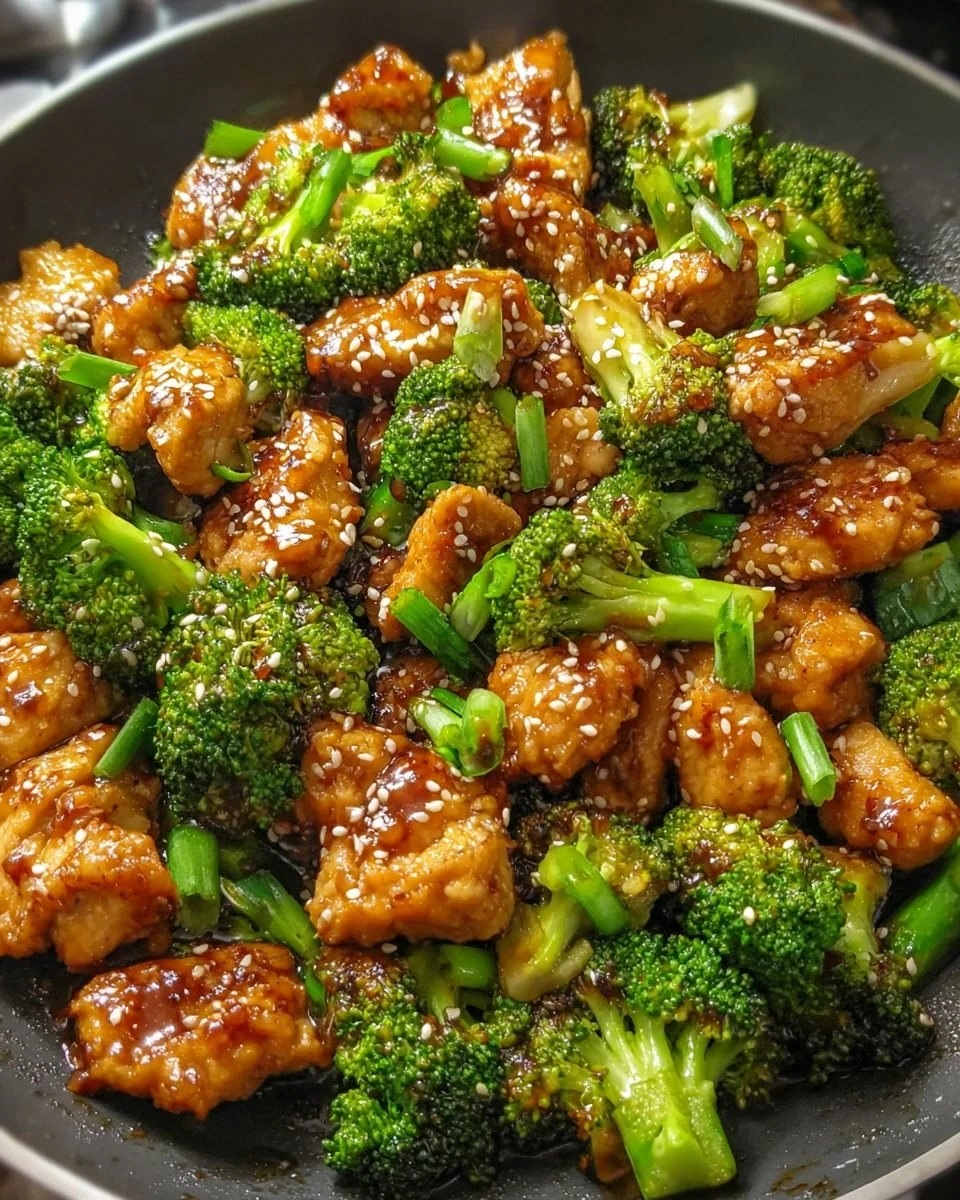
I still remember the night this recipe was born like it was yesterday. My roommate had challenged me to make something healthy that didn't taste like punishment after a week of late-night pizza binges, and I was standing in my tiny apartment kitchen at 11 PM, staring at a sad chicken breast and some broccoli that was on its last legs. The takeout menus were calling my name, but something stubborn in me refused to admit defeat. Twenty-five minutes later, I was shoveling what would become these Chicken & Broccoli Bowls into my face with the kind of enthusiasm usually reserved for cheat meals, and my roommate was literally speechless between bites. That sauce? It was an accident born from desperation and whatever was left in my fridge, but it turned out to be the kind of creamy garlic magic that makes you want to lick the bowl clean in front of company.
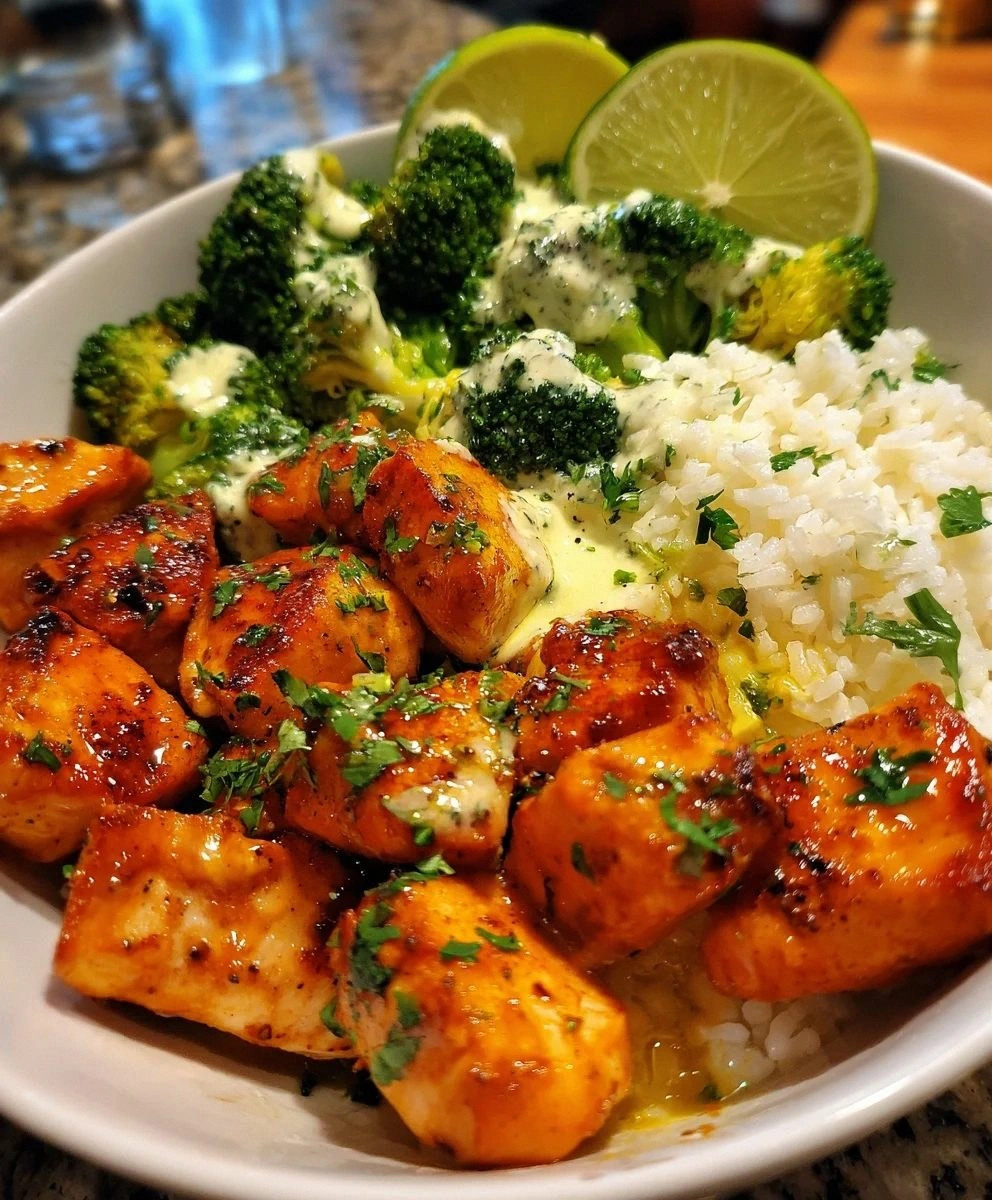
Picture this: tender chunks of paprika-kissed chicken that are caramelized on the outside but still juicy enough to make you close your eyes in appreciation, nestled against bright green broccoli that's cooked just enough to be tender but still has that satisfying bite. The whole thing gets draped in a sauce that's basically what would happen if garlic aioli and ranch had a sophisticated love child, with just enough tang from lime and lemon to keep things interesting. It's the kind of meal that makes you feel virtuous for eating your vegetables while simultaneously wondering if it's actually legal for healthy food to taste this indulgent.
What makes this version different from every other chicken and broccoli recipe on the internet? For starters, we're not just steaming broccoli into sad, mushy submission or cooking chicken until it has the texture of shoe leather. We're building layers of flavor with a spice blend that'll make your kitchen smell like you know what you're doing, even if you're still learning. The sauce isn't an afterthought—it's the star that ties everything together, and once you taste it, you'll want to put it on everything from roasted vegetables to sandwiches to just straight up spoons when nobody's looking.
Let me walk you through every single step—by the end, you'll wonder how you ever made it any other way.
What Makes This Version Stand Out
This isn't just another bland chicken and broccoli situation that fitness influencers pretend to enjoy. This is the recipe that converted my fast-food-obsessed cousin into a meal-prep believer, the one that my neighbor begs me to make when she needs comfort food that won't wreck her macros. Every element is designed to maximize flavor while keeping things simple enough that you can throw it together on a Tuesday night when you're already hangry and one step away from ordering takeout.
- Flavor Bomb: The combination of paprika, garlic powder, and that optional hit of cayenne creates a warm, smoky base that makes the chicken taste like it came from a restaurant where they actually care about seasoning. The lime juice at the end brightens everything up and makes each bite feel fresh instead of heavy, which is honestly what most chicken recipes get wrong.
- Texture Paradise: We're talking crispy edges on the chicken that give way to tender, juicy insides, paired with broccoli that's cooked until just tender-crisp so you get that satisfying bite instead of mush. The sauce coats everything like velvet without turning the vegetables soggy, creating this perfect contrast of creamy and crunchy in every forkful.
- One-Pan Wonder: Everything cooks in a single skillet, which means fewer dishes and more time to actually enjoy your food instead of scrubbing pots. The chicken gets seared first, then the broccoli uses those same flavorful bits left in the pan, and the sauce comes together right at the end—no separate bowls or complicated techniques required.
- Meal-Prep Gold: These bowls reheat like a dream, actually tasting better the next day after the flavors have had time to meld together in the fridge. Unlike sad salads that wilt or pasta that turns into a starchy brick, this holds up beautifully for up to four days, making Sunday meal prep feel less like a chore and more like setting your future self up for success.
- Customizable Crowd-Pleaser: Whether you're feeding picky kids who claim to hate vegetables or health-conscious friends who track their macros, everyone finds something to love here. The base recipe is naturally gluten-free and can go low-carb or high-carb depending on whether you serve it over cauliflower rice or regular rice, making it the ultimate flexible dinner solution.
- Ingredient Magic: That combination of mayonnaise and sour cream in the sauce might sound weird if you've never tried it, but trust me—it's what makes ranch dressing so addictive, elevated with fresh garlic and bright citrus. The Dijon adds this sophisticated tang that makes people ask "what's in this sauce?" in the best possible way.
- Speed Demon: From fridge to table in under thirty minutes, which is faster than most delivery options and infinitely more satisfying. The chicken cooks while the broccoli steams, and the sauce comes together in the time it takes to set the table, making it perfect for those nights when you want something homemade but don't have the energy for a cooking project.
Alright, let's break down exactly what goes into this masterpiece...
Inside the Ingredient List
Before we dive into cooking, let's talk about why each component matters, because understanding your ingredients is what separates good cooks from great ones. Every element in this recipe pulls its weight, and once you know what each one does, you'll never look at a simple chicken breast the same way again. The beauty of this dish lies in how ordinary ingredients transform into something extraordinary when combined with the right techniques and timing.
The Protein Foundation
Boneless, skinless chicken breasts or thighs form the backbone of this dish, and honestly, either works beautifully depending on your preference. Breasts cook faster and stay lean, making them perfect for those watching their fat intake, while thighs bring a richer flavor and more forgiving texture if you tend to overcook things. The key is cutting them into uniform pieces—about one-inch cubes—so everything cooks evenly and you don't end up with some pieces dry while others are still pink in the center. Don't be tempted to use pre-cut chicken pieces from the store; they dry out faster and you have no control over the size, which is crucial for even cooking.
The Flavor Amplifiers
Olive oil might seem basic, but it's what carries all those beautiful spices and helps them stick to the chicken instead of falling off into the pan. The paprika isn't just for color—it's got this warm, slightly sweet depth that makes the chicken taste like it's been marinated for hours when it's only been fifteen minutes. Garlic powder is your secret weapon here because it distributes more evenly than fresh garlic and won't burn in the hot pan, giving you that savory backbone in every single bite. Salt and black pepper are non-negotiables; they're what make everything else taste more like itself, and without enough salt, even the most expensive ingredients fall flat and disappointing.
The optional cayenne is where things get interesting—just a pinch adds warmth without making anyone reach for water, but if you're cooking for spice-sensitive eaters, you can absolutely skip it. The lime juice at the end is what makes this whole dish sing; it brightens all the other flavors and cuts through the richness of the sauce, preventing that heavy, food-coma feeling you get from cream-based dishes that don't have enough acid to balance them out.
The Sauce Dream Team
Mayonnaise and sour cream might seem like an odd combination if you've never tried it, but together they create this luxurious base that's tangy, creamy, and infinitely more interesting than either one alone. The mayo brings body and richness while the sour cream adds that pleasant tang that keeps the sauce from feeling too heavy or cloying. Fresh garlic is absolutely essential here—garlic powder won't give you that sharp, aromatic punch that makes this sauce addictive. The lemon juice works with the lime to create this citrusy brightness that makes you want to keep eating even when you're full, while the Dijon adds a sophisticated sharpness that elevates the whole thing from "tasty" to "what is this magic?"
The Supporting Cast
Broccoli florets aren't just here for nutrition—they bring this fresh, slightly bitter contrast that keeps the creamy sauce from becoming too much of a good thing. The key is cutting them into bite-sized pieces that will cook quickly and evenly, about the size of a ping pong ball cut in half. Cooked rice or quinoa forms the foundation that soaks up all those incredible juices, turning what could be a dry dish into something satisfying and complete. The lime wedges for serving aren't just garnish—they let each person customize their brightness level, which is especially important if you're feeding a crowd with different acidity preferences.
Everything's prepped? Good. Let's get into the real action...
The Method — Step by Step
- Start by patting your chicken pieces absolutely dry with paper towels, and I mean really get in there—this isn't the time to be delicate. Moisture is the enemy of that beautiful golden crust we're after, so don't rush this step even if your stomach is growling. Once they're dry, toss them in a bowl with the olive oil, paprika, garlic powder, salt, pepper, and cayenne if you're using it. Use your hands to massage those spices into every nook and cranny—it should look like the chicken is wearing a rusty-colored coat, and you shouldn't see any bare spots. Let this hang out while you prep everything else; even ten minutes of marinating time makes a difference, but if you've got thirty minutes to spare, cover it and let it chill in the fridge while you deal with the broccoli.
- Heat a large skillet over medium-high heat for about two minutes—you want it hot enough that a drop of water sizzles immediately when it hits the surface, but not so hot that it's smoking like crazy. Add the chicken in a single layer with space between pieces; if your pan is crowded, work in batches because overcrowding leads to steaming instead of browning, and that's how you end up with sad, gray chicken. Let it cook undisturbed for about four minutes; resist the urge to poke, prod, or move it around. When the edges start turning opaque and the bottom is golden-brown, flip each piece and cook for another three to four minutes until just cooked through. The chicken should feel firm but still have a little give when you press it, and the juices should run clear when you cut into a piece.
- While the chicken cooks, steam your broccoli by placing it in a microwave-safe bowl with two tablespoons of water, covering with plastic wrap, and microwaving for two to three minutes until bright green and just tender. You want it slightly underdone because it'll finish cooking in the pan, and nothing ruins this dish like mushy broccoli that disintegrates when you try to pick it up. Alternatively, you can blanch it in boiling water for ninety seconds, then immediately plunge into ice water to stop the cooking—this method gives you the brightest color and perfect texture, but let's be honest, most of us don't have the patience for an ice bath on a weeknight.
- Remove the chicken to a plate and add the broccoli to the same pan—those browned bits at the bottom are pure flavor gold, and the broccoli will soak them up like little green sponges. Cook for two to three minutes, stirring occasionally, until the broccoli gets some color and picks up all those beautiful caramelized chicken bits. Season with a pinch of salt and pepper; this is your chance to make sure every component is properly seasoned instead of relying on the sauce to do all the heavy lifting. The broccoli should be tender-crisp, meaning you can easily pierce it with a fork but it still has some bite, not like the sad, overcooked stuff you remember from childhood.
- While the broccoli does its thing, whisk together the mayonnaise, sour cream, minced garlic, lemon juice, and Dijon in a small bowl. The sauce should be thick but spoonable, like the consistency of ranch dressing that's been out of the fridge for a few minutes. Taste it and adjust—this is where you add more lemon if you want it brighter, more Dijon if you want it sharper, or a pinch of salt if it tastes flat. The raw garlic will mellow slightly as it sits, but if you're sensitive to it, you can microwave the minced garlic in the olive oil for thirty seconds to take the bite off before adding it to the sauce.
- Add the chicken back to the pan with the broccoli, then pour in about three-quarters of the sauce, saving the rest for people who want extra. Toss everything together gently—you want to coat all the pieces but not break up the broccoli or shred the chicken. Let it warm through for about a minute, then remove from heat and finish with a generous squeeze of fresh lime juice. The residual heat will finish cooking everything and let the flavors meld together into something that's way more than the sum of its parts.
- Build your bowls by placing a scoop of rice or quinoa in the bottom, then piling the chicken and broccoli mixture on top. Drizzle with the reserved sauce, add a lime wedge on the side, and prepare for people to ask you for the recipe before they've even finished chewing. The contrast between the warm, savory chicken and broccoli with the cool, creamy sauce is absolutely addictive, and the rice soaks up all those incredible juices so nothing goes to waste.
- Finish with a final squeeze of lime over the top and watch how it transforms everything—the acid brightens all the flavors and makes each bite taste fresh instead of heavy. If you're feeling fancy, you can add some sliced green onions or chopped parsley on top, but honestly, this dish is so good on its own that you don't need any extra garnishes. Serve immediately while everything is still warm and the sauce is at its creamiest, though leftovers are incredible cold too.
That's it—you did it. But hold on, I've got a few more tricks that'll take this to another level...
Insider Tricks for Flawless Results
The Temperature Rule Nobody Follows
Here's the thing that separates restaurant-quality chicken from the stuff that comes out of most home kitchens: temperature control matters more than timing. Your chicken is done when it hits 165°F internally, but if you wait until it's completely cooked through in the pan, it'll be overcooked by the time you eat it. Pull it off when it hits 160°F—the residual heat will carry it the rest of the way while it rests. A friend tried skipping this step once and ended up with chicken so dry it could've been used as packing material. Don't be that friend.
Why Your Nose Knows Best
That moment when the garlic hits the warm pan and releases its aroma? That's your cue that everything is happening exactly as it should. If you don't smell the garlic within thirty seconds of adding it to the sauce, your pan wasn't warm enough and you're missing out on flavor development. The same goes for when the paprika hits the oil—if you're not getting that warm, slightly sweet smell, turn up the heat slightly. Cooking with your nose engaged as much as your eyes and taste buds is what separates people who follow recipes from people who understand them.
The 5-Minute Rest That Changes Everything
After everything is combined, let it sit for five minutes before serving. I know, I know—you're hungry and it smells incredible, but this short rest allows the sauce to thicken slightly as it cools, the flavors to meld together, and the chicken to redistribute its juices. This is when the magic happens, transforming individual components into a cohesive dish where every bite tastes like they've been best friends forever. Plus, it gives you time to set the table properly so you're not eating standing over the sink like an animal.
The Spice Balance That Makes People Obsessed
The ratio of paprika to garlic powder is crucial here—too much paprika and your chicken tastes like it was rolled in red dirt, too much garlic and nobody wants to be near you tomorrow. The sweet spot is when you can taste both elements but neither dominates, creating this warm, savory background that makes people ask "what's in this?" without being able to pinpoint exactly what they're tasting. If you're doubling the recipe, don't double the salt—start with 1.5 times and taste as you go. Salt has a way of multiplying in intensity as other flavors develop.
The Texture Trick That Elevates Everything
Cutting the chicken into uniform pieces isn't just about even cooking—it's about creating the perfect ratio of surface area to interior, maximizing those crispy edges that make people fight over the last pieces. One-inch cubes are the sweet spot: small enough to get plenty of seasoning on each piece, large enough to stay juicy inside. When you toss everything together at the end, try to keep some of those beautifully browned sides facing up so you get visual appeal along with incredible flavor. We eat with our eyes first, and those golden edges peeking out from under the creamy sauce is what makes people reach for their phones to take pictures before they dig in.
Creative Twists and Variations
This recipe is a playground. Here are some of my favorite ways to switch things up:
The Mediterranean Escape
Swap the paprika for oregano and basil, use lemon juice exclusively instead of the lime, and add a handful of sun-dried tomatoes when you combine everything. The sauce gets a makeover with Greek yogurt instead of sour cream and a tablespoon of chopped fresh dill. Serve it over orzo instead of rice and finish with crumbled feta on top. Suddenly you're transported to a seaside taverna where the biggest worry is whether to have another glass of wine.
The Asian-Inspired Fusion
Replace the paprika with Chinese five-spice powder, swap the sour cream for coconut milk, and add a tablespoon of soy sauce plus a teaspoon of sesame oil to the sauce. Use rice vinegar instead of lemon juice and finish with toasted sesame seeds and sliced scallions. The broccoli stays the same, but serve it over jasmine rice and you've got something that tastes like it came from a trendy fusion restaurant where the chef definitely knows what they're doing.
The Southwest Adventure
Add a teaspoon each of cumin and chili powder to the chicken seasoning, use cilantro instead of parsley for garnish, and throw in a can of drained black beans when you combine everything. The sauce gets a makeover with lime juice exclusively, plus a tablespoon of adobo sauce from a can of chipotles for smoky heat. Serve over brown rice with avocado slices on top and you've got a bowl that tastes like summer in Santa Fe.
The Low-Carb Powerhouse
Keep everything the same but serve it over cauliflower rice or shredded lettuce instead of regular rice. Add a cup of diced zucchini when you cook the broccoli for extra volume without carbs, and use full-fat Greek yogurt in the sauce for extra protein. It's just as satisfying but won't send your blood sugar on a roller coaster, making it perfect for those days when you want comfort food without the coma.
The Vegetarian Version
Replace the chicken with firm tofu that's been pressed and cubed, or go wild with a mix of mushrooms like cremini, shiitake, and oyster for incredible umami depth. The cooking method stays exactly the same—get those crispy edges on the tofu or mushrooms before adding the broccoli. Use vegetable broth instead of water if you need to thin the sauce, and you've got something that'll make even the most dedicated carnivores ask for seconds.
The Spice Lover's Dream
Double the cayenne, add a teaspoon of smoked paprika along with the regular paprika, and finish with a drizzle of chili crisp oil for crunch and heat. The sauce gets a tablespoon of your favorite hot sauce mixed in, and serve it with extra lime wedges because the acid helps balance the heat. This version will make you break a slight sweat in the best possible way, clearing your sinuses and making you feel alive.
Storing and Bringing It Back to Life
Fridge Storage
These bowls keep beautifully in the refrigerator for up to four days, making them meal-prep gold for busy weeks. Store the rice and chicken-broccoli mixture separately if possible—the rice stays fluffier and you can control the sauce-to-rice ratio when you reheat. Use glass containers if you've got them; they don't absorb odors and they reheat more evenly than plastic. The sauce will thicken in the fridge, so let it sit at room temperature for fifteen minutes before serving or add a tiny splash of water when reheating to bring it back to its creamy glory.
Freezer Friendly
While you can freeze the chicken and broccoli mixture, I don't recommend freezing the sauce—it tends to separate and get grainy when thawed. If you want to make a big batch for the freezer, cook the chicken and broccoli as directed, then freeze in portions. When you're ready to eat, thaw overnight in the fridge and make a fresh batch of sauce (it takes literally two minutes). Frozen portions keep for up to three months, though honestly, they're usually gone long before then because you'll find yourself craving this when you're too tired to cook.
Best Reheating Method
Microwave works fine in a pinch—cover with a damp paper towel and heat for ninety seconds, stir, then another thirty to sixty seconds until hot. But the stovetop method gives you better texture: add a splash of water to a pan, add the chicken and broccoli, cover and heat over medium for about five minutes, stirring occasionally. Add the rice during the last two minutes so it gets hot without turning mushy. If you're adding fresh sauce, dollop it on top during the last minute of reheating so it warms through but doesn't break from too much heat.