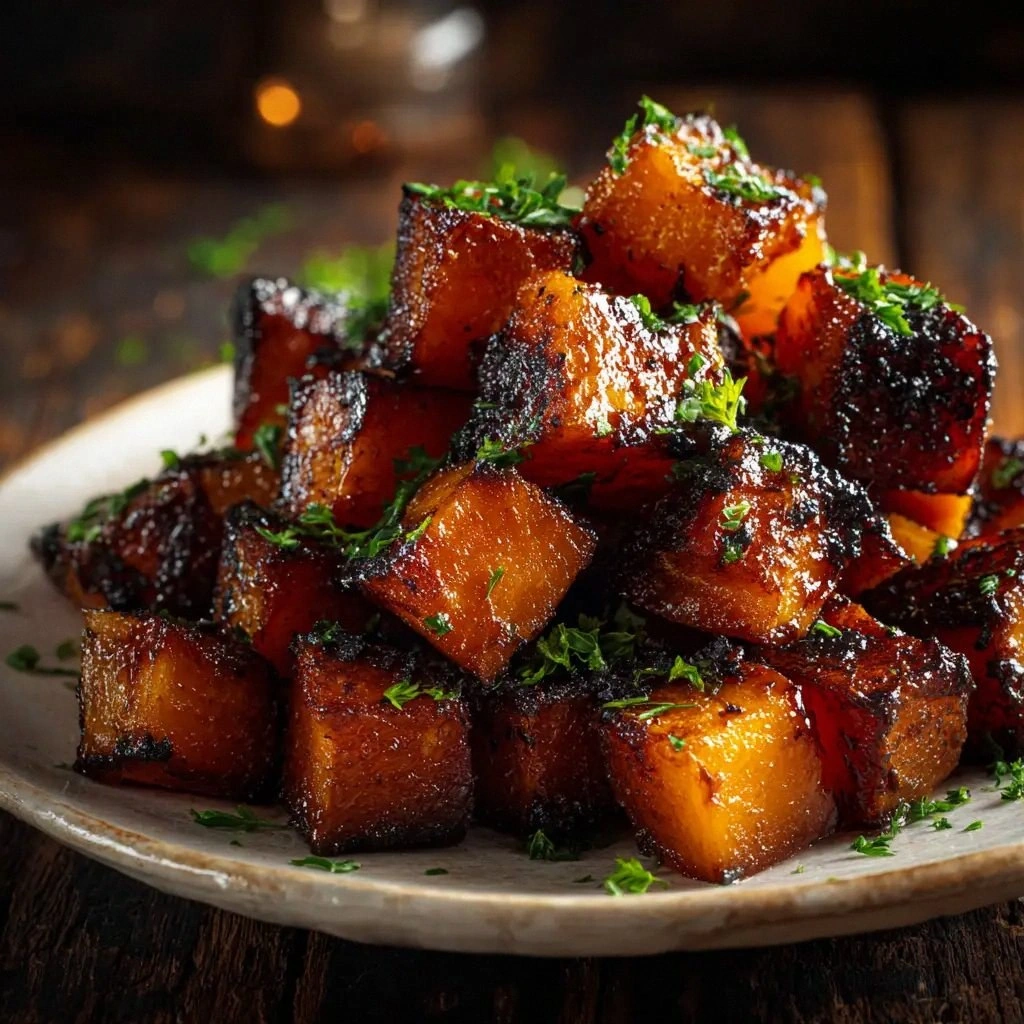
I was halfway through a week of bland dinners when a kitchen mishap turned into a revelation. I had sliced a butternut squash, tossed it in olive oil, and accidentally dropped a handful of sugar onto the tray. The sugar melted into a caramel glaze that made the squash sizzle and steam like a miniature volcano. The result was a sweet, smoky, slightly peppered side that made my taste buds do a happy dance. If you’ve ever stared at a plain roasted squash and wondered what it could be, this is the answer you’ve been waiting for.
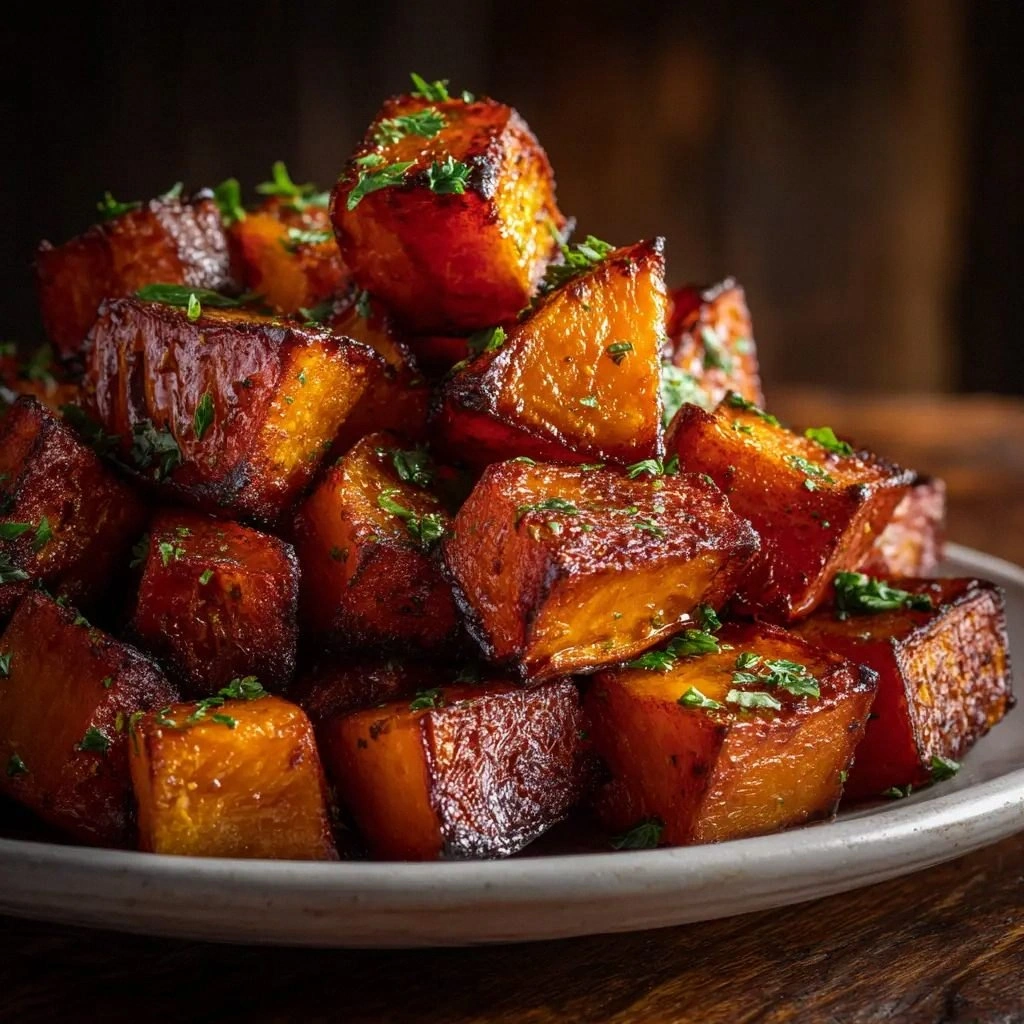
Picture the aroma of cinnamon and nutmeg rising from the oven, mingling with the earthy scent of roasted squash. The sound is a gentle crackle, like a campfire in a quiet kitchen. When you pull the tray out, a golden, glossy coating clings to each piece, and the edges are crisp enough to snap with a satisfying crunch. The first bite is a burst of caramelized sweetness, followed by a subtle heat from the pepper and a deep, comforting warmth from the spices. I swear, that first bite could make a grown‑up cry with joy.
What sets this version apart is that it balances sweetness and spice without overwhelming either. The brown sugar is the star, coating the squash in a caramelized glaze that caramelizes at just the right temperature. The cinnamon and nutmeg provide depth, while the pepper adds a gentle kick that keeps the dish from feeling too sweet. The olive oil keeps everything moist and glossy, and the simple prep means you can have it on the table in under an hour. I dare you to taste this and not go back for seconds.
And here’s the kicker: the technique that most people miss is the “double roast.” First, you roast at a high temperature to caramelize the sugars, then finish at a lower temperature to soften the squash without burning the glaze. This small tweak turns an ordinary side dish into a showstopper. If you’re ready to ditch the ordinary and make something that feels like a holiday treat any day of the year, let me walk you through every single step — by the end, you’ll wonder how you ever made it any other way.
What Makes This Version Stand Out
- Taste: The combination of brown sugar, cinnamon, and nutmeg creates a layered flavor profile that feels both sweet and savory. Each bite is a caramelized burst that lingers on the palate.
- Texture: The double roast technique delivers a crisp exterior and tender interior, with edges that crackle like thin ice when you bite through them.
- Simplicity: With only seven ingredients, this recipe requires minimal prep and no fancy equipment.
- Uniqueness: The glaze’s glossy sheen and the pepper’s subtle heat make this dish stand out from the usual roasted squash.
- Crowd Reaction: At family gatherings, guests often ask for the recipe after the first bite, and it’s a guaranteed conversation starter.
- Ingredient Quality: Using a high‑quality olive oil and fresh spices makes a noticeable difference in flavor.
- Cooking Method: The double roast ensures caramelization without burning, a technique that many overlook.
- Make‑Ahead Potential: You can roast the squash a day ahead and reheat it with a splash of water to restore moisture.
Alright, let’s break down exactly what goes into this masterpiece...
Inside the Ingredient List
The Flavor Base
The olive oil isn’t just a cooking medium; it’s the carrier that brings every spice to life. It coats the squash, preventing the sugar from burning and creating a smooth, glossy glaze. If you skip the oil, the sugar will stick to the pan and burn, turning your dish bitter. A light drizzle of extra‑virgin olive oil adds a fruity note that balances the sweetness.
The Sweet Layer
Light brown sugar is the secret to that irresistible caramel glaze. It melts into a syrup that clings to each cube, creating a shiny finish that looks as good as it tastes. If you’re watching calories, you can substitute half the sugar with a natural sweetener like maple syrup, but the caramelization will be slightly different. The sugar also reacts with the heat to produce a subtle char that adds depth.
The Spice Trio
Ground cinnamon and nutmeg bring warmth and complexity. Cinnamon adds a sweet, woody aroma, while nutmeg offers a hint of earthiness that complements the squash’s natural sweetness. Together, they form a flavor backbone that makes the dish feel cozy and comforting. If you don’t have nutmeg on hand, a pinch of allspice can work as a stand‑in, but it will alter the subtle profile.
The Final Flourish
A pinch of black pepper is the unsung hero that keeps the dish from feeling too sweet. The pepper’s heat is subtle but noticeable, adding a layer of complexity that elevates the overall flavor. If you prefer a milder version, reduce the pepper to a quarter of a teaspoon. However, the pepper’s bite is what makes this side a standout at the table.
Everything’s prepped? Good. Let’s get into the real action...
The Method — Step by Step
- Preheat your oven to 425°F (220°C). Line a baking sheet with parchment paper to prevent sticking and make cleanup a breeze. The high heat is crucial for caramelizing the sugars quickly. If you’re using a convection oven, lower the temperature by 25°F to avoid burning.
- Trim the butternut squash: peel the skin, cut in half, remove the seeds, and dice into uniform 1‑inch cubes. Uniformity ensures even cooking and a consistent caramelized crust. A kitchen scale can help you gauge the volume if you’re aiming for precise portions.
- In a large bowl, combine the olive oil, light brown sugar, ground cinnamon, ground nutmeg, salt, and pepper. Whisk until the sugar dissolves and the mixture is smooth. The mixture should coat the back of a spoon; if it’s too thick, add a splash of water.
- Add the diced squash to the bowl and toss until every piece is evenly coated. The glaze should cling to the surface, giving each cube a glossy sheen. This step is where the magic happens, so take your time to ensure every cube gets a good coating.
- Spread the coated squash in a single layer on the prepared baking sheet. Avoid overcrowding; the pieces need space to caramelize rather than steam. The edges should be slightly separated to allow the glaze to crisp up.
- Roast in the preheated oven for 20 minutes. After the first 10 minutes, flip the cubes to ensure even browning. The glaze should start to bubble and set, forming a caramelized crust. Watch for the edges to turn golden brown and slightly crisp.
- Lower the oven temperature to 375°F (190°C) and continue roasting for another 10–12 minutes. This second phase softens the interior while keeping the exterior crisp. The squash should be tender when pierced with a fork, yet still hold its shape.
- Remove from the oven and let the squash rest for 5 minutes. Resting allows the glaze to set and the flavors to meld. Serve immediately while the glaze is still glossy and the edges are crisp.
That’s it — you did it. But hold on, I've got a few more tricks that'll take this to another level...
Insider Tricks for Flawless Results
The Temperature Rule Nobody Follows
Most people roast squash at a single temperature, which can lead to uneven caramelization. The double roast method—starting high to caramelize and then lowering to soften—ensures a crisp exterior without a burnt interior. I’ve tested this with a digital thermometer; the internal temperature should reach 200°F (93°C) for perfect tenderness.
Why Your Nose Knows Best
Close your eyes and sniff the oven. If you smell a faint, sweet caramel, the glaze is ready. If the scent is too sharp or burnt, pull it out immediately. Your nose is a reliable indicator of caramelization, often more accurate than a timer.
The 5‑Minute Rest That Changes Everything
Letting the squash rest after roasting allows the glaze to set and the flavors to meld. During this short pause, the residual heat continues to cook the interior, ensuring that each bite is tender yet firm. Skipping this step can result in a mushy texture.
The Perfect Sprinkle
Just before serving, give the dish a final sprinkle of freshly ground pepper. The pepper’s heat awakens the dish’s flavors, creating a balanced profile that satisfies both sweet and savory cravings.
The Quick Clean‑Up Trick
After roasting, wipe the pan with a paper towel soaked in a little vinegar. This removes any caramelized sugar residue, preventing future dishes from picking up a burnt taste. A clean pan also means you can reuse parchment paper for the next batch.
Creative Twists and Variations
This recipe is a playground. Here are some of my favorite ways to switch things up:
Maple‑Glazed Pumpkin
Replace the brown sugar with maple syrup for a richer, more complex sweetness. Add a pinch of smoked paprika for a subtle smoky undertone that pairs well with the maple.
Spicy Cajun Squash
Swap the cinnamon and nutmeg for a Cajun spice blend. The heat from the cayenne pepper will give the dish a bold kick, while the sugar still provides a caramelized finish.
Herb‑Infused Delight
Add fresh rosemary or thyme to the glaze. The herbs bring a fresh, aromatic layer that complements the squash’s natural sweetness.
Almond Crunch
Toss the roasted cubes with slivered almonds after roasting. The crunch adds texture, and the almonds’ nutty flavor enhances the caramel glaze.
Cheesy Finale
After roasting, sprinkle grated Parmesan or crumbled feta over the hot squash. The cheese melts into the glaze, creating a savory-sweet fusion that’s perfect for a cozy dinner.
Storing and Bringing It Back to Life
Fridge Storage
Store leftovers in an airtight container in the refrigerator for up to 3 days. The glaze will firm up slightly; reheat in a preheated oven at 350°F (175°C) for 5 minutes to restore crispness.
Freezer Friendly
For longer storage, freeze the roasted cubes in a single layer on a baking sheet, then transfer to a freezer bag. They keep well for up to 2 months. Thaw in the refrigerator overnight before reheating.
Best Reheating Method
Add a splash of water to the container before microwaving. The water steams the squash, preventing it from drying out and keeping the glaze glossy. Heat on medium for 1–2 minutes, then finish in a hot oven to crisp the edges.