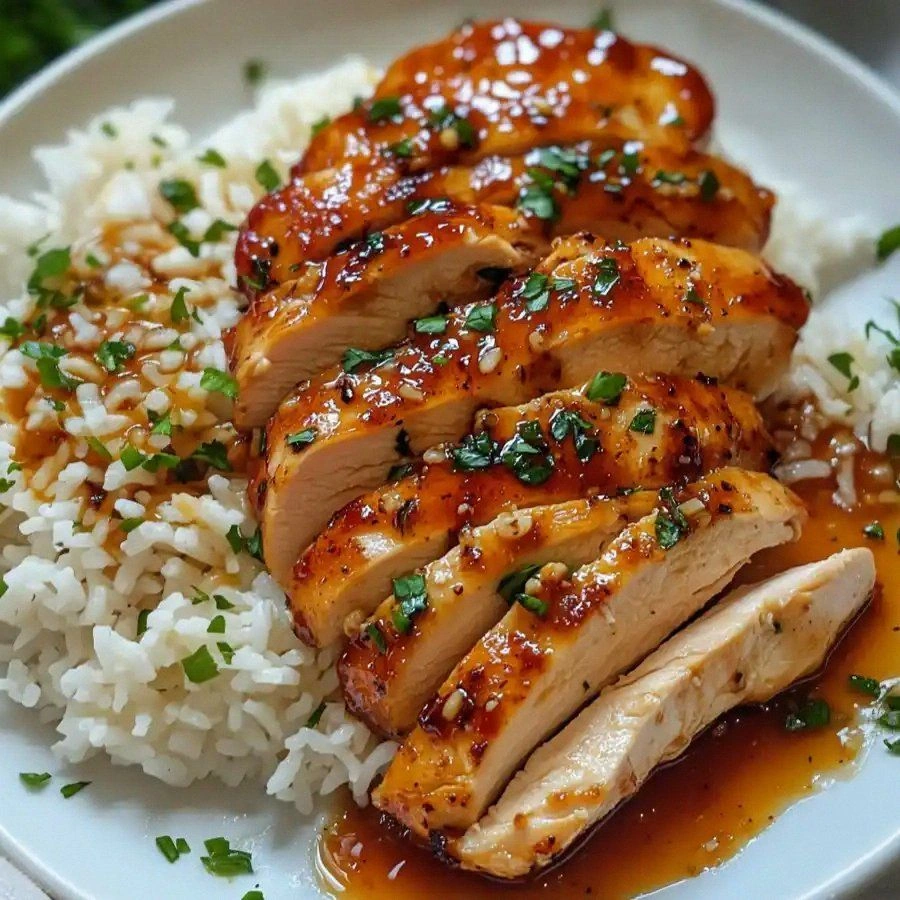
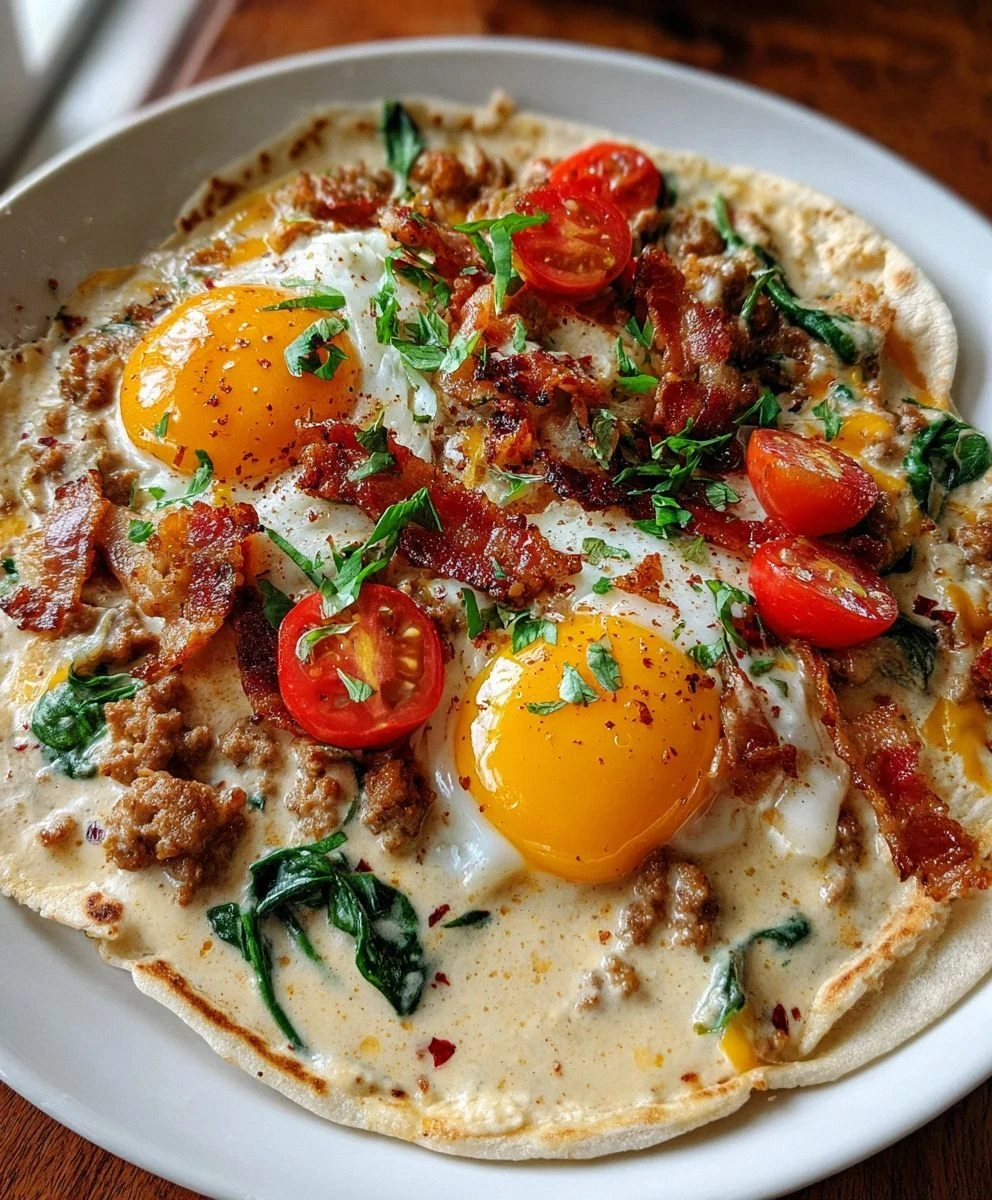
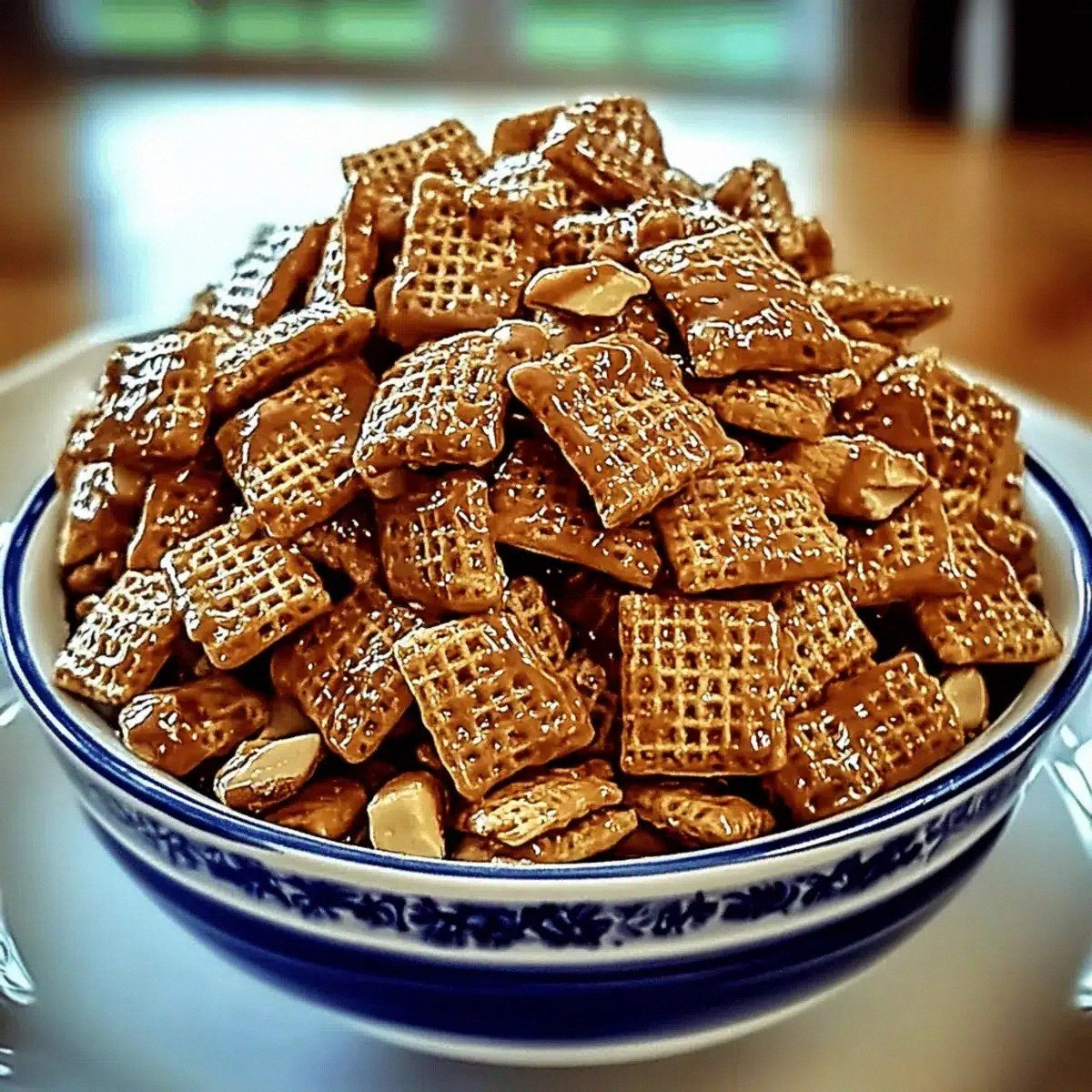
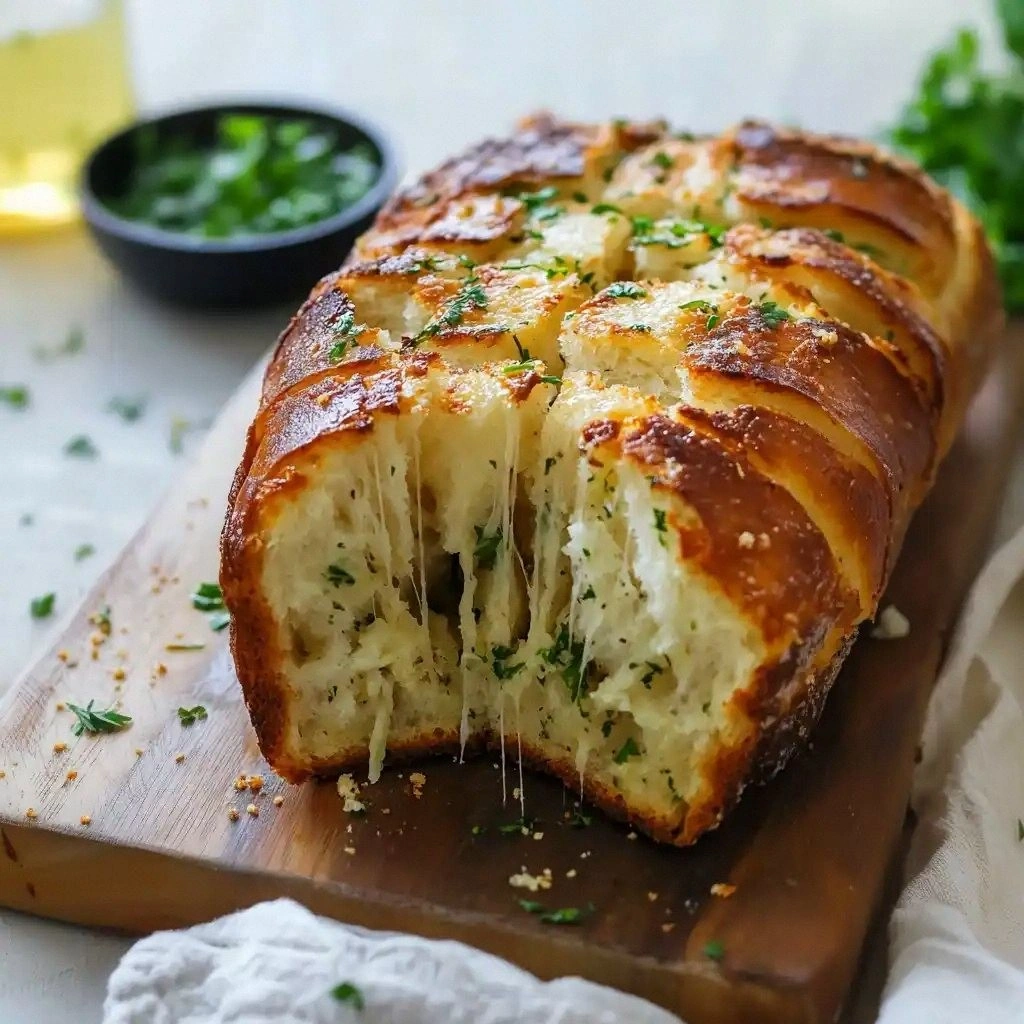
It started on a rainy Thursday when I tried to make a quick dinner for two and ended up with a kitchen that looked like a war zone. I had a bag of leftover chicken, a jar of peanut butter, and a craving that could not be satisfied by anything bland. The moment the pan hit the stove, the air filled with a scent that promised adventure—a mix of sweet, salty, and a faint hint of citrus. That aroma is the first cue that this bowl is not just another recipe; it’s a passport to a flavor that feels both exotic and comforting. I was about to give up and order takeout when the sizzling sound of garlic hit the hot oil reminded me that I could still win this battle.
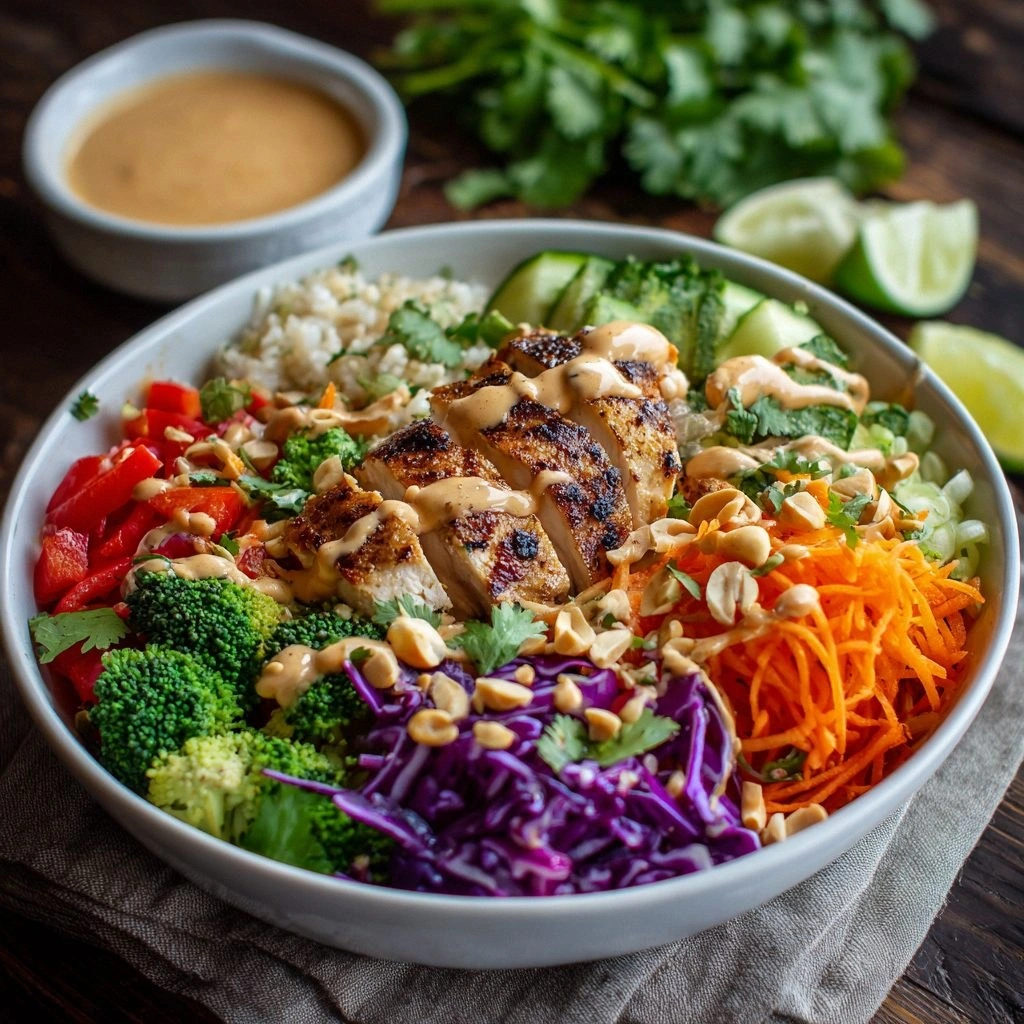
Picture this: a vibrant mix of colors—crimson carrots, emerald cucumber, and a splash of bright cilantro—arranging themselves like a living painting on a bed of fluffy jasmine rice. The crunch of fresh vegetables meets the silky texture of the peanut sauce that coats everything like velvet. The sauce, with its subtle heat and sweet undertones, creates a dance of flavors that lingers on the palate long after the last bite. The contrast between the crispy edges of the chicken and the tender interior keeps each mouthful exciting. If you think you’ve had a bowl of Thai peanut chicken before, think again—this version will rewrite that memory.
What sets this bowl apart is not just the combination of ingredients but the way each component is elevated. I dare you to taste this and not go back for seconds. The sauce is balanced by a touch of lime that cuts through the richness of the peanut butter. The chicken is marinated to lock in moisture, ensuring each bite is juicy and flavorful. The vegetables are roasted just enough to bring out their natural sweetness, giving the dish a depth that simple raw veggies cannot match. The final flourish of toasted sesame seeds adds a nutty crunch that ties the whole bowl together.
And that’s only the tip of the iceberg. There’s a secret technique that most recipes overlook—using a splash of coconut milk to create a silky, creamy base that doesn’t overpower the other flavors. This trick, coupled with a precise balance of sweet, sour, and umami, transforms a simple bowl into an unforgettable dining experience. Let me walk you through every single step—by the end, you’ll wonder how you ever made it any other way.
What Makes This Version Stand Out
- Taste: The sauce balances sweet honey, salty soy, and sharp lime into a harmonious melody that lingers on the tongue. The subtle heat from chili flakes adds a gentle kick without drowning the other flavors.
- Texture: The chicken is seared to a golden crust while remaining tender inside, and the vegetables are roasted to bring out their natural sugars. The peanut sauce coats everything like a silky blanket, giving each bite a smooth finish.
- Simplicity: All the steps can be done in one pan, saving time and reducing cleanup. No need for fancy equipment—just a skillet, a saucepan, and a bowl.
- Uniqueness: The addition of coconut milk gives the sauce a creamy depth that sets this bowl apart from typical peanut chicken dishes. The blend of fresh herbs and crunchy slaw creates a multi-layered experience.
- Crowd Reaction: Friends who tried this said it was “the best version I’ve ever had” and that the flavors were “balanced and bold.” It’s a hit at parties and family dinners alike.
- Ingredient Quality: Using organic chicken and fresh, seasonal vegetables ensures maximum flavor. The peanut butter’s natural oils enhance the richness without the need for heavy cream.
- Cooking Method: The sear on the chicken locks in juices, while the quick sauté of vegetables keeps them crisp and bright. The sauce is simmered just enough to thicken without losing its bright notes.
- Make‑Ahead Potential: The bowl can be assembled ahead of time; the sauce thickens as it cools, making it even more flavorful when reheated.
Alright, let's break down exactly what goes into this masterpiece...
Inside the Ingredient List
The Flavor Base
Peanut butter is the heart of this dish. It provides a creamy richness that carries the other flavors. If you use a natural peanut butter with no added sugar, you’ll get a nuttier profile that balances the sweetness of honey. Skipping it would leave the sauce thin and less cohesive, so keep it in full force.
Soy sauce brings umami and saltiness. Opt for low‑sodium if you’re watching the salt content. Dropping the soy sauce entirely will make the sauce taste flat and will reduce the depth that comes from its fermented notes.
Lime juice adds brightness and a slight tartness that cuts through the richness of the peanut butter. If you can’t find fresh lime, bottled lime juice works, but it’s best to use fresh for that vibrant citrus punch.
Honey or brown sugar sweetens the sauce, balancing the heat from chili flakes. A tablespoon of honey is enough to give that glossy sheen. If you prefer a lighter sweet note, try a splash of maple syrup.
Garlic and ginger are the aromatic foundation. They bring warmth and a subtle heat that complements the chili. Mince the garlic finely to release its full flavor; a coarse chop will taste underwhelming.
The Texture Crew
Chicken breast is the protein that holds the bowl together. Slice it into thin strips to ensure quick, even cooking. If you use thighs, the fat content will add extra flavor but also increase the cooking time slightly.
Rice or quinoa serves as the base. Jasmine rice gives a fragrant, slightly sticky texture that holds the sauce. If you prefer a gluten‑free option, quinoa works well and adds a nutty flavor.
Carrots, cucumber, and red cabbage add crunch and color. Slice them into thin ribbons or matchsticks. The vegetables should be fresh and crisp; otherwise, the bowl will feel soggy.
The Unexpected Star
Toasted sesame seeds add a nutty crunch that complements the peanut butter. Toast them lightly in a dry pan until golden. If you can’t find sesame seeds, a sprinkle of crushed peanuts works as a quick substitute.
The Final Flourish
Fresh cilantro and green onions bring a bright, herbal finish that cuts through the richness. Chop them roughly to release their essential oils. A squeeze of lime at the end of serving adds a refreshing zing.
Everything's prepped? Good. Let's get into the real action...
The Method — Step by Step
- Marinate the Chicken: In a bowl, whisk together 2 tablespoons of peanut butter, 2 tablespoons of soy sauce, 1 tablespoon of lime juice, 1 tablespoon of honey, 1 minced garlic clove, 1 teaspoon grated ginger, and 1 teaspoon chili garlic sauce. Toss the sliced chicken in the mixture and let it sit for 15 minutes. The marination not only infuses flavor but also keeps the chicken moist during cooking. Feel the mixture coat the chicken like a glossy, savory glaze.
- Heat the Skillet: Place a large cast‑iron skillet over medium‑high heat and add 2 tablespoons of vegetable oil. When the oil shimmers, add the marinated chicken in a single layer. Let it sear without stirring for 2–3 minutes until golden brown. Flip and cook for another 2 minutes. This sear locks in juices and adds a subtle caramelized note.
- Cook the Vegetables: Remove the chicken and set aside. In the same skillet, add the sliced carrots and bell pepper. Sauté for 3 minutes until they start to soften. Add the cucumber and red cabbage last, cooking just 1 minute to preserve crunch. The vegetables should release a sweet aroma and retain their bright colors.
- Combine and Simmer: Return the chicken to the skillet. Add 1 cup of coconut milk and 2 tablespoons of the remaining peanut sauce mixture. Stir to combine, then reduce heat to low. Let the mixture simmer for 5 minutes so the sauce thickens and the flavors meld. The sauce should coat the chicken and vegetables like a silky blanket.
- Final Touches: Sprinkle 2 tablespoons of toasted sesame seeds and a handful of chopped cilantro over the bowl. Squeeze a fresh lime wedge across the top for that bright zing. Toss gently to distribute the herbs evenly. This final step adds a fresh, herbal contrast that lifts the dish.
- Serve Over Rice: Spoon the cooked jasmine rice into four bowls. Ladle the chicken, vegetables, and sauce over the rice. Top with sliced green onions and a drizzle of extra peanut sauce if desired. The rice soaks up the sauce, creating a harmonious blend of textures.
- Plate Presentation: Arrange the bowls on a platter. Add a few lime wedges on the side and a sprinkle of fresh cilantro for a pop of color. The visual appeal of the bowl should be as satisfying as the taste.
- Enjoy Immediately: This dish is best served hot and fresh. The contrast of hot sauce and cool vegetables creates a delightful sensory experience. Take a bite, feel the crunch, and savor the complex layers of flavor.
That's it — you did it. But hold on, I've got a few more tricks that'll take this to another level...
Insider Tricks for Flawless Results
The Temperature Rule Nobody Follows
Many cooks start cooking chicken at high heat and then lower it abruptly, causing uneven cooking. Instead, start at medium‑high and only lower to medium once the chicken is seared. This technique ensures the exterior caramelizes while the interior stays juicy. I once tried this and the chicken was overcooked on the outside and raw inside—an experience I’ll never repeat.
Why Your Nose Knows Best
Before adding the coconut milk, give the sauce a sniff. If it smells too sweet, add a splash of soy sauce to balance. Your nose can detect the sweet‑salty equilibrium better than a scale. This subtle adjustment can make the dish feel more refined.
The 5‑Minute Rest That Changes Everything
After cooking, let the bowl rest for five minutes before serving. This allows the flavors to settle and the sauce to thicken slightly. During this rest, the rice absorbs the sauce, creating a cohesive bite. I’ve seen people skip this step and end up with a watery bowl.
Use Fresh Herbs, Not Dried
Fresh cilantro and green onions give a bright, clean flavor that dried herbs cannot replicate. If you must use dried, use it sparingly as it can overpower the delicate balance.
Keep the Vegetables Crisp
Sauté the vegetables just enough to soften them slightly but not so long that they become mushy. The crunch is essential to the bowl’s texture profile. A friend once over‑sautéed the carrots and the bowl became a mushy mess.
Finish with a Lime Squeeze
Adding a final squeeze of lime right before serving brightens the dish and cuts through the richness. It also adds a fresh aroma that makes the bowl feel lively.
Creative Twists and Variations
This recipe is a playground. Here are some of my favorite ways to switch things up:
Spicy Coconut Curry Variation
Swap the peanut sauce for a coconut curry base made with red curry paste, coconut milk, and a dash of fish sauce. This version leans into deeper, spicier flavors and is perfect for those who love a kick.
Vegan Delight
Replace the chicken with tofu or tempeh. Marinate the protein in the same sauce and pan‑fry until golden. The tofu absorbs the flavors beautifully, making it a hearty vegan option.
Low‑Carb Option
Use cauliflower rice instead of jasmine rice. The cauliflower provides a mild flavor that doesn’t compete with the sauce, while keeping the carb count low.
Grilled Pineapple Twist
Add grilled pineapple chunks for a tropical sweetness that pairs well with the peanut sauce. The caramelized edges of the pineapple add an extra layer of texture.
Breakfast Bowl
Serve the bowl with a fried egg on top, turning it into a protein‑rich breakfast. The runny yolk adds richness that complements the peanut sauce.
Asian Noodle Swap
Replace the rice with soba or rice noodles. Toss the noodles with the sauce and vegetables for a noodle‑based take that still feels authentic.
Storing and Bringing It Back to Life
Fridge Storage
Store the cooked bowl in an airtight container for up to 3 days. Keep the sauce and rice separate until you’re ready to eat to prevent the rice from becoming soggy. When you’re ready to eat, combine the components and give the bowl a quick stir.
Freezer Friendly
The bowl can be frozen for up to 2 weeks. Freeze the chicken and vegetables separately from the rice and sauce. When reheating, thaw in the refrigerator overnight and gently warm each component in a skillet or microwave before combining.
Best Reheating Method
Reheat the bowl in a skillet over medium heat, adding a splash of water or broth to loosen the sauce. Stir until hot and the sauce has thickened again. A quick microwave step works, but a skillet ensures the textures stay intact.