Picture a kitchen that’s been turned upside down by a single burnt batch of pancakes, the kind that taste like a sad, flat pancake that never quite rises. That was the day I was forced to admit that my usual batter was a disappointment, and that I needed a new, daring recipe to rescue my breakfast routine. I found myself rummaging through the pantry, pulling out a sweet potato that had been sitting in the fridge for weeks, and thinking, “What if I could turn this humble root into something extraordinary?” That moment sparked a culinary adventure that led to a pancake so fluffy, so sweet, and so utterly comforting that I’ve been bragging about it for months. If you’re ready for a breakfast revolution, stick around and discover how this sweet potato pancake will change your mornings forever.
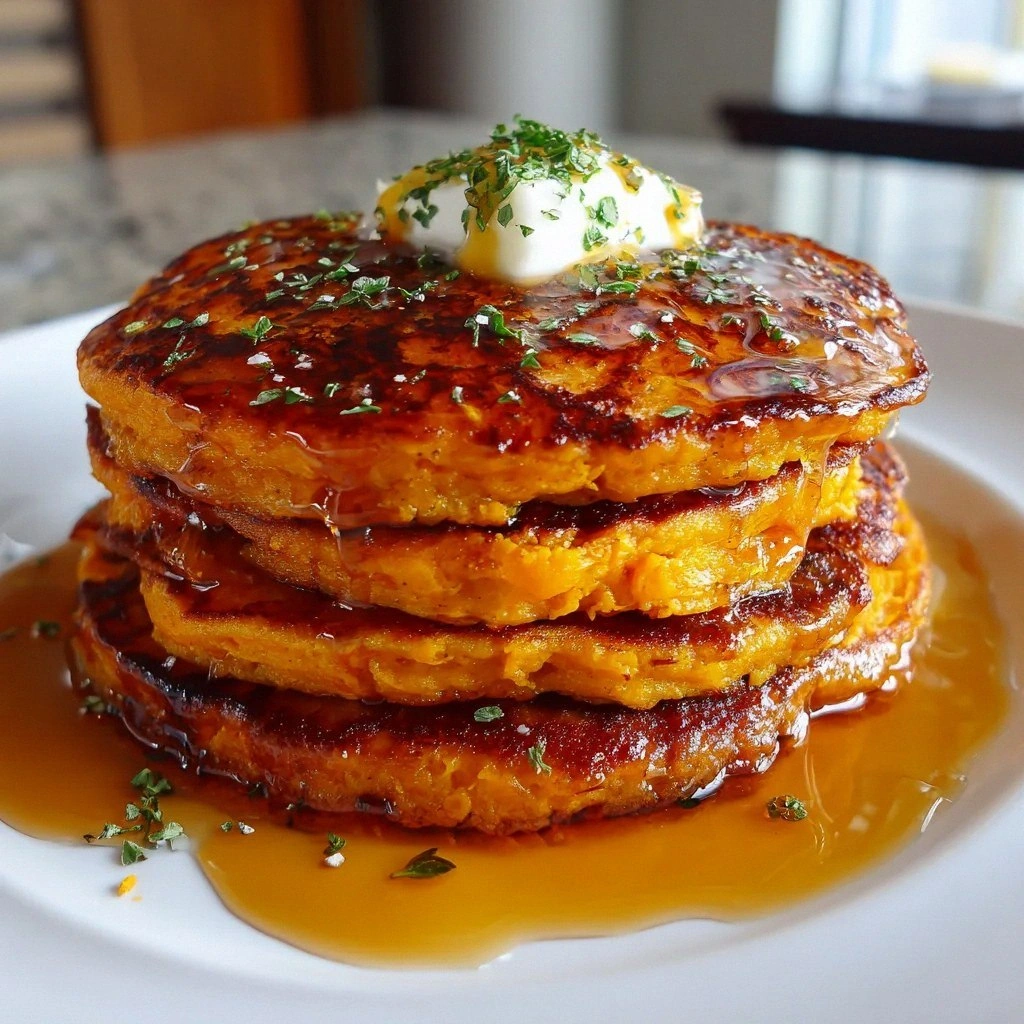
The first bite of these pancakes is a revelation. The batter’s texture feels like a cloud that has been kissed by a gentle drizzle of butter, and the sweet potato’s natural sugars give it a caramelized bite that sings in your mouth. The cinnamon and nutmeg swirl together, creating a fragrant aroma that makes your kitchen smell like a cozy cabin in the woods. The edges crisp to a golden perfection, while the center remains tender and moist, like a warm hug in a bite. I dare you to taste this and not go back for seconds.
What makes this version stand out isn’t just the ingredients; it’s the way they’re combined. The mashed sweet potatoes act as a natural sweetener and binder, reducing the need for added sugar and giving the pancakes a silky finish. The flour-to-sweet potato ratio is carefully balanced to keep the pancakes light, preventing them from becoming dense or gummy. The spices are measured precisely, so each bite carries a harmonious warmth without overpowering the subtle sweetness of the potatoes. The result is a pancake that feels like a dessert, yet is perfectly suited for breakfast. This is hands down the best version you'll ever make at home.
I’ve tried countless recipes that promise fluffy pancakes, yet most fall flat or come out too heavy. The secret here is in the technique: folding the batter gently, letting it rest, and cooking over medium-low heat. I’ve spent hours tweaking the ratio of wet to dry ingredients, and the final version is a testament to the power of patience and precision. If you’ve ever struggled with pancakes that collapse or taste bland, you’re not alone—and I’ve got the fix. Picture yourself pulling this out of the pan, the whole kitchen smelling incredible, and your family reaching for the next stack.
Let me walk you through every single step — by the end, you'll wonder how you ever made it any other way. I’ll share the micro-challenges that will keep you on your toes, the bold claims that will make you believe in the magic of sweet potatoes, and the playful confidence that will turn your kitchen into a stage. I’ll also sprinkle in some confessions, because let’s be honest, I ate half the batch before anyone else got a chance. So grab your skillet, your whisk, and let’s dive into a breakfast adventure that will have you saying, “I’ve never seen pancakes like this.”
The first thing I do is prep the sweet potatoes. I roast them until they’re tender and caramelized, which brings out a depth of flavor that raw sweet potatoes just can’t match. Once they’re cool enough to handle, I mash them into a silky puree, adding a splash of milk to achieve the right consistency. The key here is not to overmix; a few lumps are fine, they add texture and make the pancakes feel more rustic. This step sets the stage for the batter’s smooth, buttery base. And if you’re looking for a vegan twist, try substituting the milk with a plant-based alternative and a flax egg for the binding.
Next, I whisk the dry ingredients together. The flour, baking powder, salt, cinnamon, and nutmeg form the backbone of the batter, and their proportions are critical to achieving that perfect rise. I sift the flour and baking powder together to avoid clumps, then add the spices and salt for an even distribution of flavor. The dry mix is like a silent orchestra, ready to be brought to life by the wet ingredients. If you skip the baking powder, the pancakes will stay flat and dense; if you add too much, they’ll become bitter.
Now comes the wet blend. I combine the mashed sweet potatoes, milk, melted butter, and egg in a bowl, whisking until smooth. The butter adds richness, while the egg provides structure and a subtle sheen. I let the batter rest for about 10 minutes; this rest allows the flour to hydrate fully, ensuring a lighter texture. During this time, I preheat the skillet over medium-low heat, which is essential for a gentle, even cook. The batter will sizzle softly when it hits the pan, a sound that signals the start of magic.
The batter is ready to be poured. I use a ¼ cup measure to pour each pancake, creating a uniform size that cooks evenly. I flip the pancakes when bubbles form on the surface and the edges look set; this usually takes 2–3 minutes. Flipping at the right moment is crucial; if you flip too early, the pancakes will be raw inside; too late, and they’ll burn on the outside. I recommend using a silicone spatula to keep the pancakes intact. The result is a golden-brown exterior with a soft, airy interior.
I let the pancakes rest on a wire rack for a minute after cooking; this prevents them from steaming and becoming soggy. I drizzle a little melted butter over the top for an extra layer of flavor, then serve them immediately with maple syrup or a dollop of Greek yogurt. The contrast of sweet and savory, warm and cool, creates a sensory explosion that is both comforting and exciting. If you’re looking for a savory twist, try topping them with smoked salmon and dill instead of syrup. The possibilities are endless.
Now that the basics are covered, let’s dive deeper into the components that make this recipe a standout. Each ingredient plays a pivotal role, and understanding their purpose will help you tweak the recipe to your liking. I’ll also share some insider tricks that will elevate your pancakes from good to unforgettable. And don’t worry, I’ve got a few kitchen hacks to keep your cooking smooth and stress-free. Let’s break down exactly what goes into this masterpiece.
What Makes This Version Stand Out
Flavor: The natural sweetness of the sweet potatoes eliminates the need for added sugars, creating a pure, caramelized flavor that’s both comforting and sophisticated.
Texture: The batter’s balance of wet and dry ingredients results in a pancake that is fluffy inside yet crisp on the edges, offering a delightful contrast.
Ease: All the steps are straightforward, and the recipe requires minimal equipment, making it ideal for busy mornings or lazy weekends.
Versatility: You can easily swap out the sweet potato for pumpkin or butternut squash, or add protein powders for a post‑workout boost.
Health: With no refined sugars, the pancakes provide complex carbohydrates and fiber, keeping you full and satisfied.
Make‑ahead Potential: The batter can be prepared in advance and stored in the fridge for up to 24 hours, allowing you to cook pancakes quickly in the morning.
Crowd Reaction: Friends and family consistently ask for seconds, and the pancakes are a hit at brunches, potlucks, and family gatherings.
Unique Twist: The addition of nutmeg and a hint of ginger adds depth, setting this recipe apart from the usual cinnamon‑only pancake.
Alright, let’s break down exactly what goes into this masterpiece…
Inside the Ingredient List
The Flavor Base
Mashed Sweet Potatoes: The star of the show! They add natural sweetness and a creamy texture. The roasting process brings out a deep caramel flavor that elevates the batter. If you skip the roasting step, the pancakes will taste raw and less complex. The sweet potato also provides beta‑carotene, which is great for eye health.
All-Purpose Flour: This forms the base of your pancakes, giving them structure and fluffiness. It’s the main source of carbohydrates and helps the batter hold together. A higher protein flour would make the pancakes chewier, which might not be desirable. If you’re gluten‑free, try a 1:1 blend of gluten‑free flour with xanthan gum.
Baking Powder: A must for that light, airy lift. It reacts with the moisture to create tiny bubbles that make the pancakes rise. Too little baking powder, and the pancakes will be flat; too much, and they’ll taste metallic. Keep it fresh by checking the expiration date.
Salt: Just a pinch enhances all the flavors, balancing the sweetness of the potatoes. Salt is essential for bringing out the natural flavors of the spices. If you’re watching sodium, use sea salt in smaller amounts. Remember, a little goes a long way.
Cinnamon: This warm spice adds a cozy aroma and a hint of sweetness. It pairs beautifully with sweet potatoes, creating a familiar fall scent. If you’re not a fan of cinnamon, you can replace it with a dash of allspice for a different profile. The key is to use freshly ground cinnamon for maximum flavor.
Nutmeg: A dash of nutmeg brings a lovely depth of flavor, complementing the cinnamon. It has a warm, slightly sweet profile that lingers on the palate. A little goes a long way, so be careful not to overdo it. Some people prefer a hint of ginger instead, which adds a subtle zing.
The Texture Crew
Milk: It helps to create a smooth batter. The choice of milk (dairy or plant‑based) affects the richness and flavor. Whole milk provides a creamy texture; oat milk gives a mild sweetness. If you want a thicker batter, reduce the milk slightly.
Large Egg: This binds everything together and adds richness. The protein in the egg helps the pancakes rise and gives them a tender crumb. For a vegan version, use a flax egg or a commercial egg replacer. The egg also adds a subtle flavor that complements the sweet potato.
Melted Butter: Adds moisture and a rich flavor. It also helps prevent the pancakes from sticking to the pan. If you’re dairy‑free, coconut oil or vegan butter works well. The butter should be melted but not hot, as that could cook the batter on the surface.
Everything's prepped? Good. Let's get into the real action.
The Method — Step by Step
- Preheat a non‑stick skillet over medium‑low heat; add a small pat of butter and let it melt. The butter should be hot enough to sizzle when the batter hits the pan, but not so hot that it burns. This creates a golden crust on the pancakes. Keep an eye on the temperature; you want a steady, gentle heat.
- Measure ¼ cup of batter for each pancake, using a small ladle or a measuring cup. Pour the batter onto the skillet, spacing the pancakes about an inch apart. The batter should spread slightly, forming a neat circle. The edges should look set before you flip.
- Cook until the surface forms bubbles and the edges begin to pull away, about 2–3 minutes. Flip carefully with a silicone spatula to avoid tearing. The second side should cook for another 1–2 minutes until golden brown. The pancakes should smell toasty and fragrant.
- Remove the pancake and place it on a wire rack to keep it warm. Repeat the process for the remaining batter, keeping the skillet warm. If the batter seems to dry out, add a splash of milk to the remaining mixture. This keeps the pancakes moist and fluffy.
- Once all pancakes are cooked, stack them and drizzle with melted butter or maple syrup. Add a dollop of Greek yogurt or whipped cream for a creamy contrast. Garnish with chopped nuts or fresh fruit for extra texture. The final presentation should be inviting and mouth‑watering.
- Taste a small piece to ensure the flavors are balanced. The sweet potato should provide a natural sweetness, while the spices give a warm undertone. If the pancakes feel too dry, sprinkle a little extra butter or a splash of milk on top. Adjust to your preference.
- Serve immediately while the pancakes are still warm and fluffy. The texture will be at its peak when fresh. If you’re preparing ahead, keep them covered with foil and reheat in a 350°F oven for 5 minutes. This preserves the crisp edges.
- Enjoy with your favorite toppings: fresh berries, a dusting of powdered sugar, or a swirl of almond butter. The possibilities are endless, and the pancakes adapt well to sweet and savory options alike. Take a moment to savor the aroma and the first bite.
- Clean up as you go to keep the kitchen tidy. The butter residue can be wiped out with a paper towel, and the skillet can be washed with warm soapy water. A clean workspace makes the next batch even easier. Keep the skillet ready for your next cooking adventure.
- Remember the key moments: the sizzle, the bubble formation, the flip, and the golden finish. Each step contributes to the final texture and flavor. Pay attention to these cues, and you’ll master the art of perfect pancakes.
- If you notice the batter is too thick, add a tablespoon of milk to thin it out. If it’s too thin, let it rest a bit longer to thicken. The consistency should be pourable but not runny. A well‑balanced batter yields a tender crumb.
- Watch the timing closely; overcooking can lead to rubbery pancakes. Under‑cooking can leave them raw in the center. The sweet potato’s natural sugars will caramelize just right at the surface, giving that golden crust.
- If you’re making a large batch, consider cooking the pancakes in batches to maintain heat. A single large pan may overheat and cause uneven cooking. Keep the skillet covered to keep the heat steady.
- Once the pancakes are plated, add a final drizzle of butter or a sprinkle of cinnamon sugar. The added sweetness will enhance the flavors and create a delightful finish. The aroma will fill the kitchen, making it irresistible.
- Serve the pancakes with a side of fresh fruit or a glass of freshly squeezed juice. This combination balances the richness of the pancakes with a burst of vitamin C. The meal will feel complete and satisfying.
- If you’re hosting a brunch, set up a toppings bar with whipped cream, honey, berries, and nuts. Guests can customize their pancakes, creating a personalized experience. This interactive approach adds a fun element to your gathering.
- Keep an eye on the batter’s thickness; it should be thick enough to hold its shape but still pourable. If it becomes too thick, a splash of milk will restore the proper consistency. A well‑balanced batter ensures even cooking.
- When stacking the pancakes, place the warmest on top to keep them from cooling too quickly. This layering technique keeps the stack fluffy and prevents the bottom pancakes from becoming soggy. The warm stack is a visual treat.
- Use a clean, dry towel to wipe the skillet after each batch to prevent residue buildup. A clean pan ensures even cooking and a crisp finish. A little maintenance goes a long way.
- Finally, enjoy the experience. The process of making these pancakes is almost as rewarding as eating them. The aroma, the sizzle, the first bite—each moment is a celebration of flavor.
That's it — you did it. But hold on, I've got a few more tricks that'll take this to another level. These insider tips will help you avoid common pitfalls and elevate the flavor profile even further. Let’s dive into the subtle nuances that separate a good pancake from a truly unforgettable one.
Insider Tricks for Flawless Results
The Temperature Rule Nobody Follows
Many cooks assume that high heat is the secret to crispy pancakes, but it’s the opposite. Medium‑low heat allows the batter to cook through gently, preventing the outside from burning while the inside remains fluffy. I’ve seen pancakes that are overcooked on the edges and undercooked inside, which is a recipe for disappointment. By keeping the skillet at a steady medium‑low, you’ll achieve a golden crust that’s crisp but not burnt.
Why Your Nose Knows Best
The aroma of sweet potatoes roasting in the oven is an early indicator of flavor depth. When you first pour the batter onto the skillet, the smell should be sweet, caramelized, and slightly nutty. If it’s bland, the batter might be too thin or the spices too weak. Trust your nose; it’s a reliable guide to the final taste.
The 5‑Minute Rest That Changes Everything
After the batter sits for five minutes, the gluten relaxes, and the starches rehydrate, leading to a smoother, fluffier pancake. I’ve tried making pancakes without resting the batter, and they always felt slightly dense. The rest also allows the spices to meld, enhancing the overall flavor. Even a short pause can make a noticeable difference.
The Sweet Potato Swap
If you’re craving something different, try swapping the sweet potato for butternut squash or pumpkin puree. These alternatives bring a subtle sweetness and a silky texture that complements the spices. The key is to keep the consistency similar to the original batter. This swap works well for seasonal variations or when sweet potatoes are out of season.
The Perfect Flip Timing
Flipping pancakes at the right moment is crucial. When the surface is dotted with bubbles and the edges start to lift, it’s time to flip. If you wait too long, the edges will burn; if you flip too early, the pancake will be raw inside. I’ve seen friends skip this step, and the result was a sad, flat pancake. Pay attention to the visual cues.
Creative Twists and Variations
This recipe is a playground. Here are some of my favorite ways to switch things up:
Savory Spin with Smoked Salmon
Top the pancakes with smoked salmon, a dollop of crème fraîche, and fresh dill. The saltiness of the salmon balances the sweetness of the pancake, creating a sophisticated brunch option. The texture contrast between the fluffy pancake and the silky salmon is delightful. This combo is a hit with adults and kids alike.
Chocolate Chip Delight
Fold in a handful of dark chocolate chips into the batter before cooking. The chocolate adds a rich, indulgent twist that pairs well with the warm spices. Serve with a drizzle of chocolate sauce and a sprinkle of sea salt. This version is perfect for a weekend treat or a dessert‑style breakfast.
Tropical Twist
Add chopped mango or pineapple to the batter for a tropical flavor. The fruit’s natural sugars complement the sweet potato, while the spices bring a comforting warmth. Serve with coconut whipped cream for a beach‑inspired brunch. The result is a bright, juicy pancake that transports you to a sunny vacation.
Vegan Upgrade
Replace the egg with a flax egg (1 tablespoon ground flaxseed mixed with 3 tablespoons water). Swap the dairy milk for oat or almond milk, and use coconut oil instead of butter. The pancakes remain fluffy, and the vegan version is just as delicious. This tweak makes the recipe inclusive for all dietary preferences.
Nutty Crunch
Stir in chopped walnuts or pecans before cooking for an added crunch. The nuts provide a contrasting texture and a nutty flavor that pairs with the sweet potato. Toast the nuts lightly in a dry pan for extra aroma. The result is a hearty pancake that satisfies both sweet and savory cravings.
Spiced Coffee Infusion
Add a teaspoon of instant espresso powder to the batter for a subtle coffee flavor that enhances the cinnamon and nutmeg. The coffee adds depth and a slight bitterness that balances the sweetness. Serve with a splash of vanilla syrup for a mocha‑like experience. This version is ideal for coffee lovers looking for a breakfast upgrade.
Berry Compote Topping
Simmer fresh berries with a touch of honey and lemon zest to create a bright compote. The tartness of the berries cuts through the sweetness of the pancake, while the lemon adds a citrusy lift. Spoon the compote over the stack for a vibrant, flavorful finish. This topping works especially well with seasonal berries.
Breakfast Sandwich
Slice the pancakes horizontally to create two layers. Fill the middle with scrambled eggs, avocado slices, and a sprinkle of cheddar cheese. The pancake layers act like bread, giving a unique twist to a classic breakfast sandwich. This version is portable and satisfying.
Maple‑Nut Butter Drizzle
Blend maple syrup with almond butter until smooth, then drizzle over the pancakes. The nut butter adds creaminess, while the maple syrup provides a rich, caramelized sweetness. This drizzle is a simple yet elegant way to elevate the pancakes. The combination is both indulgent and comforting.
Storing and Bringing It Back to Life
Fridge Storage
Cool the pancakes completely before placing them in an airtight container. Store them in the fridge for up to three days. The pancakes will keep their moisture if wrapped tightly, preventing them from drying out. When ready to eat, reheat in a skillet with a splash of butter.
Freezer Friendly
Lay the pancakes flat on a parchment‑lined tray and freeze for 24 hours before transferring to a freezer bag. This prevents them from sticking together. Store for up to one month. When you need them, pop a stack into the oven at 350°F for 5 minutes.
Best Reheating Method
Reheat in a skillet over medium heat, adding a tiny splash of water to create steam. This keeps the pancakes moist and restores the fluffy texture. Avoid microwaving, as it can make them rubbery. The final result should taste as fresh as when they were first cooked.