I still remember the night I burned the chicken on the stove, the smoke curling up like a foggy ghost, and the kitchen smelling like a burnt matchbox. That disaster sparked a daring challenge: I had to turn that culinary blunder into a masterpiece that would make my friends gasp and my taste buds dance. I was determined to create a dish that could stand up to the heat of a summer day, the sweetness of a winter holiday, and the comfort of a Sunday night all at once.
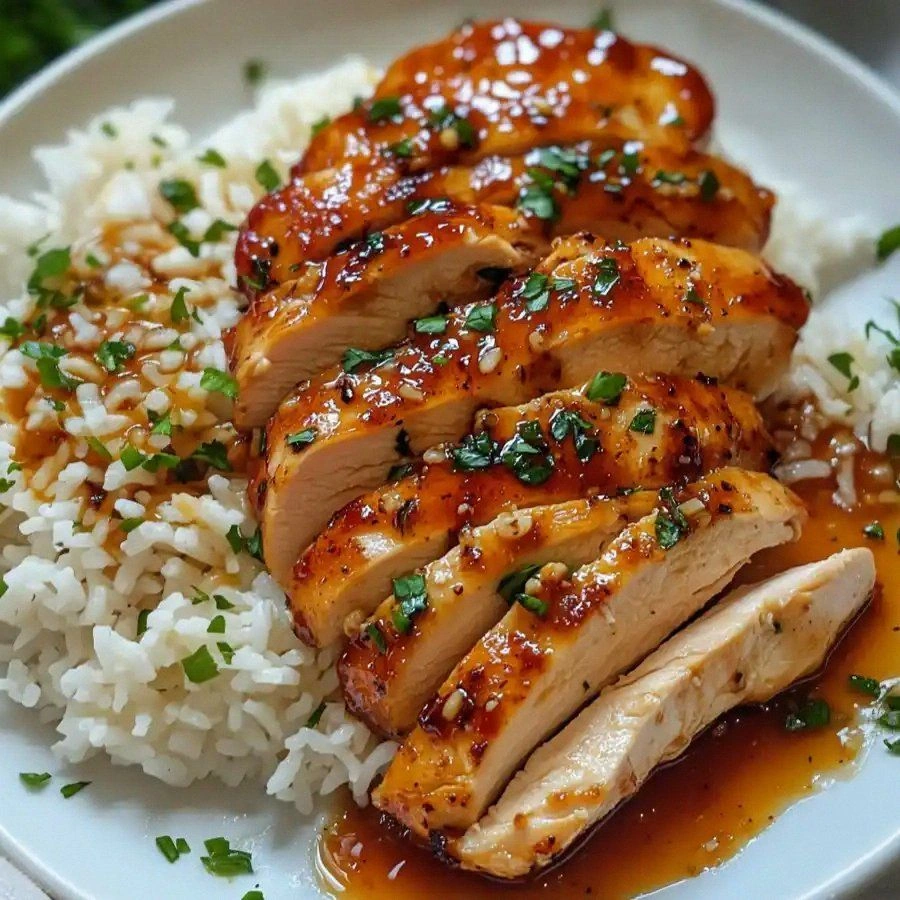
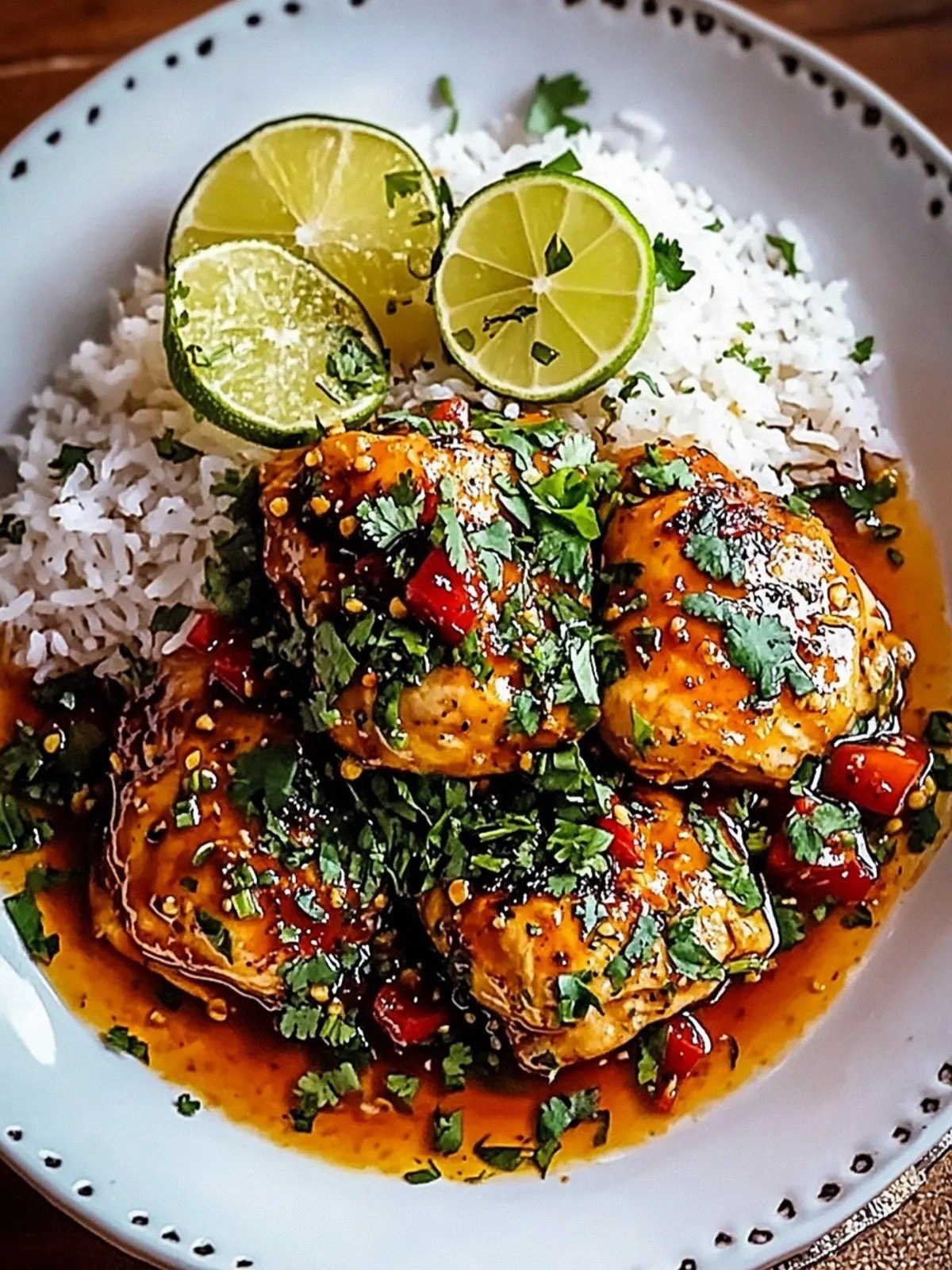
Close your eyes and picture the scene: a sizzling pan, the amber glow of maple syrup caramelizing, and the sharp, green pop of cilantro against the glossy surface of the chicken. The air is thick with the scent of toasted garlic and the gentle, sweet perfume of coconut milk. When you take that first bite, the flavors unfold like a sunrise—sweetness, umami, and a hint of heat that lingers on the palate, followed by a burst of citrus that lifts the whole dish.
What sets this version apart is the deliberate balance of textures and flavors. The chicken is seared to a caramelized crust while remaining juicy inside, the maple glaze coats each piece like velvet, and the coconut rice soaks up every drop of sauce, turning a simple grain into a silky, fragrant accompaniment. I’ve taken the classic spicy chicken recipe and elevated it with a maple twist, a subtle chili kick, and a fresh cilantro finish that makes it feel both familiar and utterly novel.
I’ll give you a hint: the secret to that irresistible glaze is a precise timing that locks in the maple’s natural sweetness without turning it into syrupy goo. I dare you to taste this and not go back for seconds, because once the flavors settle, you’ll find yourself craving the next bite. Let me walk you through every single step — by the end, you’ll wonder how you ever made it any other way.
What Makes This Version Stand Out
- Flavor Depth: The combination of maple syrup, soy sauce, and sriracha creates a layered taste profile that is sweet, salty, and spicy all at once. Each bite delivers a new nuance, keeping the palate intrigued.
- Texture Contrast: The chicken’s exterior crisps to a caramelized finish while the interior stays moist and tender, offering a satisfying bite that is both crunchy and succulent.
- Ingredient Quality: Using fresh, high‑grade ingredients—especially a good‑quality coconut milk and fresh lime—ensures that each component shines and doesn’t get lost in the sauce.
- Time Efficiency: Prep takes only 15 minutes, and the dish is ready in 30 minutes, making it an ideal weeknight dinner that doesn’t compromise on flavor.
- Visual Appeal: The vibrant green of cilantro and the glossy glaze make the dish look as good as it tastes, turning any table into a show‑stopper.
- Versatility: This recipe adapts beautifully to different protein options and can be served over rice, quinoa, or even roasted vegetables.
- Make‑Ahead Friendly: The sauce can be prepared ahead of time and stored, allowing you to assemble the dish quickly when guests arrive.
- Heat Control: The chili flakes and sriracha provide a customizable heat level, letting you dial the spice up or down without sacrificing flavor.
Inside the Ingredient List
The Flavor Base
Maple syrup is the heart of this dish, providing a natural sweetness that balances the acidity of lime and the saltiness of soy sauce. The syrup’s thick consistency coats the chicken, creating a glossy, caramelized finish that is both inviting and delicious. If you skip maple, the sauce will lose its depth and become a plain sweet‑and‑salty glaze.
Soy sauce adds umami and salt, anchoring the sweetness with savory undertones. A high‑quality, low‑sodium soy sauce will keep the dish from becoming overly salty. Swapping for tamari can accommodate gluten‑free needs without compromising flavor.
Sriracha brings a bright, peppery heat that cuts through the richness of coconut milk. Adjust the amount to taste—less for a milder dish, more for a fiery kick. If you’re sensitive to heat, replace sriracha with a milder chili sauce or a dash of cayenne pepper.
The Texture Crew
Olive oil is essential for searing the chicken; it helps achieve a golden crust and prevents sticking. Choosing a light olive oil keeps the flavor from overpowering the glaze.
Garlic provides aromatic depth; the cloves should be minced finely so they infuse the oil without forming large chunks that could burn. If you’re allergic to garlic, a small amount of garlic powder can mimic the flavor, though it won’t offer the same aroma.
Chili flakes add a subtle, lingering heat that spreads evenly throughout the sauce. They also contribute a slight crunch if you prefer a bit of texture. Use fresh flakes for the most vibrant flavor; dried flakes can be rehydrated in a splash of coconut milk.
The Unexpected Star
Coconut milk is the creamy backbone of the sauce, providing a luscious mouthfeel that contrasts with the sweet maple. The fat content of coconut milk also helps carry the flavors and keeps the sauce from separating. For a lighter version, substitute half coconut milk with Greek yogurt, but be careful to temper the yogurt to avoid curdling.
Jasmine rice is the ideal grain for soaking up the sauce; its fragrant aroma elevates the dish, and its fluffy texture complements the chicken’s chewiness. If you prefer a heartier grain, try brown rice or quinoa, but adjust the liquid ratio accordingly.
The Final Flourish
Fresh cilantro adds a bright, herbal note that cuts through the richness and balances the heat. Rinse the leaves thoroughly to remove any grit, and chop them just before serving to preserve their color and flavor.
Lime wedges are the finishing touch, offering a zesty brightness that lifts the dish. The acidity of lime not only enhances the flavors but also helps to cut the heaviness of coconut milk. If you’re in the mood for a sweeter finish, a drizzle of lime-infused honey works beautifully.
Everything's prepped? Good. Let's get into the real action.
The Method — Step by Step
- Season the chicken breasts with salt and pepper, then pat them dry with paper towels. A dry surface is crucial for a good sear; moisture will steam instead of brown. Heat a large skillet over medium‑high heat and add the olive oil, swirling to coat the pan.
- Once the oil shimmers, place the chicken breasts in the pan, skin‑side down if applicable. Let them cook undisturbed for 4–5 minutes until a golden crust forms; flipping too early will prevent that beautiful caramelization.
- Flip the chicken and add the minced garlic, chili flakes, and a splash of soy sauce. The garlic should sizzle and release a fragrant aroma within seconds. Watch for any burning; if it starts to darken, reduce the heat slightly.
- Stir in the maple syrup and sriracha, letting the mixture bubble for 1–2 minutes. The sauce should thicken slightly and coat the back of a spoon, indicating the sugars are caramelizing. This is the moment of truth—don’t let it burn.
- Reduce the heat to low and pour the coconut milk into the pan, stirring gently to combine. The sauce should be silky and glossy, with the maple syrup’s sweetness evenly distributed. Let it simmer for 3 minutes so the flavors meld.
- Meanwhile, rinse the jasmine rice under cold water until the water runs clear. This removes excess starch and keeps the rice fluffy. In a saucepan, combine the rice, chicken broth, and a pinch of salt, then bring to a boil.
- Once boiling, reduce the heat to low, cover, and let the rice steam for 15 minutes until the liquid is absorbed. Fluff the rice with a fork and set aside; it will absorb the sauce later, becoming a fragrant companion to the chicken.
- Return the chicken to the pan, nestling it in the sauce. Let it cook for an additional 5–7 minutes, spooning sauce over the top to keep the meat moist. The chicken is done when the internal temperature reaches 165°F (74°C).
- Once the chicken is cooked, sprinkle fresh cilantro over the top and squeeze a lime wedge across the dish. The bright citrus cuts through the richness and adds a fresh, zesty finish. Serve immediately over the steaming jasmine rice.
That’s it—you did it. But hold on, I've got a few more tricks that'll take this to another level.
Insider Tricks for Flawless Results
The Temperature Rule Nobody Follows
Cooking the chicken at the right temperature is essential for a juicy interior. I recommend using a medium‑high flame for the initial sear, then lowering to medium‑low when adding the sauce. This prevents the outside from burning while ensuring the inside reaches the perfect 165°F.
Why Your Nose Knows Best
Smell the sauce as it simmers; a pleasant, caramelized aroma signals the maple syrup has cooked through. If the smell turns smoky, reduce the heat immediately—this early detection saves the dish from a bitter finish.
The 5‑Minute Rest That Changes Everything
Once the chicken is removed from the heat, let it rest for five minutes. This allows the juices to redistribute, keeping the meat moist and tender. Skipping this step often results in dry, unevenly cooked chicken.
Layering Flavors with the Sauce
Add the coconut milk in two stages: first a small splash to start the sauce, then the rest after the chicken is in. This technique prevents the sauce from becoming too thick or clumpy, ensuring a smooth, glossy finish.
Using Fresh Lime Juice Over Lime Wedges
Squeezing fresh lime juice directly onto the dish right before serving adds a bright burst of acidity that elevates the flavors. The juice also helps balance the sweetness of the maple and the richness of the coconut.
The Perfect Rice Ratio
For jasmine rice, use a 1:1.5 ratio of rice to liquid. This ratio keeps the grains fluffy and prevents them from absorbing too much sauce, which could make the dish soggy.
Creative Twists and Variations
This recipe is a playground. Here are some of my favorite ways to switch things up:
Asian Fusion Twist
Swap jasmine rice for brown rice or quinoa and add a handful of sliced bok choy in the last minute of cooking. The earthy greens complement the sweet‑spicy glaze, creating a wholesome bowl that feels like a take‑out upgrade.
Mediterranean Flair
Replace coconut milk with a light tomato‑based sauce and sprinkle crumbled feta on top. The acidity of the tomato and the saltiness of feta create a Mediterranean vibe that pairs well with a crisp green salad.
Citrus‑Infused Variation
Add a splash of orange juice to the sauce and finish with a garnish of toasted orange zest. The citrus brightness lifts the dish, making it feel like a springtime celebration.
Gluten‑Free Edition
Use tamari instead of soy sauce and serve over cauliflower rice. This version keeps the flavor profile intact while keeping it safe for gluten‑sensitive diners.
Low‑Carb Option
Replace jasmine rice with sautéed zucchini noodles and add a pinch of crushed red pepper for extra heat. The noodles absorb the sauce beautifully, giving you a satisfying, low‑carb meal.
Vegan Transformation
Swap chicken for grilled tofu cubes and use coconut aminos for a plant‑based soy alternative. The tofu takes on the sauce’s sweet‑spicy flavor, making this a hearty vegan entrée.
Storing and Bringing It Back to Life
Fridge Storage
Cool the dish completely, then divide into airtight containers. Store in the refrigerator for up to 3 days. The sauce may thicken slightly; a splash of water or broth before reheating will restore its silky texture.
Freezer Friendly
For longer storage, freeze the chicken and sauce separately to prevent the rice from becoming mushy. Label containers with the date and use within 2 months. Thaw overnight in the fridge before reheating.
Best Reheating Method
Reheat the sauce and chicken in a skillet over medium heat, stirring frequently. Add a teaspoon of coconut milk or water to loosen the sauce. Serve over freshly cooked jasmine rice to keep the dish vibrant.