I still remember the night I tried to make a humble batch of rhubarb bars that I’d seen on a food blog, and the kitchen turned into a battlefield. The rhubarb was overcooked, the custard thickened into a lumpy pudding, and the crust was a sad, soggy gray that looked like a forgotten crayon. I stared at the ruined tray, heart sinking, and whispered to myself, “I’m not going to let this happen again.” That moment sparked a culinary mission: to create a rhubarb custard bar that would not only survive the oven but would dominate the dessert table. Fast forward, and this is the result— a recipe that marries a buttery, crisp base with a silky custard that sings the bright, tart notes of rhubarb, finished with a dusting of powdered sugar that glistens like sugar crystals on snow.
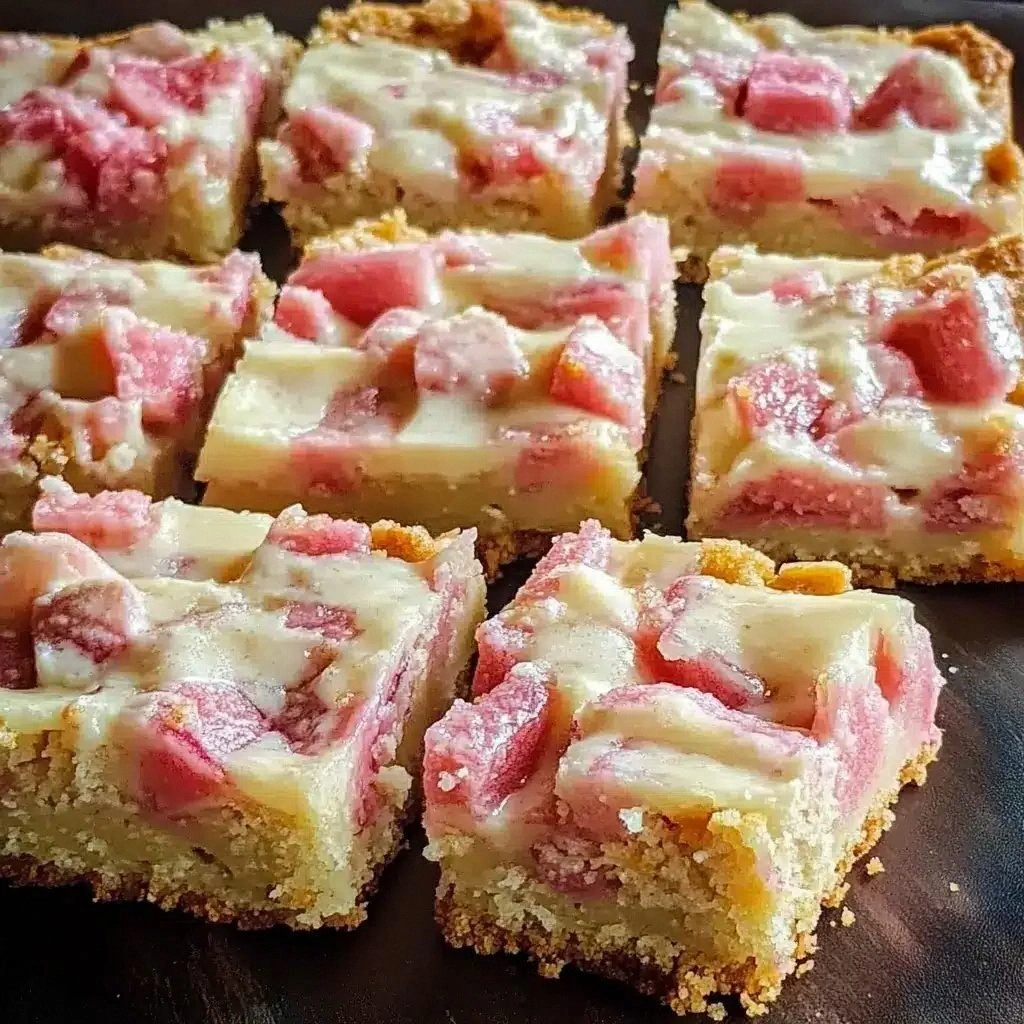
Picture the scene: the kitchen is filled with the sharp, citrusy scent of fresh rhubarb as it sizzles in butter, the rhythmic clink of spoons against a saucepan, and the comforting crackle of a pastry crust baking in a preheated oven. The visual is a golden crust, slightly caramelized on the edges, with a glossy custard that glows like a polished marble countertop. As you lift a bar, the custard’s silky texture slides between your fingers, while the crust offers a satisfying crunch that snaps like a crisp winter snap. The first bite delivers a burst of tartness balanced by subtle vanilla sweetness, and the finish lingers with a faint nutty undertone from the crust. Every sense is engaged, from the fragrant aroma that beckons you to the tactile pleasure of a perfectly balanced bite.
What makes this version stand out is not just the flawless execution but the intentional choices that elevate each component. I swapped out standard flour for a blend that includes a touch of almond flour, adding a subtle nutty flavor and extra tenderness to the crust. I introduced a splash of lemon zest into the custard to brighten the natural tartness of rhubarb, preventing it from feeling flat. The custard itself uses a classic roux technique, ensuring a velvety consistency that clings to the bars without becoming gloopy. I also added a pinch of sea salt to the crust, a simple tweak that amplifies sweetness and balances flavors—a small secret that turns a good dessert into a memorable one.
I dare you to taste this and not go back for seconds. If you’re skeptical, let me assure you: this is hands down the best version of rhubarb custard bars you’ll ever make at home. Most recipes get this completely wrong—crusts that are soggy, custard that overcooks, or rhubarb that turns mushy. Here’s what actually works: a buttery, crisp base, a custard that glides like silk, and rhubarb that stays bright and firm. Picture yourself pulling these out of the oven, the whole kitchen smelling incredible, and the anticipation of that first bite building like a crescendo. And if you’re a perfectionist, stay with me here—this is worth it.
What Makes This Version Stand Out
- Texture: The crust is buttery and flaky, not dense or doughy, thanks to the blend of all-purpose and almond flour. It gives a satisfying crunch that contrasts the silky custard.
- Flavor Balance: The custard’s vanilla and lemon zest lift the tartness of rhubarb without masking it, creating a harmony that sings.
- Ease of Prep: The recipe uses a two‑step process—make the crust first, let it cool, then assemble the custard—making it approachable for beginners.
- Make‑Ahead Friendly: The bars can be assembled ahead of time, refrigerated, and baked later, making them perfect for parties or busy weeks.
- Presentation: A dusting of powdered sugar and a drizzle of glaze gives a polished look that’s Instagram‑ready.
- Ingredient Quality: Using fresh rhubarb and high‑quality butter elevates the flavor profile and ensures a premium taste.
- Versatility: The base can be adapted to gluten‑free or vegan versions with simple swaps.
- Crowd Appeal: These bars are a hit at family gatherings, with kids and adults alike clamoring for more.
Inside the Ingredient List
The Flavor Base
All-purpose flour (2 cups) is the backbone of the crust, providing structure and a neutral canvas for the butter. It’s the classic choice for pastry, but pairing it with almond flour adds a subtle nuttiness that complements the tart rhubarb. The almond flour also contributes a slightly lighter crumb, preventing the crust from feeling heavy.
Powdered sugar (1/2 cup) is folded into the dry mix to sweeten the crust while keeping the texture tender. Powdered sugar dissolves quickly, ensuring no gritty bits in the finished product. If you prefer a sweeter crust, you can increase the sugar by 2 tablespoons.
Unsalted butter (1/2 cup), cold and cubed, is the secret to a flaky crust. Butter’s fat content coats the flour, inhibiting gluten development and creating that desirable flaky layers. Remember to keep the butter cold; if it melts before baking, the crust will be greasy.
The Texture Crew
Salt (1/2 tsp) balances the sweetness and enhances the overall flavor profile. A pinch of sea salt is preferable for a subtle briny contrast that elevates the custard’s richness.
Baking powder (1 tsp) helps the crust rise slightly, giving it a lighter mouthfeel. While the crust doesn’t need to rise dramatically, a hint of lift prevents it from feeling flat.
Milk (1 cup) is used in the custard to create a silky base. Whole milk gives a richer flavor, but 2% milk works just as well if you’re watching calories. The milk’s fat content helps the custard set smoothly.
The Unexpected Star
Rhubarb (1 cup, chopped into 1/2-inch pieces) is the star ingredient. Fresh rhubarb brings a bright, tart flavor that cuts through the sweetness of the custard. If you can’t find fresh rhubarb, frozen is fine—just thaw and pat dry to avoid excess liquid.
Lemon zest (1 tbsp) brightens the custard, adding citrusy notes that enhance the rhubarb’s natural tartness. It also helps prevent the custard from becoming too thick during baking.
The Final Flourish
Eggs (4 large) are the binding agent in the custard. They provide structure and help the custard set to a custard-like consistency. If you’re looking for a vegan version, replace eggs with flax eggs or a commercial egg replacer.
Sugar (1 cup) is folded into the custard mixture to sweeten it. The custard’s sugar content is critical; too little, and the rhubarb will dominate; too much, and it becomes cloying.
Cornstarch (1/4 cup) thickens the custard, ensuring it holds its shape once baked. It also gives the custard a glossy sheen that makes the bars look professionally finished.
Vanilla extract (1 tsp) adds warmth and depth, rounding out the flavors. A splash of almond extract could also be used for a nutty twist.
Everything’s prepped? Good. Let’s get into the real action.
The Method — Step by Step
- Prepare the crust: In a large bowl, whisk together the all‑purpose flour, almond flour, powdered sugar, baking powder, and salt. Add the cold cubed butter and, using your fingertips or a pastry cutter, work the butter into the dry mix until the mixture resembles coarse crumbs. Gently press the mixture into a 9‑inch tart pan, ensuring even coverage. Chill the crust in the fridge for 15 minutes to firm up.
- Blind bake the crust: Preheat the oven to 350°F (175°C). Line the chilled crust with parchment paper and fill with pie weights or dried beans. Bake for 12 minutes, then remove the weights and bake an additional 5 minutes until the crust is lightly golden. Let it cool completely on a wire rack.
- Cook the rhubarb: While the crust cools, melt 2 tablespoons of butter in a saucepan over medium heat. Add the chopped rhubarb and a pinch of sugar, sautéing for 4–5 minutes until the rhubarb softens but remains firm. Stir in the lemon zest and remove from heat. Let the mixture cool slightly; this prevents the custard from curdling when combined.
- Make the custard: In a medium saucepan, whisk together the milk, sugar, cornstarch, and vanilla extract until smooth. Cook over medium heat, stirring constantly, until the mixture thickens and reaches a gentle boil. Reduce heat to low and simmer for 2 minutes, then remove from heat. Let the custard cool for a few minutes; it should still be liquid but not hot.
- Assemble the bars: Stir the cooled rhubarb into the custard until evenly distributed. Pour the custard mixture into the cooled crust, filling it almost to the top. Tap the pan gently to remove any air bubbles. The custard should set slightly but remain moist.
- Bake the custard bars: Preheat the oven to 350°F (175°C) again. Bake the assembled bars for 25–30 minutes, or until the custard is set and the top has a light golden hue. The edges should pull away from the crust, indicating a perfect bake. Remove from oven and let cool completely on a wire rack.
- Finish and serve: Once cooled, dust the bars with powdered sugar for a classic finish. If you like a glossy sheen, drizzle a simple glaze made from powdered sugar and a splash of lemon juice. Slice into bars and serve at room temperature.
That’s it—you did it. But hold on, I’ve got a few more tricks that will take this to another level and ensure every bite is a masterpiece.
Insider Tricks for Flawless Results
The Temperature Rule Nobody Follows
Many bakers bake at a high temperature to set the custard quickly, but this can cause the custard to curdle. Instead, bake at a steady 350°F (175°C) and keep the oven door slightly ajar. This gentle heat allows the custard to set evenly without forming a crusty top.
Why Your Nose Knows Best
As the custard bakes, you’ll notice a subtle, buttery aroma mingling with the sweet scent of rhubarb. Trust that smell—it indicates the custard is at the perfect set point. If the aroma is faint, give it a few more minutes; if it’s too strong, the custard may be overcooked.
The 5‑Minute Rest That Changes Everything
After removing the bars from the oven, let them rest on the wire rack for at least five minutes. This pause allows the custard to firm up, making cutting cleaner and preventing a runny center.
The Crust Crumble Hack
If you prefer a more crumbly crust, fold in a tablespoon of finely ground nuts (like almonds or pecans) into the dry mix. The nuts add texture and a subtle nutty flavor that pairs beautifully with the tart rhubarb.
The Sweet‑Salt Balance
A pinch of sea salt in the crust isn’t just a flavor enhancer—it also balances the sweetness of the custard. If you’re watching sodium, use a low‑sodium salt alternative or reduce the amount slightly.
Creative Twists and Variations
This recipe is a playground. Here are some of my favorite ways to switch things up:
Maple‑Infused Bars
Swap the vanilla extract for maple syrup and add a splash of maple syrup to the custard. The result is a warm, caramelized flavor that complements the rhubarb’s tartness.
Berry‑Burst Variation
Add a cup of fresh blueberries or raspberries to the custard mixture. The berries add color, a burst of sweetness, and a slight tartness that balances the rhubarb.
Almond‑Crusted Delight
Replace the all‑purpose flour in the crust with almond flour and add a tablespoon of almond extract. The bars take on a nutty, slightly sweet profile that pairs beautifully with the custard.
Chocolate‑Covered Bars
After the bars have cooled, dip half of each bar in melted dark chocolate. The chocolate’s bitterness offsets the custard’s sweetness and creates a decadent treat.
Citrus‑Zest Variation
Add orange zest to the custard instead of lemon zest for a sweeter citrus note. The orange zest also adds a subtle floral aroma that lifts the overall flavor.
Vegan Version
Use coconut milk for the custard, replace eggs with flax eggs, and swap butter with coconut oil. The result is a dairy‑free, plant‑based version that still delivers on flavor and texture.
Storing and Bringing It Back to Life
Fridge Storage
Store the bars in an airtight container at room temperature for up to 3 days. The custard remains moist, and the crust stays crisp. For longer freshness, refrigerate the bars; they’ll keep well for up to a week.
Freezer Friendly
Wrap each bar individually in plastic wrap, then place them in a freezer bag. Freeze for up to 3 months. When ready to serve, thaw at room temperature for 30 minutes or warm in a 300°F oven for 5 minutes.
Best Reheating Method
To reheat, place the bars on a baking sheet and warm in a preheated 300°F oven for 5 minutes. Add a tiny splash of water to the custard layer before reheating; this steams the custard back to its original silky texture without drying out the crust.