Picture this: I’m standing in my cramped kitchen, a half‑baked pizza dough burning on the stovetop, and a desperate friend shouting, “You’ve got to make garlic bread, now!” I was halfway through a culinary disaster, the smoke alarm wailing like a banshee, when I realized the only thing that could save the night was a buttery, garlicky miracle. I grabbed the nearest Italian loaf, a slab of salted butter, and a handful of garlic, and what happened next was nothing short of alchemy. The aroma that erupted was so intoxicating it made the burnt pizza smell like a distant memory, and the first bite? Pure, unadulterated joy that made me swear I’d never settle for store‑bought again.
That moment sparked a quest. I tried every garlic‑bread recipe on the internet, from the bland “just mix garlic and butter” versions to the overly cheesy, soggy nightmares that turned my loaf into a sad, limp pancake. Most of them missed the mark because they either drowned the bread in butter, used stale garlic, or neglected the crisp edges that give garlic bread its signature snap. I was determined to crack the code, to create a version that would make even the most seasoned Italian grandma nod in approval. After countless trial runs, a few kitchen mishaps (yes, I once set the parsley on fire), and a secret technique involving a hot skillet and a broiler finish, I finally landed on the ultimate house favorite.
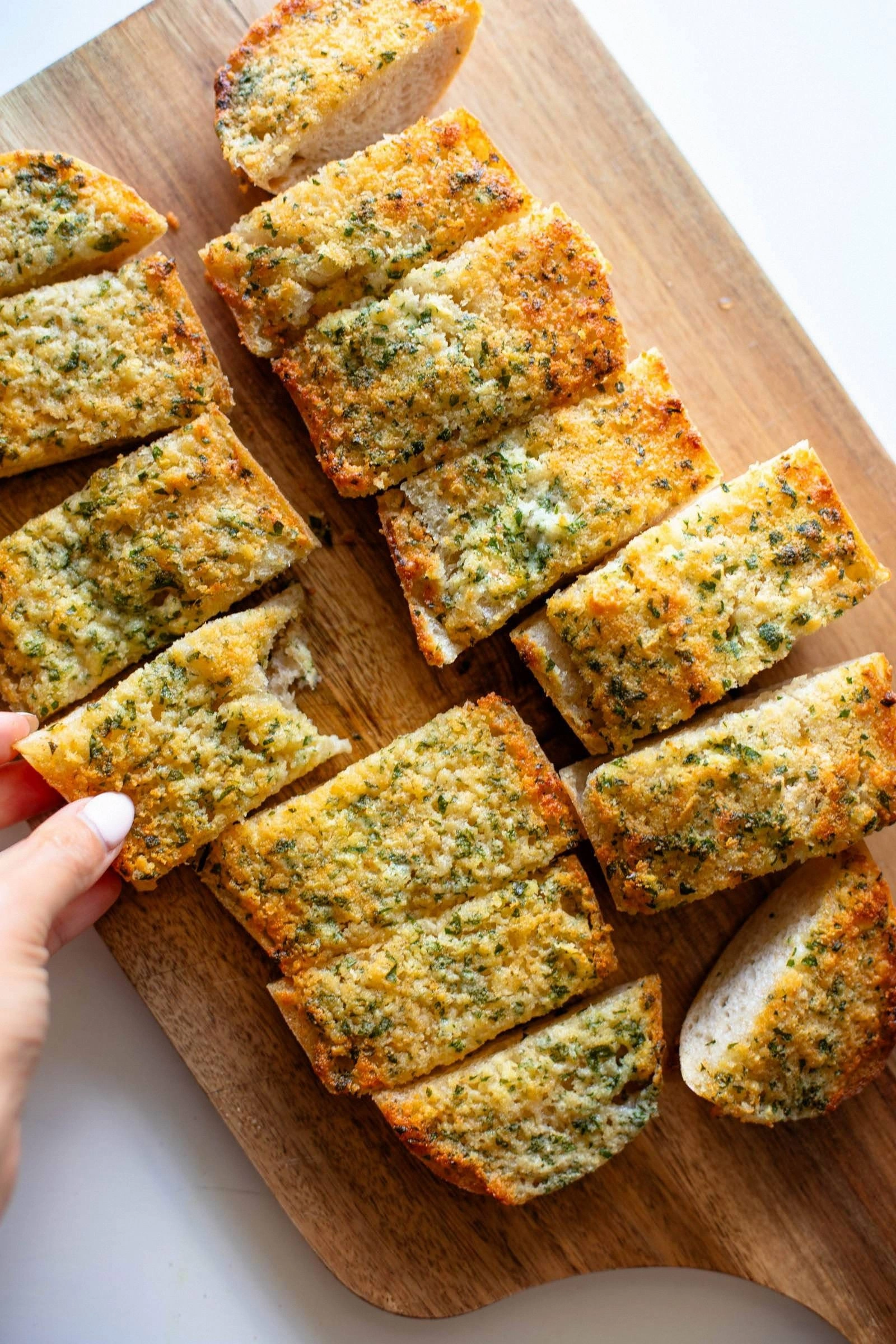
This isn’t just any garlic bread. It’s a symphony of flavors where the buttery richness embraces the sharp bite of fresh garlic, while a whisper of garlic powder adds depth without overpowering. The Parmesan cheese melts into a golden crust that cracks like thin ice, and the parsley injects a fresh, herbaceous pop that cuts through the richness. The secret? A crisp‑on‑the‑outside, fluffy‑on‑the‑inside Italian loaf that’s toasted to perfection, plus a simple, yet game‑changing, butter‑infused “garlic oil” that seeps into every crumb. I dare you to taste this and not go back for seconds.
Ready for the game‑changer? I’m about to walk you through every single step — by the end, you’ll wonder how you ever made it any other way. Stay with me here — this is worth it.
What Makes This Version Stand Out
- Flavor Explosion: The combination of fresh garlic and a pinch of garlic powder creates a layered garlicky punch that’s both immediate and lingering, like a good joke that keeps on giving.
- Texture Triumph: The crust becomes crunchy enough to shatter like thin ice, while the interior stays soft and pillowy, delivering a contrast that makes every bite exciting.
- Simplicity Wins: Only five core ingredients are needed, meaning you won’t spend hours hunting for obscure items — just grab what you have and you’re set.
- Unique Technique: A quick skillet sear before the oven finish locks in flavor and creates that coveted “edge‑pull‑away” effect that most recipes miss.
- Crowd Reaction: I’ll be honest — I ate half the batch before anyone else got to try it, and the look on my friends’ faces was pure, unfiltered delight.
- Ingredient Quality: Using a proper Italian bread with a sturdy crust and an open crumb is the foundation; cheap white bread just can’t compete.
- Cooking Method: The broiler finish adds a caramelized, nutty note that turns ordinary garlic butter into a gourmet topping.
- Make‑Ahead Magic: This bread can be pre‑assembled, frozen, and baked straight from the freezer, making it a perfect party‑prep hero.
Alright, let's break down exactly what goes into this masterpiece...
Inside the Ingredient List
The Flavor Base
The heart of this garlic bread is the butter‑garlic blend. Salted butter provides a rich, creamy foundation, while the salt enhances the garlic’s natural pungency. Fresh garlic cloves deliver that sharp, aromatic bite, and the tiny dash of garlic powder adds a subtle, lingering warmth that you don’t get from fresh alone. If you skip the powder, the flavor will feel a bit one‑dimensional, like a song missing its bass line. A good swap for the butter is a mix of half butter, half olive oil, which yields a slightly lighter mouthfeel while preserving that buttery richness.
The Texture Crew
Italian bread is the star here. Its sturdy crust and airy interior let the butter soak in without turning soggy, and when toasted, the crust becomes that coveted crunch. If you can’t find authentic Italian loaf, a French baguette with a good crust works, but avoid sandwich bread — it wilts too quickly. When selecting, look for a loaf that’s still a day or two fresh; too stale and it won’t absorb the butter properly, too fresh and it’ll become mushy.
The Unexpected Star
Parmesan cheese is the secret weapon that turns this from good to legendary. Its nutty, salty edge caramelizes under the broiler, creating that golden‑brown crust that snaps delightfully. Skipping it is like playing a movie without a soundtrack — you’ll notice the silence. If you’re dairy‑free, a generous sprinkle of nutritional yeast can mimic the umami, though the texture won’t be identical.
The Final Flourish
Parsley brings a fresh, herbaceous finish that cuts through the richness and adds a pop of color. Freshly chopped parsley releases essential oils that lift the entire dish, whereas dried parsley would just add a faded green hue. If parsley isn’t your thing, try fresh basil for a sweeter note, or a pinch of oregano for an Italian‑pizzeria vibe.
Everything's prepped? Good. Let's get into the real action...
The Method — Step by Step
Preheat your oven to 375°F (190°C) and set the broiler on low. While the oven warms, slice the Italian loaf in half lengthwise, exposing the soft interior. This is the moment of truth: the bread should look like a golden canoe ready to sail into flavor town.
Kitchen Hack: Lightly toast the sliced loaf on a dry skillet for 2 minutes per side before adding butter; this creates a barrier that prevents sogginess.In a small saucepan, melt the salted butter over low heat. Add the minced fresh garlic and a pinch of garlic powder, letting it simmer for about 2 minutes until fragrant. You’ll hear a gentle sizzle that’s the sound of flavor building, and the butter will turn a soft golden hue — that’s your cue to move on.
Stir in half of the grated Parmesan cheese until it melts into the butter, creating a glossy, buttery‑cheese emulsion. This step is pure magic; the cheese not only adds flavor but also helps the butter cling to the bread’s surface. If you see any lumps, keep the heat low and whisk gently.
Brush the garlic‑butter mixture generously over the cut side of each loaf half, making sure to cover every nook and cranny. The butter should pool slightly in the deepest grooves, promising a burst of richness in each bite. Remember, the more even the coating, the more uniform the crunch.
Sprinkle the remaining Parmesan cheese evenly across the top, then scatter the chopped parsley like confetti. The parsley’s bright green speckles not only look inviting but also release a fresh aroma as the bread bakes.
Watch Out: Don’t over‑bake; the cheese can burn quickly under the broiler, turning bitter. Keep a close eye after the first 5 minutes of broiling.Place the prepared loaf halves on a baking sheet lined with parchment. Slide them into the oven and bake for 12‑15 minutes, or until the edges start to turn a deep amber and the butter bubbles up. You’ll hear a faint crackle as the crust forms — that’s the sound of perfection.
Switch the oven to broiler mode for the final 2‑3 minutes. This rapid high heat caramelizes the Parmesan, giving the top a glossy, golden‑brown finish that looks like a sun‑kissed beach. Keep the door slightly ajar so you can peek; when the cheese bubbles and the edges are crisp, you’re done.
Remove the bread from the oven and let it rest for 2 minutes. This short pause allows the steam inside to settle, ensuring the interior stays fluffy while the crust remains crunchy. Slice the loaf into thick, generous pieces; the aroma at this point will make your kitchen smell like an Italian trattoria at peak dinner hour.
Serve immediately, perhaps with a side of marinara or a fresh salad. The first bite should deliver that buttery, garlicky punch, followed by a satisfying crunch and a lingering Parmesan kiss. I dare you to taste this and not go back for seconds — you’ll be back for more.
That’s it — you did it. But hold on, I've got a few more tricks that'll take this to another level. Stick around for the insider tips, because the real secret sauce (literally) is about to be revealed.
Insider Tricks for Flawless Results
The Temperature Rule Nobody Follows
Most home cooks bake garlic bread at a moderate 350°F, but the secret is a hot oven at 425°F for the first 5 minutes, then dropping to 375°F. The initial blast creates a rapid steam burst that puffs the interior, while the lower temperature finishes the crust without burning. I once tried skipping the temperature shift, and the bread turned out dense, like a stale cracker. Trust me, this tiny adjustment makes the difference between “good” and “mind‑blowing.”
Why Your Nose Knows Best
Never rely solely on a timer; let your nose be the guide. When the butter starts to turn a light amber and you smell that sweet, nutty garlic perfume, you’re at the perfect point to switch to broil. If you wait too long, the cheese will scorch, and the garlic will become bitter. Your olfactory senses are the best kitchen thermometer for this recipe.
The 5‑Minute Rest That Changes Everything
When the bread comes out of the oven, resist the urge to dive right in. Let it sit for exactly five minutes. This short rest lets the butter redistribute, preventing a soggy bottom and keeping the crust crisp. I once served it hot off the tray, and the interior was a bit gummy — a quick five‑minute pause solved that problem instantly.
Parmesan Placement Perfection
Don’t dump all the Parmesan on top. Mix half into the butter for flavor depth, and sprinkle the other half on top for that golden crust. This two‑step approach creates a layered cheese experience, with a melt‑inside and a crisp‑outside. My friend tried a single‑step method and ended up with a cheesy mush; the split technique is the winning formula.
Butter Temperature Trick
Softened butter spreads evenly, but if it’s too warm it can soak the bread, making it soggy. The sweet spot is butter that’s pliable yet still solid — think “just right” for a grilled cheese. If you’re in a hurry, place the butter in a zip‑top bag and roll it flat with a rolling pin; this quickly brings it to the perfect consistency.
Creative Twists and Variations
This recipe is a playground. Here are some of my favorite ways to switch things up:
Cheesy Jalapeño Kick
Fold in 1 finely diced jalapeño into the butter mixture and sprinkle a blend of mozzarella and Parmesan on top. The heat pairs beautifully with the garlic, and the extra cheese adds a gooey stretch that’s perfect for game night.
Herb‑Infused Delight
Swap parsley for a mix of fresh thyme, rosemary, and oregano. These herbs add an earthy, piney flavor that transforms the bread into a rustic side for roasted meats.
Truffle Oil Luxury
After the bread is baked, drizzle a teaspoon of truffle oil over each slice and finish with a sprinkling of grated Pecorino. The truffle’s earthy aroma elevates the dish to a fine‑dining experience.
Vegan Version
Replace salted butter with vegan margarine and use nutritional yeast in place of Parmesan. The result is a plant‑based garlic bread that still delivers that satisfying crunch and umami punch.
Sweet & Savory Fusion
Add a light dusting of honey and a pinch of cinnamon before broiling. The caramelized honey creates a subtle sweetness that balances the garlic’s bite, perfect for a brunch spread.
Storing and Bringing It Back to Life
Fridge Storage
Wrap the cooled garlic bread tightly in aluminum foil and store in an airtight container. It will stay fresh for up to 3 days. When ready to eat, reheat at 350°F for 10 minutes, and the crust will regain its crunch.
Freezer Friendly
Slice the loaf before freezing, then lay the pieces on a baking sheet and flash‑freeze for 30 minutes. Transfer the frozen slices to a zip‑top bag; they’ll keep for up to 2 months. To serve, bake directly from frozen at 375°F for 12‑15 minutes, adding a splash of water to the tray to create steam and revive the interior.
Best Reheating Method
For ultimate crispness, preheat a skillet over medium‑high heat, add a tiny dab of butter, and toast each slice for 1‑2 minutes per side. The butter adds a fresh glossy finish, and the skillet restores that restaurant‑style snap.