I was standing in the kitchen, surrounded by a mess of flour, carrots, and a stubborn oven timer that seemed to have a mind of its own. I had just finished a disastrous batch of carrot cake that turned out drier than a desert and, honestly, I felt like I’d burned my culinary soul. A friend, watching me fumble, dared me to make something that would actually taste like a carrot cake, not a sad, dry slab of sweet batter. I laughed, grabbed my apron, and decided to turn that dare into a mission. This is the story of how I discovered a version that turns ordinary oatmeal and carrots into a moist, caramelized masterpiece.
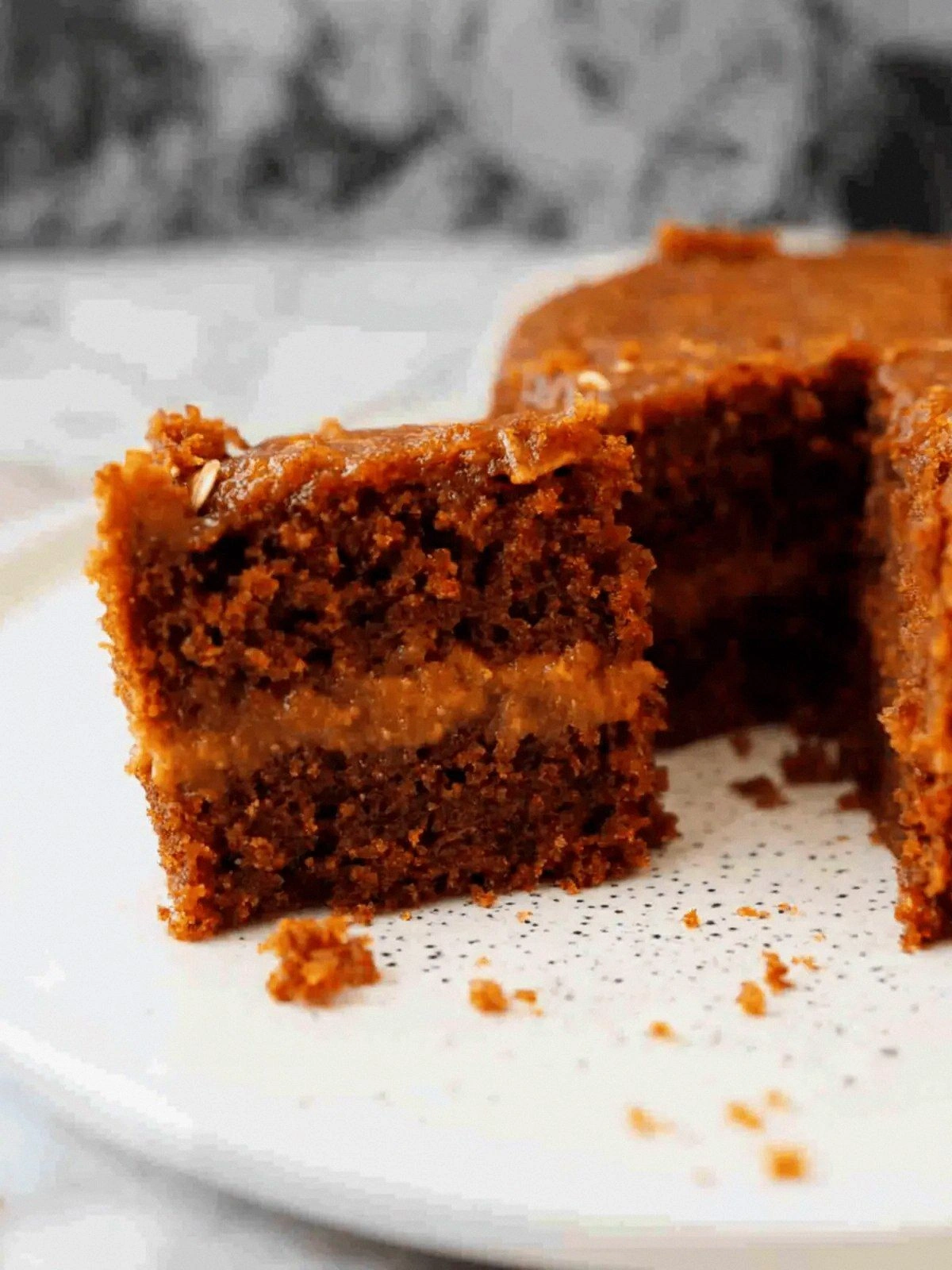
Picture this: the kitchen is humming with the whir of the mixer, the air is thick with the scent of honey and cinnamon, and the timer on the oven is ticking down to the final minutes of a golden crust. The batter itself is a glossy, amber swirl, like liquid sunrise, and as soon as you lift a slice, the steam rises in a sweet cloud that smells like a warm hug. The first bite is a burst of carrot sweetness, followed by a subtle nuttiness from the oats, and the honey’s silky finish leaves a lingering sweetness that coats your palate like velvet. The texture is a delicate balance—soft on the inside, with a slightly crisp edge that crackles like thin ice when you bite into it. Every element, from the gentle rise to the final golden top, feels like a secret handshake between you and your kitchen.
What makes this recipe stand out is that it doesn’t rely on heavy butter or sugar to mask the carrot flavor. Instead, it uses honey for natural sweetness, oats for wholesome texture, and a generous dash of cinnamon that brings the whole thing together. The batter’s consistency is achieved through a simple technique: whisking the wet ingredients separately before folding them in, which keeps the oats from clumping and ensures a silky crumb. This version is also forgiving—if you’re short on time, the batter can be poured directly into the pan and baked, skipping the pre‑mix step. And best of all, it’s a crowd‑pleaser; I’ve seen people ask for seconds before they’ve even finished the first slice.
I’ll be honest—after baking, I ate half the batch before anyone else even had a chance to try it. That’s the kind of confidence I have in this recipe. I’m not just telling you to follow a set of instructions; I’m inviting you to experience a cake that feels like a warm hug, a sweet memory, and a little bit of culinary triumph all at once. If you’ve ever struggled with carrot cake that turns out too dry or too sweet, you’re not alone—and I’ve got the fix. Picture yourself pulling this out of the oven, the whole kitchen smelling incredible, the timer beeping, and the first slice sliding out of the pan with that satisfying crack. Let me walk you through every single step—by the end, you’ll wonder how you ever made it any other way.
What Makes This Version Stand Out
- Texture: The batter is light and airy thanks to the oats, yet it holds together beautifully, giving each bite a satisfying chew that’s not too dense.
- Flavor: Honey replaces refined sugar, creating a natural sweetness that pairs perfectly with the earthy carrots and warm cinnamon.
- Health: With whole‑grain oats, minimal butter, and no artificial additives, this cake is a guilt‑free indulgence you can enjoy without the second‑guessing.
- Ease: The recipe requires no special equipment—just a bowl, a whisk, and a standard 9‑inch cake pan—and it can be whipped up in under 45 minutes.
- Versatility: It’s a base that invites endless variations—nuts, dried fruit, or a sprinkle of sea salt—so you can customize it for any occasion.
- Crowd Appeal: The caramelized edges and moist center make it a showstopper at potlucks, family gatherings, or a cozy Sunday brunch.
- Make‑Ahead Potential: The batter can be prepared ahead and refrigerated or frozen, making it a lifesaver for busy weeknights.
Alright, let’s break down exactly what goes into this masterpiece. And before we dive deeper, here’s a quick kitchen hack that will elevate the flavor profile right from the start.
Inside the Ingredient List
The Flavor Base
The honey is the heart of this cake’s sweetness, offering a complex flavor profile that sugar can’t match. It caramelizes during baking, giving the top a glossy, almost caramelized sheen that is both inviting and appetizing. Skipping honey in favor of white sugar would strip away that depth and leave the cake feeling flat. If you’re looking for a vegan alternative, maple syrup works wonderfully and adds a subtle molasses undertone.
Vanilla is the secret whisper that ties all the flavors together. A single teaspoon of pure vanilla extract infuses the batter with a warm, aromatic note that complements the carrots and cinnamon. Without it, the cake would taste a bit one‑dimensional. For a richer experience, try using vanilla bean paste or a splash of vanilla bean essence.
The Texture Crew
Oats bring a hearty, slightly nutty texture that balances the softness of the cake. They also add a subtle chew that makes each bite satisfying. If you’re allergic to oats or simply don’t have them on hand, rolled oats can be replaced with finely ground almonds or even a small amount of oat flour.
Butter, at a quarter cup, adds richness and helps the batter bind together. It also contributes to the golden, slightly crisp edges that are a signature of this cake. For a dairy‑free version, coconut oil or vegan butter works just as well and adds a subtle tropical note.
The Unexpected Star
Baking soda is a small but mighty ingredient that gives the cake a gentle lift and a tender crumb. It reacts with the acidic honey and carrots to release carbon dioxide, creating pockets of air that keep the cake from becoming dense. If you’re allergic to baking soda, you can use baking powder, though the texture may shift slightly.
The Final Flourish
Cinnamon is the aromatic hero that brings warmth and depth. A tablespoon is enough to coat the entire batter, but if you love a spicier kick, feel free to add a pinch more. Cinnamon also has natural antioxidant properties, which makes this cake not just tasty but a bit healthier too.
Everything’s prepped? Good. Let’s get into the real action. Before you do, here’s a fun fact about the humble carrot that might surprise you.
The Method — Step by Step
- Preheat your oven to 350°F (175°C) and line a 9‑inch cake pan with parchment paper. The parchment ensures a smooth release and prevents sticking. While the oven heats, gather all your ingredients; a well‑organized station speeds up the process and keeps you focused. This is the moment of truth: a calm, organized start sets the tone for a flawless bake.
- In a medium bowl, whisk together the eggs, honey, and vanilla extract until the mixture is glossy and well combined. The eggs act as a binder, while the honey provides moisture and a gentle sweetness that will caramelize. Watch the mixture; it should look like a bright amber liquid, ready to mingle with the dry ingredients.
- In a separate bowl, combine the shredded carrots, oats, baking soda, and cinnamon. The carrots add moisture and natural sweetness, while the oats give a hearty texture. Sprinkle the baking soda over the dry mix and give it a quick stir to evenly distribute the leavening agent.
- Melt the butter in a small saucepan over low heat, then let it cool to room temperature. If you’re in a hurry, you can use room‑temperature butter straight away, but a slightly melted butter will blend more smoothly into the batter. Add the butter to the wet mixture and whisk until fully incorporated.
- Gradually fold the dry carrot‑oat mixture into the wet batter, mixing just until combined. Be careful not to over‑mix; a few lumps are acceptable and will actually help keep the cake tender. This gentle folding technique preserves the airy pockets created by the eggs and baking soda.
- Pour the batter into the prepared pan, smoothing the top with a spatula. Tap the pan gently on the counter to release any large air pockets. The batter should spread evenly, creating a uniform surface that will bake to a golden finish.
- Bake for 30 minutes, or until a toothpick inserted into the center comes out clean. As the cake bakes, you’ll notice the edges lifting slightly, a sign that the batter is setting properly. Keep an eye on the top; if it starts to brown too quickly, tent it loosely with foil to prevent burning.
- Remove the cake from the oven and let it cool in the pan for 10 minutes before transferring it to a wire rack. Cooling in the pan allows the cake to set fully and prevents it from becoming soggy on the bottom. After about 10 minutes, carefully lift the cake out and let it cool completely on the rack.
- Once cooled, slice the cake into wedges and serve. The first bite should reveal a moist, caramelized center with a hint of cinnamon, followed by the subtle crunch of oats. Pair it with a cup of herbal tea or a splash of milk to balance the sweetness.
- If you’re feeling adventurous, drizzle a light glaze of honey or a dusting of powdered sugar over the top before serving. This optional finish adds a glossy sheen and a final burst of sweetness that ties everything together. Enjoy the cake with friends or keep it as a sweet, wholesome snack for the week.
That’s it— you did it. But hold on, I’ve got a few more tricks that will take this to another level and ensure every slice is a masterpiece.
Insider Tricks for Flawless Results
The Temperature Rule Nobody Follows
Many bakers bake at the highest temperature to get a quick rise, but this recipe thrives at a moderate 350°F. Baking at too high a temperature can cause the outer edges to dry out before the center is fully cooked. I’ve found that a steady, moderate heat gives the oats time to absorb moisture and the honey to caramelize evenly. If you’re using a convection oven, reduce the temperature by 25°F to avoid over‑browning.
Why Your Nose Knows Best
The aroma of baking is a powerful indicator of readiness. When you first open the oven, you should smell a sweet, nutty scent that’s almost like caramel. If the scent is too sharp or metallic, the cake might be undercooked. Trust your nose; it’s the most reliable gauge for a perfect finish.
The 5‑Minute Rest That Changes Everything
After baking, let the cake rest in the pan for exactly five minutes before transferring it to a wire rack. This short rest allows the structure to set, preventing the cake from cracking or collapsing when removed. I’ve seen cakes that were taken out too early and then sagged or broke apart. Five minutes is the sweet spot for firmness and ease of handling.
The Fold‑In Technique
When combining the wet and dry ingredients, fold gently rather than whisk vigorously. This technique preserves the air pockets created by the eggs and baking soda, ensuring a light crumb. Over‑mixing can lead to a dense, heavy cake that feels like a loaf instead of a sweet treat.
The Sweet Finish
A light drizzle of honey or a dusting of powdered sugar can elevate the cake’s presentation and flavor. If you prefer a more complex finish, try a thin glaze made from powdered sugar, honey, and a splash of vanilla. This glaze adds shine and a subtle sweetness that complements the carrot’s earthiness.
Creative Twists and Variations
This recipe is a playground. Here are some of my favorite ways to switch things up:
Nutty Oat Carrot Cake
Add a cup of chopped walnuts or pecans to the dry mix for a crunchy texture. The nuts bring a buttery depth that pairs well with the honey’s sweetness. This variation is perfect for a holiday gathering or a cozy winter snack. Serve with a dollop of Greek yogurt for an extra protein boost.
Spiced Ginger Carrot Cake
Replace the cinnamon with a teaspoon of ground ginger for a warm, spicy kick. The ginger adds a subtle heat that balances the carrot’s natural sweetness. This version is especially comforting during the cooler months. Pair it with a cup of chai for a full sensory experience.
Vegan Honey‑Oat Cake
Swap the butter for coconut oil or vegan butter, and use a plant‑based milk alternative. Keep the honey for natural sweetness, or use maple syrup if you prefer a completely vegan profile. This cake is light, moist, and free from dairy, making it a great option for those with dietary restrictions.
Chocolate‑Infused Carrot Cake
Fold in half a cup of cocoa powder into the dry mix for a chocolatey twist. The cocoa adds richness and depth, turning the cake into a decadent dessert. Pair it with a drizzle of dark chocolate glaze for an extra indulgent touch. This variation is a crowd‑pleaser at parties.
Carrot‑Oat Muffins
Divide the batter into a 12‑cup muffin tin and bake for 20 minutes at 350°F. Muffins are perfect for on‑the‑go breakfasts or snack times. They hold up well in the fridge, making them a great make‑ahead option. Add a pinch of nutmeg for an extra layer of flavor.
Storing and Bringing It Back to Life
Fridge Storage
Store the cake in an airtight container at room temperature for up to 3 days, or in the refrigerator for up to a week. The airtight container keeps the cake from drying out and preserves the moist crumb. When you’re ready to eat, let the cake sit at room temperature for about 20 minutes to soften slightly.
Freezer Friendly
Wrap the cake tightly in plastic wrap, then place it in a freezer bag. It will keep well for up to 3 months. When you’re ready to enjoy, let the cake thaw overnight in the fridge and then warm it in a low‑temperature oven for 10 minutes. This method restores the cake’s fresh, warm texture.
Best Reheating Method
To reheat, preheat your oven to 300°F (150°C) and place the cake on a parchment‑lined sheet. Warm for 8–10 minutes, or until the cake feels warm to the touch. Add a tiny splash of water before reheating; it steams back to perfection, keeping the cake moist and preventing it from drying out.