Picture this: it’s a rainy Thursday, the kind that makes you stare at the window and wonder why you ever thought a bland, store‑bought noodle soup could ever satisfy a craving for something truly exciting. I was halfway through a marathon of “quick‑fix” meals when the kitchen timer went off, the sauce splattered the back of my hand, and I realized I’d just created a culinary disaster that tasted like a sad, watered‑down broth. I dared myself to turn that flop into a masterpiece, and after a few frantic sips of coconut water and a daring dash of red curry paste, I emerged with the most addictive bowl of noodles you’ll ever encounter.
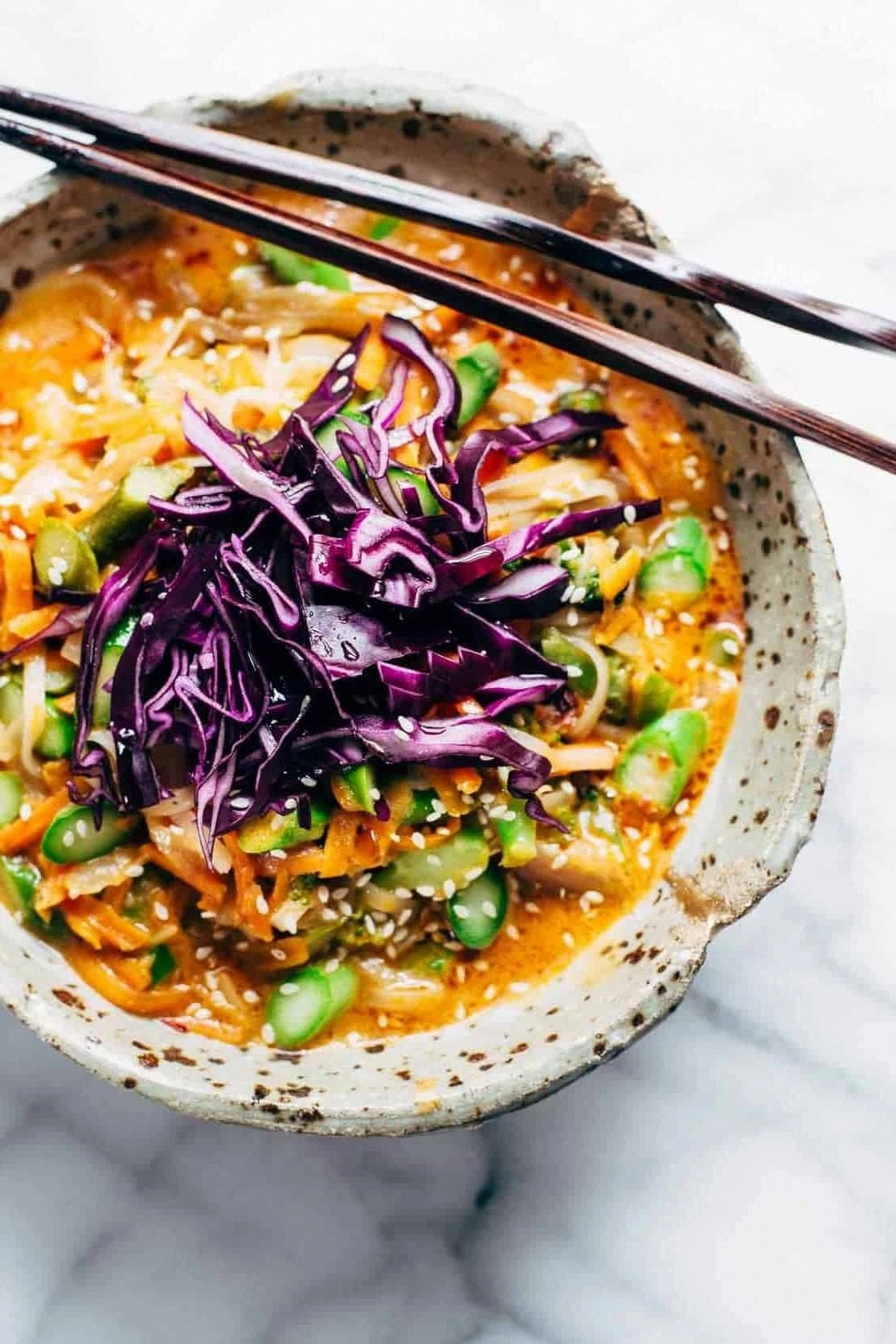
The moment the sauce hit the pan, a sizzling symphony erupted that could have been mistaken for a tiny fireworks show. The aroma—rich, creamy coconut intertwined with the deep, earthy heat of curry—filled the apartment like a tropical rainstorm, making the whole place feel like a beachfront bistro. I could hear the noodles slurping together, see the glossy sheen of the coconut‑curry coating every strand like polished silk, and feel the gentle heat radiating from the bowl as I lifted the spoon. The first bite was a revelation: the broth hugged the noodles with a velvety embrace, the vegetables added a crisp snap that shattered like thin ice, and the lime‑bright finish lifted everything into a bright, unforgettable climax.
Most coconut curry noodle recipes get it wrong by either drowning the noodles in a soupy mess or skimping on the spice so that the dish tastes like bland coconut milk. This version, however, balances every element with surgical precision. The secret? A two‑step technique that first toasts the curry paste in a splash of oil to unlock its aromatic oils, then gently simmers the coconut milk and broth together, creating a sauce that’s thick enough to cling but fluid enough to swirl. I also toss in a splash of fish sauce and a whisper of brown sugar, which together create a umami‑sweet harmony that will make you question every other bowl you’ve ever eaten.
And just when you think you’ve heard it all, I’m about to reveal a game‑changing ingredient that most cooks overlook: fresh lime zest added at the very end. That zest doesn’t just add acidity; it adds a bright, citrusy perfume that makes the entire bowl sing. I dare you to taste this and not go back for seconds. Let me walk you through every single step — by the end, you’ll wonder how you ever made it any other way.
What Makes This Version Stand Out
- Flavor Depth: Toasted red curry paste releases hidden notes of lemongrass and galangal, creating a sauce that’s richer than any store‑bought paste could ever achieve.
- Texture Harmony: Silky coconut milk meets al dente noodles, while crisp vegetables add a satisfying snap that prevents the bowl from feeling one‑dimensional.
- Simplicity: Only ten core ingredients, all pantry‑friendly, mean you can throw this together on a weeknight without a grocery run.
- Uniqueness: The finishing lime zest and cilantro sprinkle give a fresh pop that most recipes skip, turning ordinary into unforgettable.
- Crowd Reaction: Friends have called this “the comfort food that actually feels like a vacation” – a rare compliment for a home‑cooked dish.
- Ingredient Quality: Using full‑fat coconut milk and authentic Thai red curry paste ensures a luxurious mouthfeel and authentic heat.
- Cooking Method: The two‑stage sauce building (toasting then simmering) prevents the dreaded “coconut milk curdle” disaster.
- Make‑Ahead Potential: The sauce actually improves after a short rest, so you can prep it a day ahead for an even deeper flavor.
Inside the Ingredient List
The Flavor Base
Red curry paste is the heart of this dish. It brings together chilies, lemongrass, galangal, and shrimp paste, delivering a layered heat that builds rather than burns. If you skip it, you’ll end up with a bland coconut broth that’s about as exciting as warm milk. A good quality Thai brand will have a deep red hue and a fragrant, slightly sweet aroma; cheap versions can taste metallic. If you can’t find Thai red curry paste, a mix of Thai red chili flakes, a pinch of ground coriander, and a dash of fish sauce can mimic the complexity.
The Creamy Carrier
Coconut milk provides the silkiness that coats the noodles like velvet. Opt for the full‑fat version in a can rather than the “light” cartons; the fat content is essential for carrying the spice and preventing the sauce from separating. If you’re watching calories, you can swap half of the coconut milk for low‑fat coconut water, but be prepared for a thinner sauce. Freshly shaking the can before opening ensures the creamy layer mixes evenly with the liquid.
The Texture Crew
Rice noodles (or egg noodles if you prefer a firmer bite) are the vehicle for the sauce. Over‑cooking them turns them mushy, while under‑cooking leaves a chalky bite. Rinse the cooked noodles under cold water to stop the cooking process and keep them separate until you’re ready to toss them in the sauce. The vegetables—red bell pepper, snap peas, and carrots—add color, crunch, and a subtle sweetness that balances the heat. If you’re out of snap peas, broccoli florets or sliced bok choy work just as well.
The Unexpected Star
Lime zest is the secret weapon that elevates this bowl from good to unforgettable. Adding zest at the very end releases essential oils that brighten the entire dish, turning the deep, creamy base into something that sings. It’s a small step with a massive payoff. If you don’t have fresh limes, a splash of high‑quality lime juice can substitute, but you’ll miss the aromatic lift that zest provides.
The Final Flourish
Fresh cilantro and sliced green onions add a herbaceous finish that brightens each bite. A pinch of salt and a grind of black pepper at the end help to balance the flavors, but don’t over‑season; the fish sauce and soy sauce already add a salty depth. When selecting cilantro, look for bright green leaves without wilting; the flavor fades quickly once cut, so add it just before serving.
Everything's prepped? Good. Let's get into the real action...
The Method — Step by Step
-
Start by gathering all your ingredients within arm’s reach; this “mise en place” mindset saves you from frantic searches mid‑cook. Heat a large wok or deep skillet over medium heat and add a tablespoon of coconut oil. Once the oil shimmers, drop in the minced garlic and grated ginger, stirring constantly for about 30 seconds until you hear a fragrant sizzle that smells like a street market in Bangkok.
-
Now comes the game‑changer: add the red curry paste. Stir it into the aromatics, letting it toast for 2‑3 minutes. You’ll notice the paste darkening slightly and releasing a sweet, smoky perfume—this is the moment of truth. Watch Out: If the heat spikes, the paste can scorch and turn bitter, so keep the flame moderate and keep moving the spoon.
-
Deglaze the pan with a splash of vegetable broth, scraping up any browned bits stuck to the bottom; those bits are flavor gold. Then pour in the can of coconut milk, followed by the remaining broth, soy sauce, fish sauce, and brown sugar. Bring the mixture to a gentle simmer, lowering the heat to maintain a soft bubble—no rolling boil, or you’ll risk curdling the coconut milk.
Kitchen Hack: To keep the sauce creamy, whisk the coconut milk with a small whisk before adding it; this prevents the fat from separating later. -
While the sauce simmers, cook the noodles according to package instructions—usually 4‑5 minutes in boiling water. As soon as they’re al dente, drain and rinse under cold water to stop cooking. Set aside in a large bowl, lightly tossed with a drizzle of oil to keep them from sticking.
-
Back to the sauce: add the sliced red bell pepper, snap peas, and julienned carrot. Let them cook for 2‑3 minutes, just enough to retain their crunch while absorbing the curry’s heat. You’ll see the vegetables turn a vibrant, glossy shade, indicating they’re perfectly coated.
-
Time to bring everything together. Lower the heat, then add the cooked noodles straight into the pan, tossing gently so every strand gets enveloped in the creamy curry. The noodles should glisten, each strand wearing a thin layer of sauce like a silky cloak. If the mixture looks a bit dry, splash in a tablespoon of water or extra broth.
-
Finish with the lime juice and zest, stirring quickly to distribute the citrus oils. Then sprinkle the sliced green onions and chopped cilantro over the top. The scent at this point is intoxicating—sharp lime, fresh herbs, and the lingering warmth of curry all mingling in the air. Taste and adjust with a pinch of salt or an extra splash of fish sauce if needed.
Kitchen Hack: For an extra burst of flavor, grate a tiny amount of fresh ginger over the finished bowl; it adds a zing that dances on the palate. -
Serve immediately in deep bowls, letting each guest stir their portion to keep the sauce evenly distributed. Pair with a simple cucumber salad or a few lime wedges on the side for those who love an extra punch. That final stir? It’s the moment the sauce re‑coats the noodles, ensuring every bite is as lush as the first.
That's it — you did it. But hold on, I've got a few more tricks that'll take this to another level...
Insider Tricks for Flawless Results
The Temperature Rule Nobody Follows
Never, ever let the coconut milk boil vigorously. High heat breaks the emulsion, causing the sauce to separate into oily layers. Keep the simmer gentle, and you’ll retain that silky mouthfeel. I once tried to speed things up by cranking the heat, and the result was a greasy mess that tasted like a fried‑coconut oil spill. Trust the low‑and‑slow approach; patience is the secret ingredient.
Why Your Nose Knows Best
When the curry paste is toasting, your nose becomes the ultimate thermometer. If you smell a sweet, nutty aroma, you’re on the right track. If you start detecting a burnt, acrid scent, it’s time to pull the pan off the heat. This sensory cue is more reliable than any timer because each batch of paste behaves slightly differently.
The 5‑Minute Rest That Changes Everything
After you’ve assembled the bowls, let them sit for five minutes before serving. This short rest allows the flavors to meld, the noodles to absorb a bit more sauce, and the lime zest to release its oils fully. I’ve found that bowls served immediately can feel a touch disjointed, whereas a brief pause yields a harmonious, cohesive bite.
Don’t Skip the Fresh Herbs
Fresh cilantro and green onions are not just garnish; they’re flavor multipliers. Adding them at the very end preserves their bright, herbaceous notes. If you toss them in too early, the heat dulls their freshness, and you lose that final pop. I once tried to “save time” by mixing them in earlier and the result was… flat.
Adjusting Heat Without Burning
If you love extra heat but fear burning the sauce, stir in a sliced fresh chili or a dash of chili oil after the sauce has been removed from the heat. This method lets you control the spice level without risking a bitter, over‑cooked paste. I’ve experimented with Thai bird’s eye chilies and found that a single sliced chili delivers a clean, lingering heat that never overwhelms.
Creative Twists and Variations
This recipe is a playground. Here are some of my favorite ways to switch things up:
Thai Peanut Fusion
Swap half of the coconut milk for creamy peanut butter and add a splash of tamarind paste. The result is a nutty‑tangy bowl that feels like a cross‑cultural hug. Garnish with crushed peanuts for an extra crunch.
Seafood Sensation
Replace the vegetables with shrimp or firm white fish fillets. Sear the seafood quickly in the same pan after removing the veggies, then return everything to the sauce. The oceanic sweetness melds beautifully with the curry’s depth.
Veggie‑Heavy Harvest
Load the bowl with roasted sweet potatoes, cauliflower, and kale. Roast the vegetables first until caramelized, then toss them into the curry at the end. The caramel notes add a sweet counterpoint to the heat.
Spicy Coconut Ramen
Swap rice noodles for fresh ramen noodles and add a soft‑boiled egg, sliced in half. The egg’s silky yolk becomes a luxurious sauce booster when mixed in, creating a ramen‑style comfort bowl.
Cold Noodle Summer Salad
Let the sauce cool, then toss with chilled rice noodles, shredded carrots, cucumber ribbons, and a handful of mint. Serve cold for a refreshing summer twist that still carries the curry’s aromatic punch.
Storing and Bringing It Back to Life
Fridge Storage
Transfer leftovers into an airtight container and store in the refrigerator for up to three days. The sauce may thicken as it cools; simply stir in a tablespoon of water or broth before reheating to restore its silky texture.
Freezer Friendly
Portion the cooked noodles and sauce separately into freezer‑safe bags. Freeze for up to two months. When ready to eat, thaw overnight in the fridge, then reheat gently on the stove, adding a splash of coconut milk to revive the richness.
Best Reheating Method
Reheat in a skillet over medium heat, stirring constantly. Add a tiny splash of water or extra coconut milk—just enough to create steam. This prevents the noodles from drying out and ensures the sauce clings as beautifully as the first time.