
Carnitas
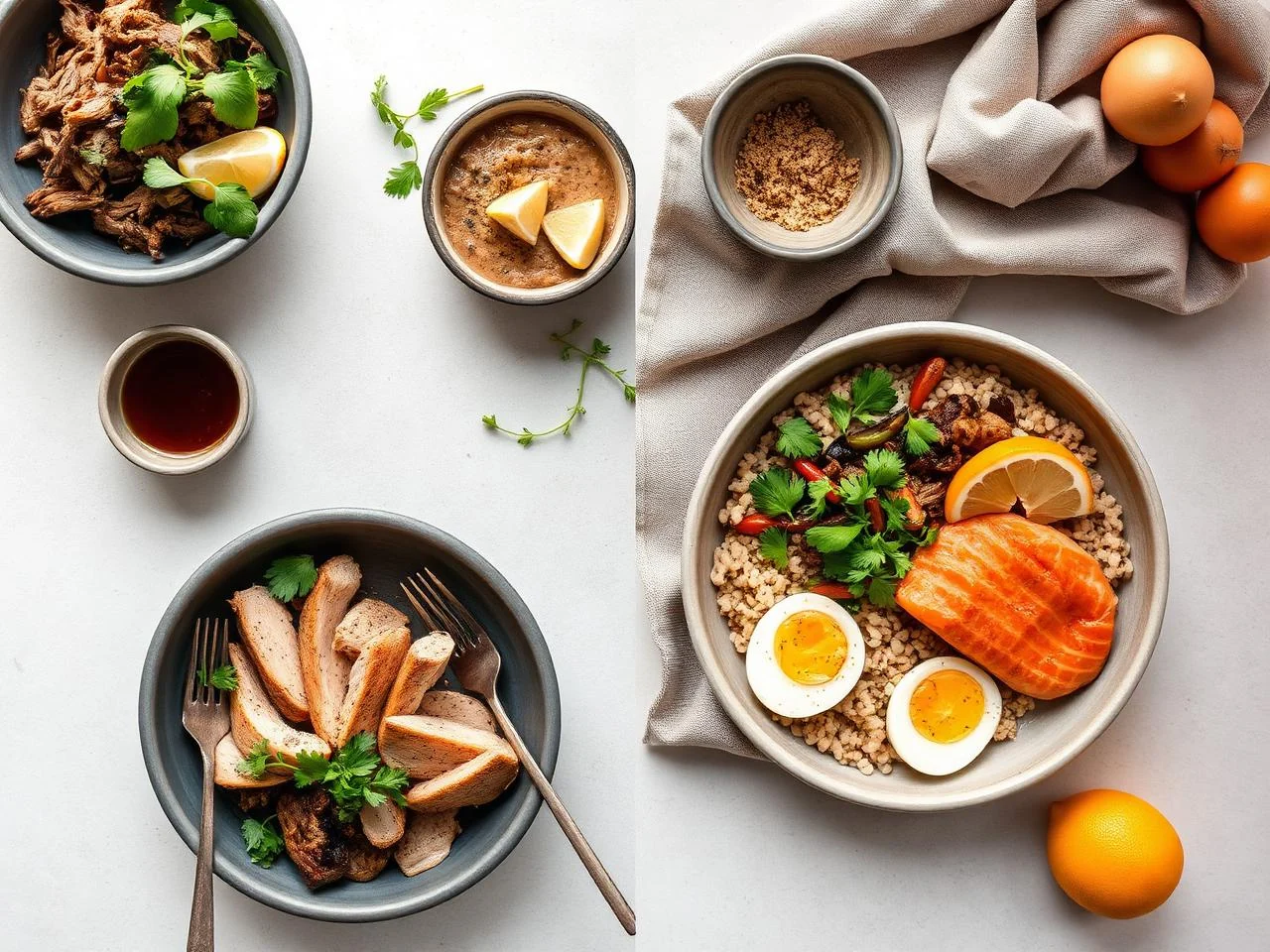
Carnitas, which translates to 'little meats' in Spanish, is a traditional Mexican dish that consists of slow-cooked pork that's tender, juicy, and full of flavor. I first fell in love with carnitas at a small Mexican restaurant in my hometown, where the chef would slow-cook the pork in large vats of lard, resulting in a dish that was both comforting and exciting. Over the years, I've experimented with different recipes and techniques to create my own version of carnitas that's both authentic and easy to make at home.
One of the things that sets my carnitas recipe apart is the use of a dry brine, which helps to enhance the flavor and texture of the pork. By rubbing the pork with a mixture of salt, spices, and herbs, I'm able to create a crust on the outside that's crispy and flavorful, while the inside remains tender and juicy. I also use a combination of pork shoulder and pork belly, which provides a nice balance of lean and fatty meat.
Another key component of my carnitas recipe is the use of a slow-cooking method, which helps to break down the connective tissues in the meat and create a tender, fall-apart texture. By cooking the pork in a mixture of lard and orange juice, I'm able to create a rich, velvety sauce that's infused with the flavors of the pork and the spices. The result is a dish that's both comforting and exciting, with a depth of flavor that's hard to resist.
Whether you're a fan of traditional Mexican cuisine or just looking for a new recipe to try, I think you'll love my carnitas recipe. It's perfect for tacos, salads, or sandwiches, and can be made ahead of time and reheated as needed. So go ahead, give it a try, and experience the rich, comforting flavors of Mexico in the comfort of your own home.
In this recipe, I'll walk you through the steps to make delicious carnitas, from preparing the pork to cooking it to perfection. I'll also provide tips and variations to help you customize the recipe to your taste. So let's get started and dive into the world of carnitas!
Why You’ll Love This Recipe
- Carnitas is a delicious and versatile dish that can be used in a variety of recipes, from tacos and salads to sandwiches and soups.
- The slow-cooking method used in this recipe helps to break down the connective tissues in the meat, making it tender and juicy.
- The dry brine used in this recipe helps to enhance the flavor and texture of the pork, creating a crust on the outside that's crispy and flavorful.
- This recipe is perfect for making ahead of time and reheating as needed, making it a great option for busy weeknights or special occasions.
- The combination of pork shoulder and pork belly provides a nice balance of lean and fatty meat, making it a satisfying and filling dish.
- The use of lard and orange juice in this recipe helps to create a rich, velvety sauce that's infused with the flavors of the pork and the spices.
- This recipe is also relatively inexpensive, making it a great option for those on a budget.
Why This Recipe Works
The key to making great carnitas is to cook the pork slowly, over low heat, until it's tender and juicy. This can be achieved by using a combination of lard and orange juice, which helps to break down the connective tissues in the meat and create a rich, velvety sauce. The dry brine also plays a crucial role, as it helps to enhance the flavor and texture of the pork by creating a crust on the outside that's crispy and flavorful.
Another important factor is the use of the right type of pork. I recommend using a combination of pork shoulder and pork belly, which provides a nice balance of lean and fatty meat. This helps to create a dish that's both tender and flavorful, with a nice balance of textures.
Finally, it's also important to not overcook the pork. By cooking it until it reaches an internal temperature of 190°F (88°C), you can ensure that it's tender and juicy, without becoming dry or overcooked. This is especially important when making carnitas, as the pork can quickly become tough and dry if it's overcooked.
Overall, the combination of slow-cooking, dry brining, and using the right type of pork all come together to create a dish that's both delicious and authentic. Whether you're a fan of traditional Mexican cuisine or just looking for a new recipe to try, I think you'll love my carnitas recipe.
Ingredients You’ll Need
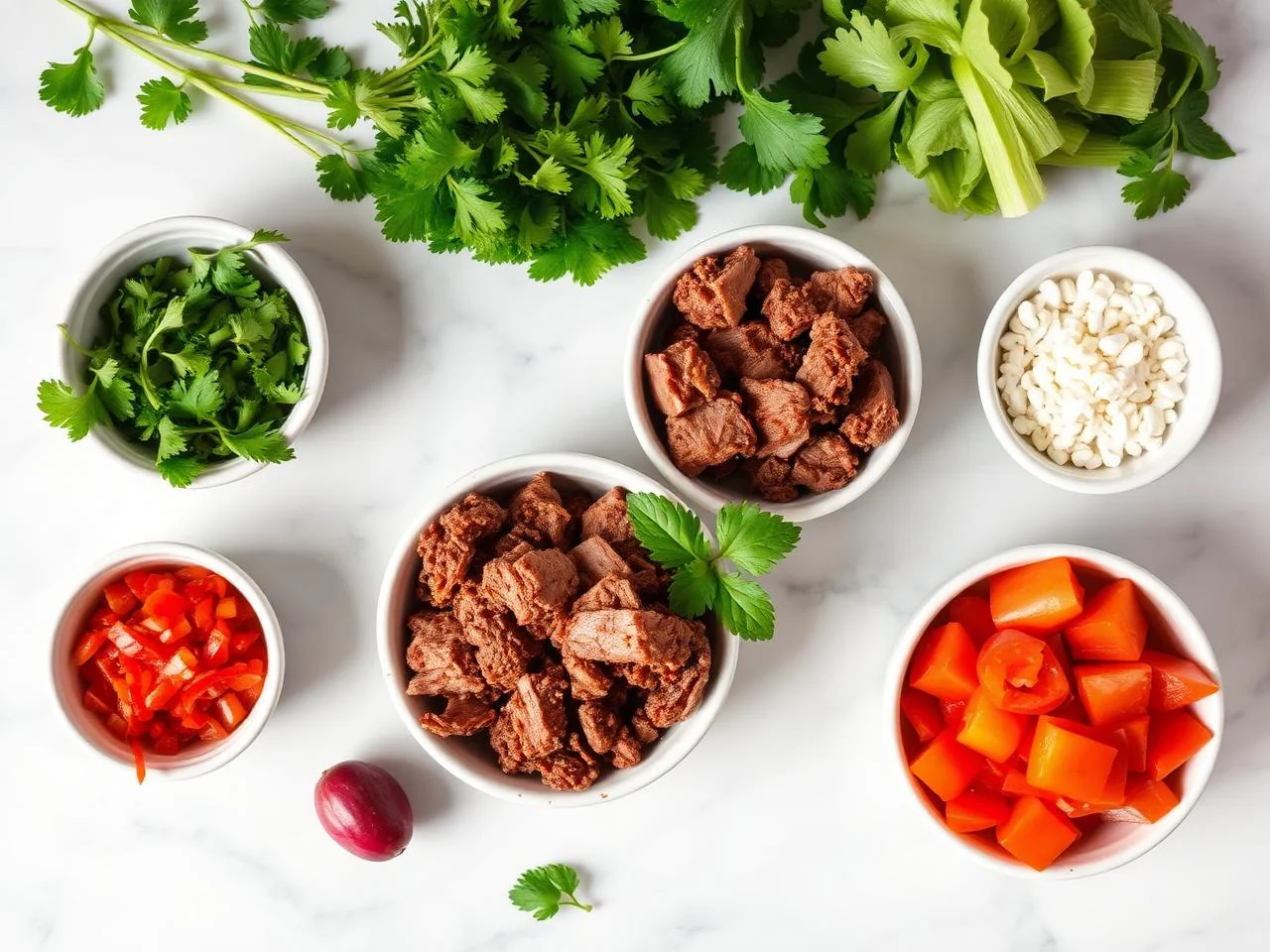
To make delicious carnitas, you'll need a few key ingredients, including pork shoulder, pork belly, lard, orange juice, and spices. You'll also need some aromatics, such as onions and garlic, to add depth and flavor to the dish. In this recipe, I'll walk you through the steps to prepare and cook the pork, as well as provide tips and variations to help you customize the recipe to your taste.
When shopping for the ingredients, be sure to look for high-quality pork that's fresh and has a good balance of lean and fatty meat. You can also use pork shoulder or pork belly alone, but I find that the combination of both provides the best results. Additionally, be sure to use high-quality spices and aromatics, as they will make a big difference in the flavor of the dish.
- 2 lbs (900g) pork shoulder, cut into large chunksPork shoulder is a great cut of meat for carnitas, as it's tender and has a good balance of lean and fatty meat. Look for a cut that's fresh and has a good marbling of fat, as this will help to keep the meat moist and flavorful.
- 1 lb (450g) pork belly, cut into large chunksPork belly is a fatty cut of meat that's perfect for adding richness and flavor to the carnitas. Look for a cut that's fresh and has a good balance of lean and fatty meat, as this will help to create a dish that's both tender and flavorful.
- 1/4 cup (60g) lardLard is a key ingredient in traditional carnitas, as it helps to create a rich, velvety sauce that's infused with the flavors of the pork and the spices. Look for high-quality lard that's fresh and has a good flavor, as this will make a big difference in the dish.
- 1/2 cup (120ml) orange juiceOrange juice is a great addition to the carnitas, as it helps to add moisture and flavor to the dish. Look for high-quality orange juice that's fresh and has a good flavor, as this will make a big difference in the dish.
- 2 tbsp (30g) kosher saltKosher salt is a great seasoning for the carnitas, as it helps to bring out the flavors of the pork and the spices. Look for high-quality kosher salt that's fresh and has a good flavor, as this will make a big difference in the dish.
- 1 tsp (5g) black pepperBlack pepper is a great addition to the carnitas, as it helps to add depth and flavor to the dish. Look for high-quality black pepper that's fresh and has a good flavor, as this will make a big difference in the dish.
- 1 tsp (5g) dried oreganoDried oregano is a great herb to add to the carnitas, as it helps to add depth and flavor to the dish. Look for high-quality dried oregano that's fresh and has a good flavor, as this will make a big difference in the dish.
- 1 tsp (5g) ground cuminGround cumin is a great spice to add to the carnitas, as it helps to add warmth and flavor to the dish. Look for high-quality ground cumin that's fresh and has a good flavor, as this will make a big difference in the dish.
- 2 cloves garlic, mincedGarlic is a great addition to the carnitas, as it helps to add depth and flavor to the dish. Look for high-quality garlic that's fresh and has a good flavor, as this will make a big difference in the dish.
- 1 large onion, choppedOnion is a great addition to the carnitas, as it helps to add depth and flavor to the dish. Look for high-quality onion that's fresh and has a good flavor, as this will make a big difference in the dish.
- 2 tbsp (30g) chopped fresh cilantroCilantro is a great herb to add to the carnitas, as it helps to add freshness and flavor to the dish. Look for high-quality cilantro that's fresh and has a good flavor, as this will make a big difference in the dish.
- Salt and pepper to tasteSalt and pepper are great seasonings to add to the carnitas, as they help to bring out the flavors of the pork and the spices. Look for high-quality salt and pepper that's fresh and has a good flavor, as this will make a big difference in the dish.
Equipment You’ll Need
How to Make Carnitas
- 1In a large bowl, combine the pork shoulder, pork belly, kosher salt, black pepper, dried oregano, and ground cumin. Mix well to combine, making sure that the pork is evenly coated with the spices.
- 2Cover the bowl with plastic wrap and refrigerate for at least 2 hours or overnight, allowing the pork to marinate in the spices.
- 3Heat the lard in a large Dutch oven or heavy pot over medium heat until it reaches 300°F (150°C).
- 4Add the pork to the pot and cook until it's browned on all sides, about 5-7 minutes per side.
- 5Add the onion and garlic to the pot and cook until they're softened and fragrant, about 5 minutes.
- 6Add the orange juice to the pot and bring to a boil. Cover the pot with a lid and transfer it to the oven.
- 7Bake the carnitas in a preheated oven at 300°F (150°C) for 2-3 hours, or until the pork is tender and easily shreds with a fork.
- 8Remove the pot from the oven and let it cool slightly. Use two forks to shred the pork into bite-sized pieces.
- 9Add the chopped cilantro to the pot and stir to combine. Season the carnitas with salt and pepper to taste.
- 10Serve the carnitas hot, garnished with additional cilantro if desired. You can also serve it with your favorite toppings, such as diced onions, sour cream, and salsa.
- 11Let the carnitas rest for 10-15 minutes before serving, allowing the juices to redistribute and the flavors to meld together.
Expert Tips
- Use high-quality pork that's fresh and has a good balance of lean and fatty meat.
- Don't overcook the pork, as it can become dry and tough.
- Use a thermometer to ensure that the pork is cooked to a safe internal temperature of 190°F (88°C).
- Let the carnitas rest for 10-15 minutes before serving, allowing the juices to redistribute and the flavors to meld together.
- Experiment with different spices and seasonings to add unique flavors to the carnitas.
- Serve the carnitas with your favorite toppings, such as diced onions, sour cream, and salsa.
- Consider making the carnitas ahead of time and reheating it as needed, as it's a great dish to make in bulk.
Common Mistakes to Avoid
- Overcooking the pork, which can make it dry and tough.
- Not using high-quality pork, which can result in a less flavorful dish.
- Not letting the carnitas rest before serving, which can result in a less tender and juicy dish.
- Not using enough spices and seasonings, which can result in a bland dish.
- Not cooking the pork to a safe internal temperature, which can result in foodborne illness.
- Not using a thermometer to check the internal temperature of the pork.
Variations and Substitutions
- Adding diced bell peppers or other vegetables to the pot for added flavor and nutrition.
- Using different types of pork, such as pork loin or pork tenderloin, for a leaner and more tender dish.
- Adding a splash of vinegar or citrus juice to the pot for a brighter and more refreshing flavor.
- Using different spices and seasonings, such as cumin or chili powder, to add unique flavors to the dish.
- Serving the carnitas with different toppings, such as diced avocado or sour cream, for added creaminess and flavor.
- Making the carnitas in a slow cooker or Instant Pot for a hands-off and convenient cooking method.
- Adding some heat to the dish by incorporating diced jalapenos or serrano peppers.
What to Serve With Carnitas
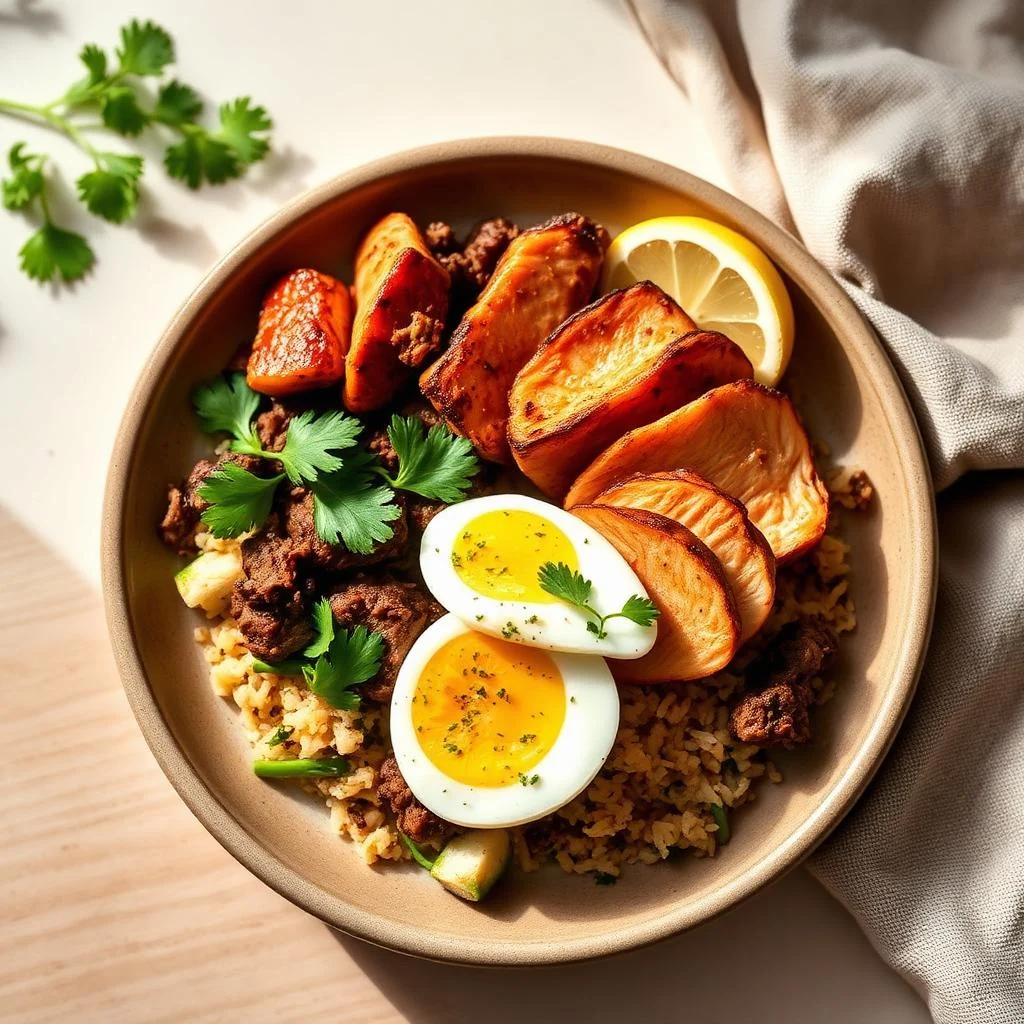
Carnitas is a versatile dish that can be served in a variety of ways. You can serve it in tacos, with your favorite toppings such as diced onions, sour cream, and salsa. You can also serve it as a main dish, with sides such as rice, beans, and roasted vegetables. Additionally, you can use the carnitas as a filling for sandwiches, salads, or wraps.
Some other ideas for serving carnitas include serving it with grilled or roasted vegetables, such as bell peppers or zucchini, or serving it with a side of warm tortillas or crispy tortilla chips. You can also serve it with a dollop of sour cream or a sprinkle of queso fresco for added creaminess and flavor.
Make-Ahead, Storage, Freezing and Reheating
Carnitas can be stored in the refrigerator for up to 3 days or frozen for up to 2 months. To store, let the carnitas cool completely, then transfer it to an airtight container and refrigerate or freeze.
To reheat, simply microwave the carnitas until it's hot and steaming, or reheat it in a skillet over medium heat until it's crispy and golden brown. You can also reheat it in the oven, covered with foil, at 300°F (150°C) for about 20-25 minutes, or until it's hot and steaming.
It's also a good idea to portion out the carnitas into individual servings before storing it, as this will make it easier to reheat and serve. You can also add some liquid, such as broth or water, to the container before refrigerating or freezing, as this will help to keep the carnitas moist and flavorful.
Additionally, you can also make the carnitas ahead of time and reheat it as needed, making it a great dish to make in bulk. Simply cook the carnitas, let it cool, then refrigerate or freeze it until you're ready to serve. This is especially convenient for large gatherings or events, as you can make the carnitas ahead of time and reheat it as needed.
Frequently Asked Questions
What is carnitas?
Carnitas is a traditional Mexican dish made from slow-cooked pork that's tender, juicy, and full of flavor. It's often served in tacos, salads, or as a main dish, and is a popular ingredient in many Mexican recipes.
How do I cook carnitas?
To cook carnitas, you'll need to slow-cook the pork in a mixture of lard and spices until it's tender and easily shreds with a fork. You can cook it in a Dutch oven or heavy pot on the stovetop or in the oven, or use a slow cooker or Instant Pot for a hands-off cooking method.
What type of pork is best for carnitas?
The best type of pork for carnitas is pork shoulder or pork belly, as they have a good balance of lean and fatty meat. You can also use other types of pork, such as pork loin or pork tenderloin, but they may not be as tender and flavorful.
Can I make carnitas ahead of time?
Yes, you can make carnitas ahead of time and reheat it as needed. Simply cook the carnitas, let it cool, then refrigerate or freeze it until you're ready to serve. This is especially convenient for large gatherings or events, as you can make the carnitas ahead of time and reheat it as needed.
How do I reheat carnitas?
To reheat carnitas, simply microwave it until it's hot and steaming, or reheat it in a skillet over medium heat until it's crispy and golden brown. You can also reheat it in the oven, covered with foil, at 300°F (150°C) for about 20-25 minutes, or until it's hot and steaming.
Can I freeze carnitas?
Yes, you can freeze carnitas for up to 2 months. Simply cook the carnitas, let it cool, then transfer it to an airtight container or freezer bag and freeze. To reheat, simply thaw the carnitas overnight in the refrigerator, then reheat it as needed.
What are some common mistakes to avoid when making carnitas?
Some common mistakes to avoid when making carnitas include overcooking the pork, not using high-quality pork, and not letting the carnitas rest before serving. You should also make sure to cook the pork to a safe internal temperature and use a thermometer to check the temperature.
Can I use different types of meat for carnitas?
While traditional carnitas is made with pork, you can also use other types of meat, such as beef or chicken, to make a similar dish. However, keep in mind that the flavor and texture may be different, and you may need to adjust the cooking time and method accordingly.
Ingredients
- 2 lbs (900g) pork shoulder, cut into large chunks
- 1 lb (450g) pork belly, cut into large chunks
- 1/4 cup (60g) lard
- 1/2 cup (120ml) orange juice
- 2 tbsp (30g) kosher salt
- 1 tsp (5g) black pepper
- 1 tsp (5g) dried oregano
- 1 tsp (5g) ground cumin
- 2 cloves garlic, minced
- 1 large onion, chopped
- 2 tbsp (30g) chopped fresh cilantro
- Salt and pepper to taste
Instructions
- In a large bowl, combine the pork shoulder, pork belly, kosher salt, black pepper, dried oregano, and ground cumin. Mix well to combine, making sure that the pork is evenly coated with the spices.
- Cover the bowl with plastic wrap and refrigerate for at least 2 hours or overnight, allowing the pork to marinate in the spices.
- Heat the lard in a large Dutch oven or heavy pot over medium heat until it reaches 300°F (150°C).
- Add the pork to the pot and cook until it's browned on all sides, about 5-7 minutes per side.
- Add the onion and garlic to the pot and cook until they're softened and fragrant, about 5 minutes.
- Add the orange juice to the pot and bring to a boil. Cover the pot with a lid and transfer it to the oven.
- Bake the carnitas in a preheated oven at 300°F (150°C) for 2-3 hours, or until the pork is tender and easily shreds with a fork.
- Remove the pot from the oven and let it cool slightly. Use two forks to shred the pork into bite-sized pieces.
- Add the chopped cilantro to the pot and stir to combine. Season the carnitas with salt and pepper to taste.
- Serve the carnitas hot, garnished with additional cilantro if desired. You can also serve it with your favorite toppings, such as diced onions, sour cream, and salsa.
- Let the carnitas rest for 10-15 minutes before serving, allowing the juices to redistribute and the flavors to meld together.